Diplomatic Framework Emerges as Signing Deadline Approaches
On June 14, 2026, the international community is monitoring developments following President Donald Trump’s announcement that a formal agreement between the United States and Iran is scheduled for signature. The announcement, made via Truth Social late on June 13, suggests a potential breakthrough in negotiations that have sought to address nuclear enrichment, regional hostilities, and the status of the Strait of Hormuz. While the President has characterized the upcoming event as a "war-ending peace deal," diplomatic sources and recent reporting from Axios indicate the document is a 60-day memorandum of understanding (MOU) intended to stabilize the region rather than a final comprehensive settlement.
The reported framework comes at a moment of heightened anticipation. On June 12, Iranian Foreign Minister Abbas Araghchi stated that a memorandum of understanding has "never been closer," a rare public admission from Tehran that aligns with the White House’s optimistic timeline. The current diplomatic push seeks to move past the legacy of the "Twelve-Day War" of June 2025, which saw large-scale military actions attributed to Israel targeting Iranian military leadership and nuclear facilities, followed by U.S. strikes on Iranian nuclear infrastructure at Fordow and Natanz. Despite that period of intense escalation, negotiators have maintained a channel for de-escalation leading into the current June 14 deadline.
Core Components of the Proposed Agreement
The emerging agreement rests on several pillars designed to provide immediate relief to global energy markets and reduce the risk of direct military confrontation. Central to the discussions is the reopening of the Strait of Hormuz, a vital maritime corridor for global oil supplies. President Trump’s announcement specifically noted that the Strait would be open to all commercial shipping immediately following the signing. The framework also includes an extension of the current ceasefire and a structured path for follow-on nuclear negotiations.
According to briefings from U.S. officials and regional mediators, the primary objectives of the June 14 framework include:
- Ceasefire Extension: A formal 60-day period to halt active hostilities and allow for high-level diplomatic engagement.
- Maritime Security: Guarantees for the unhindered passage of commercial shipping through the Strait of Hormuz.
- Nuclear Restrictions: Preliminary agreements regarding the disposal of highly enriched uranium, though long-term enrichment rights remain a point of contention.
- Sanctions Relief: A mechanism for humanitarian goods, the easing of the U.S. blockade on Iranian ports, and the potential unfreezing of specific Iranian assets.
Comparative Analysis of Negotiating Positions
While both Washington and Tehran have expressed a desire to finalize the framework, significant gaps remain regarding the sequence of implementation. The following table outlines the current reported positions of the United States and the Islamic Republic of Iran as of June 14, 2026.
| Issue | U.S. Position | Iranian Position |
|---|---|---|
| Nuclear Enrichment | Prohibition of all enrichment on Iranian soil or transition to a regional consortium model. | Nuclear terms must be deferred to a later stage; immediate focus on security. |
| Financial Assets | No immediate exchange of funds; relief tied to verified nuclear dismantling. | Immediate unfreezing of assets and removal of banking sanctions. |
| Regional Security | Focus on the Strait of Hormuz and cessation of proxy activity. | Inclusion of a ceasefire in Lebanon and cessation of Israeli strikes. |
| Duration | A 60-day memorandum to test compliance. | A permanent lifting of "maximum pressure" sanctions. |
The Trump Administration's Diplomatic Strategy
President Trump has framed the potential agreement as a centerpiece of his administration’s "deal-making" approach to foreign policy. The timing of the announcement coincides with the President’s 80th birthday on June 14, 2026, a milestone that has been integrated into the administration's public messaging. Critics and supporters alike have noted the President's personal involvement in the negotiations, including his direct communication via social media regarding the time and place of the signing, which is expected to occur at a venue in Europe.
However, the administration’s internal reporting suggests that while the framework is ready, the President had not provided a final, formal endorsement as of the morning of June 13. The Axios report highlights a cautious approach within the State Department, where officials are wary of the "volatile" nature of the terms. The cancellation of at least one planned military strike following the approval of the framework by Iranian leadership suggests that a "de facto" ceasefire is already being observed by both parties to protect the diplomatic process.
Regional Mediation and Domestic Pressure
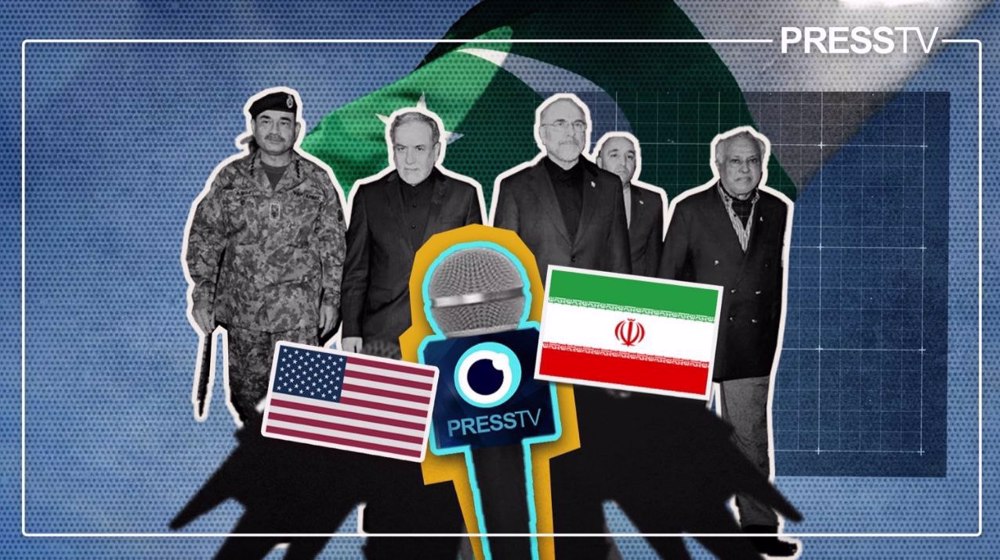
The path to the June 14 signing has been facilitated by significant involvement from regional mediators. Pakistan Prime Minister Shehbaz Sharif confirmed on June 13 that Pakistan has been instrumental in mediating the initial peace deal. These mediators have worked to decouple immediate ceasefire requirements from the more complex long-term nuclear "grand bargain."
The Iranian foreign ministry's willingness to proceed suggests that domestic pressure within Iran may be driving the leadership toward a pragmatic resolution. Recent protests in Tehran have featured "Araghchi resign" chants, reflecting a volatile internal environment where the government is desperate to secure sanctions relief to stabilize a crumbling economy. Despite the hardline opposition, the 60-day MOU is seen by some in Tehran as a necessary step to avoid further unrest.
Impact on the Ukraine-Russia Conflict
The potential for a U.S.-Iran peace deal has significant implications for the ongoing Ukraine-Russia war. For the United States, a stabilized Middle East and a reopened Strait of Hormuz would allow for a more concentrated focus on Eastern European security. Conversely, the diplomatic energy required to manage the Iran file has, at times, competed with the attention paid to the frontline in Ukraine.
Analysts suggest that if the U.S. successfully negotiates a cessation of Iranian military support to external actors, it could eventually affect supply chains relevant to the conflict in Ukraine. However, as of June 14, there are no confirmed reports of direct changes to the battlefield in Ukraine resulting from the Iran negotiations. The primary connection remains the broader U.S. foreign policy priority shift, as the Trump administration seeks to "clear the deck" of Middle Eastern entanglements.
Domestic Reactions and Skepticism
In the United States, the reaction is divided. While supporters of the President laud the move as a historic step toward ending "forever wars," members of the foreign policy establishment have raised concerns about the lack of specific enforcement mechanisms regarding Iran’s nuclear program. The absence of "money exchanged up front" is a point of pride for the administration but remains a point of contention for Iranian negotiators.
In Tehran, skeptics within the establishment argue that a 60-day MOU provides too much leverage to Washington without guaranteeing permanent sanctions removal. The "Araghchi resign" chants in the streets highlight the narrow path the Iranian government must walk between diplomatic necessity and hardline domestic sentiment.
Conclusion: A Day of High-Stakes Diplomacy
As June 14, 2026, unfolds, the world awaits official confirmation of the signing. The transition from a 60-day memorandum of understanding to a comprehensive "peace deal" remains the primary hurdle. If the signing proceeds as President Trump has indicated, it will mark the most significant shift in U.S.-Iran relations in decades. If the contested terms or regional military actions intervene, the framework may join a long list of unresolved diplomatic efforts.
For now, the focus remains on the European venue where the signing is expected to take place. The reopening of the Strait of Hormuz stands as the most immediate tangible goal, one that could provide a much-needed stabilization of global trade routes. As the President prepares for what he describes as a "war-ending" pact on his 80th birthday, the international community remains focused on whether the reality of the agreement matches the rhetoric of the announcement.
Comments (0)
No comments yet. Be the first to share your thoughts!