Kyiv Endures 11-Hour Aerial Assault as Global Attention Grapples with Conflict and Culture
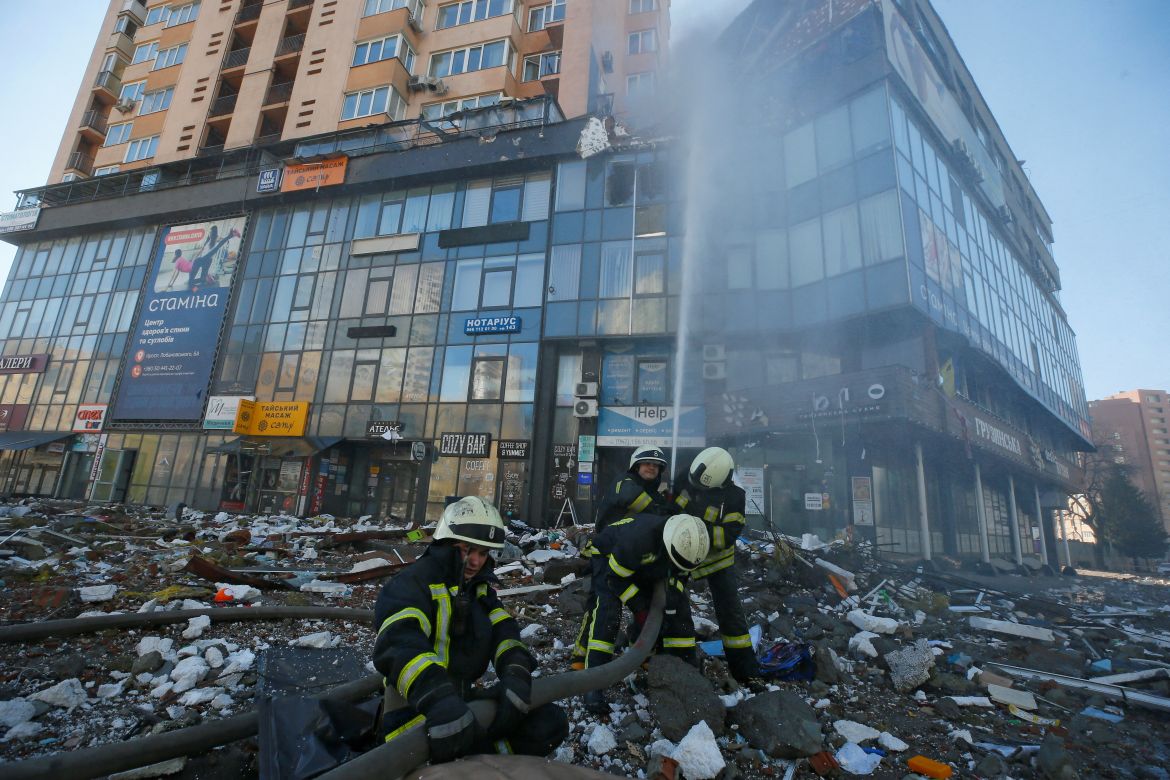
On July 3, 2026, the international community is navigating a complex landscape of high-stakes military escalation, global sporting drama, and a cultural milestone involving one of the world's most prominent public figures. While the 2026 FIFA World Cup enters its critical knockout stages in North America and rumors of a high-profile wedding for Taylor Swift dominate social discourse, the reality of the war in Ukraine has reasserted itself with a massive Russian aerial bombardment of Kyiv. The overnight attack, which lasted approximately 11 hours beginning on July 2, has resulted in significant civilian casualties and a moment of somber reflection during President Volodymyr Zelenskyy’s diplomatic mission in Europe.
The scale of the bombardment represents one of the most significant aerial operations launched by Moscow in recent months. Ukrainian officials confirmed that the capital was targeted by a combination of 496 unmanned aerial vehicles (UAVs) and 74 missiles, including 28 ballistic variants. The assault has left at least 30 civilians dead and 91 injured, according to the Kyiv City Military Administration. The strike has not only caused widespread physical destruction to residential and commercial infrastructure but has also intensified the strategic discourse regarding the potential for new offensive fronts and the efficacy of Ukraine's ongoing campaign against Russian energy infrastructure.
Detailed Breakdown of the July 2–3 Aerial Attack
The attack on Kyiv was characterized by its duration and the diversity of the munitions used. Ukrainian air defense systems were engaged throughout the night as waves of drones attempted to saturate the city's defensive perimeter. The scale of the threat was underscored by city data showing that Kyiv's metro shelters housed a record 52,500 people, including 4,500 children, during the 11-hour barrage. While a significant portion of the incoming threats was neutralized, impacts were recorded at 33 locations across the capital region, including residential apartment blocks, a hotel, and an ambulance station.
| Category | Metric/Detail |
|---|---|
| Duration of Attack | Approximately 11 Hours |
| Unmanned Aerial Vehicles (Drones) | 496 units |
| Missiles Launched | 74 (28 ballistic) |
| Confirmed Civilian Fatalities | At least 30 |
| Confirmed Injuries | 91 |
| Primary Targets (Ukrainian Report) | Residential buildings, Hotel, Ambulance Station |
| Impact Locations in Kyiv | 33 recorded strikes |
In addition to the strikes on Kyiv, the Russian Ministry of Defense has frequently claimed to target military infrastructure, such as airfields, as retaliatory measures following Ukraine’s persistent long-range strikes on Russian oil refineries. These Ukrainian operations have reportedly caused fuel shortages and rationing across dozens of Russia's federal subjects, with citizens feeling the direct impact of the energy crisis as limits are placed on fuel purchases per vehicle.
Zelenskyy Maintains Diplomatic Schedule Amid Rising Tensions
Despite the severity of the situation in Kyiv, President Volodymyr Zelenskyy continued his official diplomatic mission in Europe. While the President received intelligence regarding the "massive" strike, official reports indicate he did not cut the trip short. Instead, Zelenskyy publicly honored the victims of the Kyiv bombardment while remaining abroad to complete his scheduled diplomatic engagements and secure further European support for Ukraine's defense.
In a high-profile interview with CBS News conducted on July 2, Zelenskyy remained defiant despite the scale of the overnight losses. "Russia is losing. Ukrainians will win this war," Zelenskyy stated, emphasizing that the resilience of the Ukrainian people and the continued support of Western allies remain the decisive factors in the conflict. This sentiment comes as Ukraine’s Commander-in-Chief, Oleksandr Syrskyi, warned of intelligence suggesting that President Vladimir Putin has ordered the military to explore new offensive operations, potentially utilizing Belarusian territory to once again threaten the capital from the north.
The War of Attrition: Refineries and Recruitment
While Kyiv faces aerial bombardment, Ukraine has continued its strategic campaign of long-range drone strikes. Reports indicate that by the end of June 2026, Ukrainian forces had successfully targeted eight of Russia's ten largest oil refineries, with specific strikes hitting the Slavyansk and Yaroslavl facilities in late June. This campaign has had a measurable impact on Russia’s internal logistics, with widespread fuel rationing reported across various federal subjects. The targeting of energy infrastructure serves as a dual-purpose strategy: degrading the Russian military's fuel supply and applying economic pressure on the Kremlin.
Military analysts have also highlighted the mounting human cost of the conflict. Current estimates from the Center for Strategic and International Studies (CSIS) suggest that total Russian military casualties have reached approximately 1.4 million, including roughly 450,000 battlefield fatalities. Furthermore, reports indicate that the Kremlin is struggling to meet recruitment targets as the military seeks to replenish front-line units following these heavy losses.
The World Cup: Knockout Stage Drama in North America
Parallel to the geopolitical crisis in Europe, the 2026 FIFA World Cup has reached its highly anticipated knockout stage. The tournament, hosted across the United States, Canada, and Mexico, has seen a surge in global viewership, though the festive atmosphere is occasionally punctuated by the somber news from the Ukrainian front. On the pitch, the drama has been centered on the survival of traditional powerhouses and the emergence of veteran leadership.
In a recent standout match on July 2, Portugal secured a 2-1 victory over Croatia in the Round of 32 at Toronto Stadium to advance, with goals scored by Cristiano Ronaldo and Gonçalo Ramos. The match ended in significant controversy after a stoppage-time own goal by Portugal's Rúben Neves was disallowed by VAR because Croatia's Mario Pašalić was in an offside position during the build-up, sparking intense debate among fans and analysts. Cristiano Ronaldo, appearing in what many believe to be his final World Cup, offered a public tribute to teammate Diogo Jota following the win, highlighting the veteran's role as a mentor within the squad.
Upcoming World Cup Fixtures and Fan Sentiment
- Portugal vs. Croatia: Portugal advances after a 2-1 win; controversy over the disallowed own goal.
- Ronaldo’s Leadership: Tributes to Diogo Jota underscore the internal dynamics of the Portuguese squad.
- Tournament Atmosphere: High emotional stakes as the "Golden Generation" of several nations faces potential elimination.
The World Cup has provided a momentary diversion for millions, yet the intersection of sports and politics remains visible. Fans in several host cities have been seen displaying symbols of support for Ukraine, and several national teams have faced questions regarding their stance on the ongoing conflict during pre-match press conferences.
Cultural Phenomenon: The Taylor Swift Wedding Rumors
In the realm of global culture, the focus has shifted toward New York City, where rumors of a wedding between Taylor Swift and Travis Kelce at Madison Square Garden on July 3, 2026, have reached a fever pitch. While the couple has not officially confirmed the ceremony, intense media speculation has fueled massive social media engagement under the #TaylorSwift hashtag. Despite the rumors, no official "save-the-date" cards have been released or confirmed by the couple's representatives.
Psychologists and cultural critics have noted that the public's obsession with the "Kelce-Swift" milestone serves as a form of escapism during a period of global instability. The "Eras" era of Swift’s career appears to be culminating in this personal milestone, drawing a level of parasocial engagement that rivals the viewership of the World Cup. For many, the contrast between the celebratory scenes in New York and the harrowing footage from Kyiv illustrates the bifurcated nature of the modern global news cycle.
Diplomatic Efforts and Allied Support
Back on the diplomatic front, Western leaders continue to discuss the future of European security and have reaffirmed their support for President Zelenskyy’s proposal for direct dialogue aimed at securing an eventual ceasefire. However, allies emphasize that any such dialogue must be predicated on the restoration of Ukrainian sovereignty and the cessation of Russian hostilities.
The international community remains divided on the path forward. While Western allies continue to provide the sophisticated air defense systems that mitigated the damage in the July 2 attack, there is an increasing call for a diplomatic off-ramp. Zelenskyy’s interview with CBS suggested that while Ukraine is open to dialogue, the current military reality—characterized by massive aerial strikes on civilians—makes immediate negotiations difficult.
Summary of the Current Global Landscape
As of July 3, 2026, the world is defined by these three disparate yet interconnected threads. The war in Ukraine remains the primary driver of global security concerns, with the recent attack on Kyiv serving as a reminder of the conflict's volatility. The World Cup offers a platform for national pride and athletic excellence, while the personal lives of cultural icons like Taylor Swift provide a shared narrative for millions of fans worldwide.
The coming days will be critical. In Ukraine, the focus is on recovery and preparing for potential new offensives from the north. In North America, the World Cup will narrow its field as the Round of 16 approaches. And in New York, the world awaits official word on a wedding that has captured the imagination of the digital age. Journalistic objectivity requires us to acknowledge that while these events occur in different spheres, they collectively shape the experience of the mid-2026 landscape.
Conclusion and Outlook
The events of the last 24 hours underscore the resilience of the Ukrainian people and the persistent nature of modern conflict. Despite the "massive" nature of the Russian strike, the Ukrainian government continues to function, its military continues its counter-energy campaign, and its president continues to engage with the global community. Simultaneously, the world continues to move forward with its scheduled celebrations and sporting milestones, creating a duality that is perhaps the defining characteristic of the 21st century.
Authorities in Kyiv are currently working to restore power and heat to areas affected by the July 2 strikes, while international monitors continue to track the movement of Russian forces near the Belarusian border. As the World Cup progresses and the cultural spotlight remains on New York, the global community remains watchful, hoping for a de-escalation of violence while celebrating the achievements of athletes and artists alike.
Comments (0)
No comments yet. Be the first to share your thoughts!