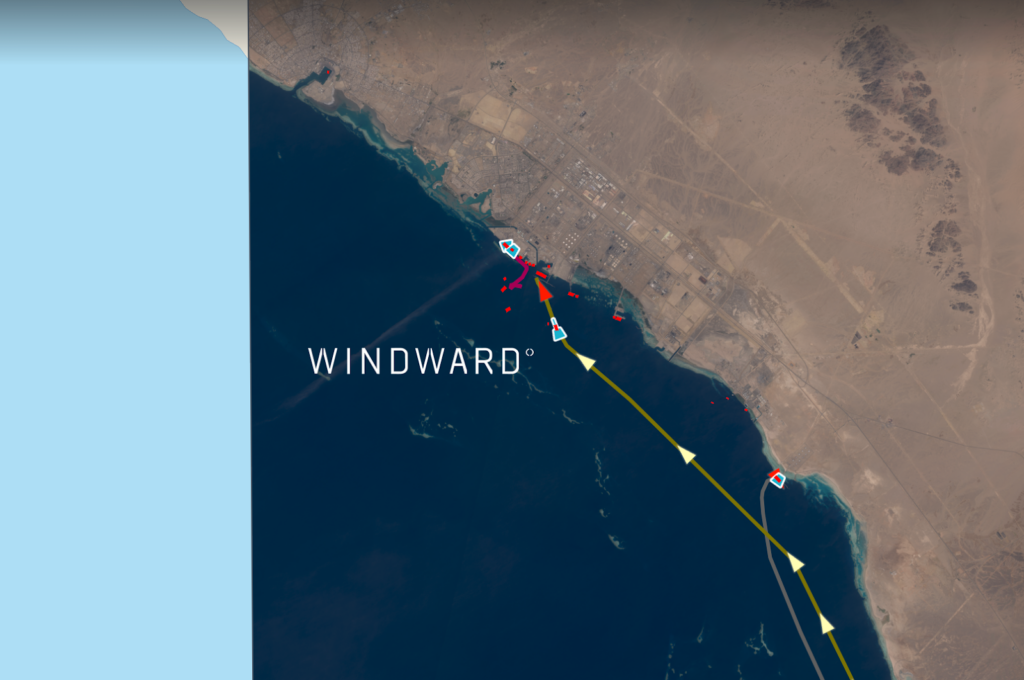
Stalemate in the Persian Gulf: Ceasefire Holds Amid High Tension
As of April 26, 2026, the fragile ceasefire established earlier this month continues to dictate the tactical landscape in the Persian Gulf. Despite earlier reports of potential escalations, there were no verified coordinated strikes by Iranian forces against Jordan, Qatar, or the United Arab Emirates (UAE) on April 25. Instead, the region remains in a state of uneasy suspension following a period of intense kinetic activity between February and early April. Defense analysts note that while the "April Surge" of previous weeks tested regional air defenses, the current focus has shifted from active bombardment to high-stakes diplomatic maneuvering.
The human and economic costs of the earlier hostilities remain a point of regional concern. While no new maritime strikes were recorded on April 25, the memory of debris-related fires in various oil zones from early April continues to impact insurance rates. Furthermore, the human toll of the conflict was highlighted by the confirmed death of a Bangladeshi national in Fujairah, UAE. Official records clarify that this casualty occurred on April 1, 2026, in the Al Rifaa area, due to shrapnel from an intercepted drone during a wave of 35 drones and five ballistic missiles launched by Iranian forces.
Tehran’s Internal Power Shift: Mojtaba Khamenei Asserts Control
The current posture of the Islamic Republic appears driven by a consolidated leadership structure under Supreme Leader Mojtaba Khamenei. On April 23, 2026, the Supreme Leader issued a significant statement via social media, praising the "remarkable unity" of the Iranian people. He claimed this internal cohesion has caused a "fracture" in the ranks of Iran's adversaries, signaling a hardline confidence in the face of international pressure.
This projection of unity was further bolstered by President Masoud Pezeshkian and Foreign Minister Abbas Araghchi. On April 24, President Pezeshkian explicitly rejected Western reports of a rift between the security establishment and moderate factions, asserting that the administration remains "Iranians and revolutionaries" united under the Supreme Leader's guidance. This internal consolidation suggests that the Islamic Revolutionary Guard Corps (IRGC) and the civilian government are currently aligned in their strategy of "deterrence through strength," complicating efforts for a swift diplomatic de-escalation.
Diplomacy in Islamabad: US Envoys Absent as Araghchi Departs
The diplomatic track in Islamabad, Pakistan, faced a significant setback on April 25. Iranian Foreign Minister Abbas Araghchi arrived in the Pakistani capital on April 24 to engage in mediated discussions aimed at transitioning the April 7 ceasefire into a permanent framework. Araghchi met with Pakistan’s Prime Minister Shehbaz Sharif on April 25 to discuss Iranian counter-proposals. However, the anticipated trilateral engagement with the United States failed to materialize.
Despite reports that US Special Envoy Steve Witkoff and Advisor Jared Kushner were scheduled to attend, both were "no-shows" in Islamabad. President Trump reportedly ordered his envoys not to travel to the summit, stating on Truth Social that the trip was a waste of time and issuing a directive that if Iranian leadership wished to negotiate, they should contact him directly. Following the collapse of the planned talks, Foreign Minister Araghchi departed Islamabad on the evening of April 25, traveling to Oman for further consultations. The absence of direct US participation leaves the future of the two-week ceasefire, mediated by Pakistan on April 7-8, in a state of uncertainty.
Table 1: Diplomatic Status in Islamabad (April 24-25)
| Representative | Affiliation | Status/Outcome |
|---|---|---|
| Abbas Araghchi | Iran (Foreign Minister) | Present; Met with PM Sharif; Departed for Oman April 25 |
| Steve Witkoff | United States (Special Envoy) | No-Show; Travel cancelled by White House |
| Jared Kushner | United States (Advisor) | No-Show; Travel cancelled by White House |
| Shehbaz Sharif | Pakistan (Prime Minister) | Present; Hosted bilateral talks with Iranian delegation |
The "Call Me Directly" Ultimatum
The diplomatic atmosphere has been defined by a shift in American tactics. On April 23, President Trump signaled a lack of patience with traditional mediation, stating that Iran is "running out of time." By blocking his envoys from the Islamabad talks, the US administration has emphasized a preference for direct, high-level communication over secondary backchannels. The US maintains that a return to the status quo is impossible without major concessions regarding Iran’s regional influence and its conduct in the Strait of Hormuz.
This pressure follows the significant US-Israel military campaign that began on February 28, 2026. Those operations targeted Iranian military infrastructure in response to militia activity and nuclear advancements. While the April 7 ceasefire required Iran to reopen the Strait of Hormuz to commercial traffic, the US Navy continues to conduct "Freedom of Navigation" operations to ensure the waterway remains unobstructed, as the threat of renewed vessel seizures remains a primary point of contention in the ongoing standoff.
Status of Secondary Reports: #AppleCEO and #WhiteHouseShooting
In addition to the primary conflict, social media activity has centered on two major events, with verified reports confirming significant developments in both cases.
- #AppleCEO: On April 20, 2026, Apple officially announced a major leadership transition. Tim Cook will move to the role of Executive Chairman, while John Ternus, the current Senior Vice President of Hardware Engineering, is set to become the new CEO effective September 1, 2026.
- #WhiteHouseShooting: Reports have confirmed a major security incident on April 25, 2026, during the White House Correspondents' Dinner at the Washington Hilton. A lone gunman charged a security checkpoint and shot a Secret Service officer. President Trump and other high-profile attendees were evacuated from the venue. While the White House complex itself was not breached, the shooting at the event has led to heightened security across the capital.
Historical Context: The Path to the April 2026 Ceasefire
The 2026 Iran war transitioned from a shadow conflict to open kinetic engagement on February 28, 2026, with the commencement of large-scale US-Israel strikes. These operations were met with Iranian drone and missile salvos targeting regional hubs, including the UAE. The intensity of these exchanges led to a Pakistani-mediated two-week ceasefire on April 7-8, 2026. The current diplomatic efforts in Islamabad were intended to solidify this temporary halt, but the "no-show" of US envoys on April 25 suggests a return to a policy of maximum pressure rather than mediated compromise.
Conclusion: A Fragile Peace at Risk
As of April 26, 2026, the region stands at a crossroads. While the feared escalation of April 25 did not occur, the failure of the Islamabad talks to produce a trilateral breakthrough has left the April 7 ceasefire on life support. With Supreme Leader Mojtaba Khamenei projecting a unified and defiant front in Tehran and the US administration demanding direct concessions, the window for a diplomatic resolution is narrowing. The next phase of the conflict will likely depend on whether the "direct talk" ultimatum issued by the White House results in a new channel of communication or a resumption of hostilities in the Persian Gulf.
Comments (0)
No comments yet. Be the first to share your thoughts!