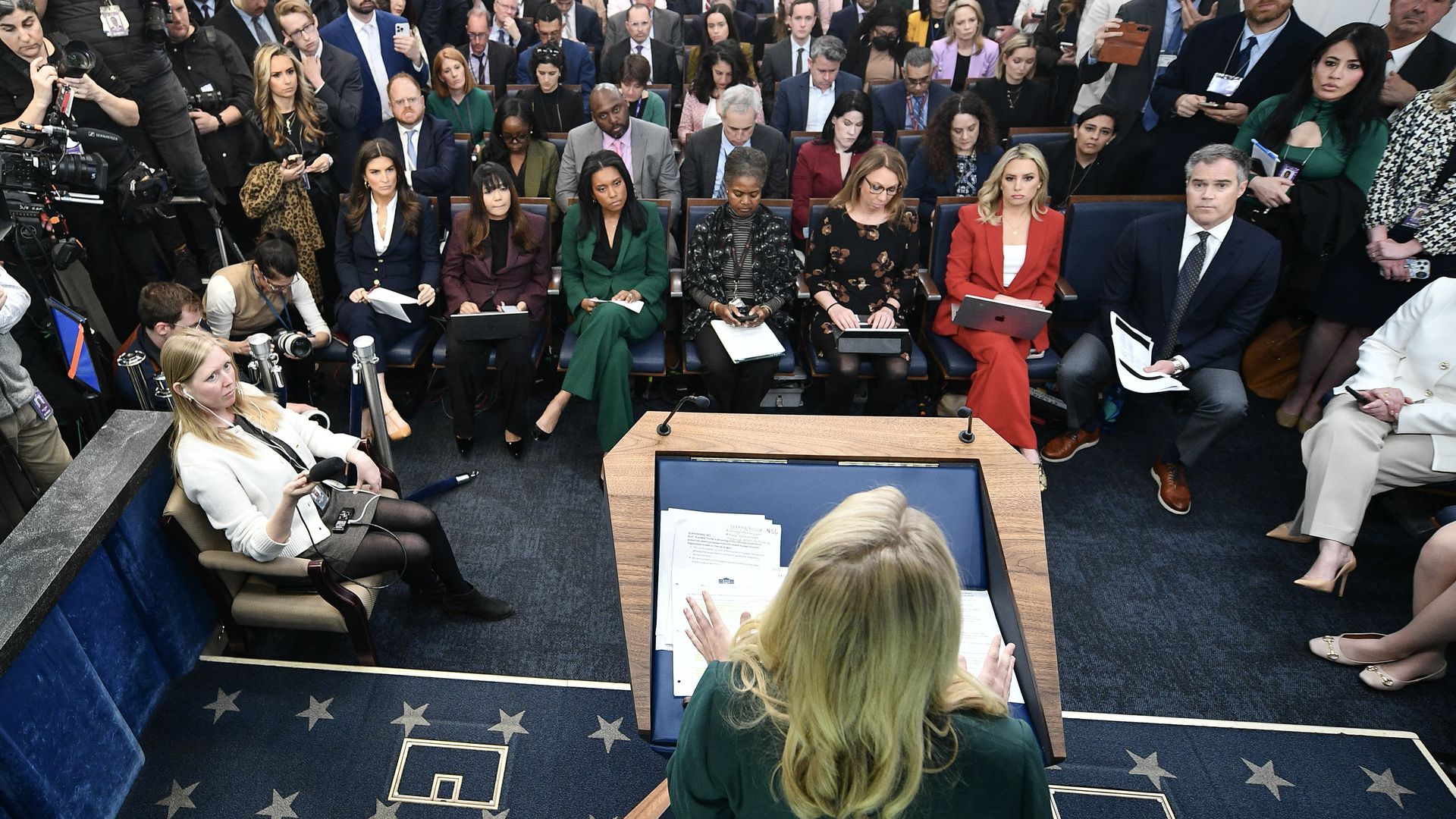
Donald Trump announced on Friday that CNN, MS NOW, and Politico are banned from the White House, effective immediately, citing what he characterized as unfavorable and cumulative negative coverage.
The restriction, made public via a post on Truth Social, marks a significant escalation in tensions between the administration and several major news organizations. In his statement, Trump accused the outlets of publishing false reports and stated that other media organizations could soon face similar measures. When questioned by reporters later in the Oval Office, the president defended the decision, asserting that the targeted organizations deliberately produce negative content to diminish the administration.
Representatives for the affected news organizations strongly pushed back against the announcement. A spokesperson for CNN stated that the network stands by its reporting team and emphasized that the organization maintains a constitutional right under the First Amendment to report without government hindrance or interference. Politico issued a statement affirming its commitment to fair coverage of the White House and vowing to defend its constitutional press protections. Press freedom advocates also condemned the directive, warning that it poses a direct threat to journalistic independence and public accountability.
Despite the immediate effective date announced on social media, the practical execution and enforcement of the directive remained unclear. Journalists from the affected outlets were still observed operating at or near the White House complex shortly after the statement was released, and no formal administrative or court enforcement mechanism had been officially detailed. Legal analysts noted that attempts by executive administrations to bar specific news organizations from official grounds face steep hurdles, pointing to previous legal precedents where credential revocations were successfully challenged in court.
The development fits into a broader pattern of strained relations between the current administration and mainstream media companies. Trump has a history of utilizing legal avenues, public criticism, and restricted access against news outlets whose coverage he disputes. Previous restrictions involved limiting access for other prominent news organizations during disputes over specific reporting and terminology. As the situation unfolds, media organizations and legal experts continue to monitor whether the administration will attempt formal enforcement steps that could trigger new constitutional litigation.
Comments (0)
No comments yet. Be the first to share your thoughts!