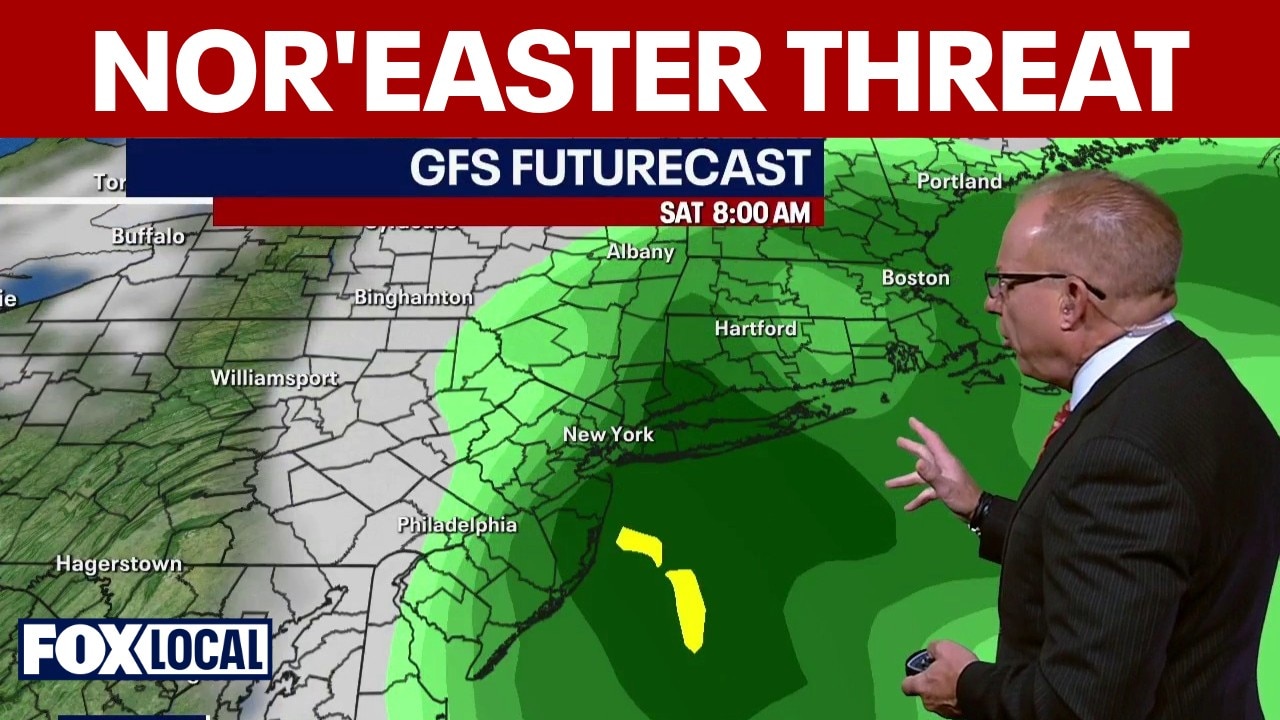
State and Local Officials Mobilize as Storm Intensifies
A powerful autumn nor’easter struck the East Coast on September 26, 2026, bringing wind-driven rain, dangerous surf, and coastal flooding to the tri-state area, according to regional reporting. In response to the intensifying system, governors in New York and New Jersey declared states of emergency to fast-track resource deployment and emergency response efforts.
New York Governor Kathy Hochul issued an emergency declaration covering New York City, Long Island, and Westchester County, with specific affected areas including the Bronx, Kings, Nassau, New York, Queens, Richmond, Suffolk, and Westchester counties. Across the state line, New Jersey Governor Mikie Sherrill declared a state of emergency for eight counties: Atlantic, Burlington, Cape May, Cumberland, Middlesex, Monmouth, Ocean, and Salem.
Widespread Power Outages and Infrastructure Impacts
As the storm system intensified over the last 24 hours, early impacts were felt across local utility grids. According to morning updates, approximately 35,000 customers were without power across the tri-state area. Outage figures included 18,237 customers in New Jersey, 14,291 on Long Island, and 2,455 within New York City proper.
Transportation networks and public events also experienced disruptions. Local authorities reported that high winds and rain forced the rescheduling of high-profile weekend events, including an AC/DC concert originally slated for Friday night.
Forecast and Weather Hazards
Forecasters warn that the worst conditions of the storm are expected to persist from Friday night through Sunday morning, with hazardous winds and coastal flooding lingering into Monday. Coastal flood warnings remain in effect for New York City and Long Island, where tides are projected to run two to three feet above average.
Wind speeds are a primary concern for emergency management teams. Sustained winds of 40 to 50 mph are anticipated in New York City, while coastal communities could experience gusts exceeding 60 mph, and even higher wind speeds offshore. Officials have urged residents in low-lying coastal zones to monitor local alerts and avoid unnecessary travel as rough surf batters the shoreline.
Comments (0)
No comments yet. Be the first to share your thoughts!