Lead Developments
Iran announced that it will make no concessions regarding its nuclear program, even if the United States accepts Tehran's proposal to reopen the vital Strait of Hormuz. According to reporting by Reuters citing a senior Iranian official, Tehran maintains that the strategic waterway will remain closed until Washington fulfills a comprehensive set of preliminary conditions, and that detailed nuclear talks will only be considered after those demands are met.
The rigid position introduces a sharp caveat to diplomatic outlines presented earlier in the week by Iranian Foreign Minister Abbas Araqchi in New York. Under that proposal, Iran suggested it could reopen the Strait of Hormuz within seven days if the United States lifts its naval blockade on Iranian ports, waives sanctions on Iranian oil exports, releases frozen financial assets, and moves toward a broader cessation of hostilities across multiple fronts, including Lebanon.
Core Positions and Demands
While Iranian President Masoud Pezeshkian separately stated that Tehran is willing to relinquish its existing stockpile of 60% enriched uranium under international frameworks, senior administration sources have firmly rejected broader limits on uranium enrichment or the removal of high-purity material from the country. Western governments have long pressed for strict caps on enrichment and the transfer of enriched stockpiles abroad to ensure civilian verification, demands that Tehran continues to categorize as infringements on its sovereign nuclear rights.
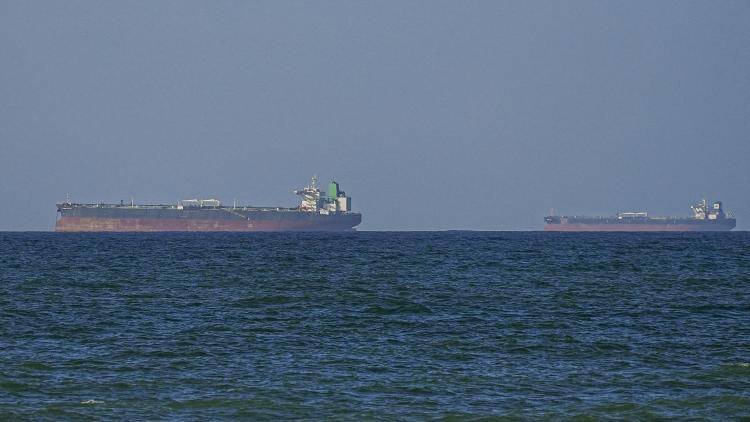
The Strait of Hormuz has served as the central focal point for indirect bargaining as both nations navigate the economic and military pressures of ongoing conflict. Disruption to the shipping lane has severely restricted regional oil transit, creating sustained economic headwinds. However, the latest statements from Tehran signal that while transactional openings for maritime access and de-escalation are under discussion, core atomic policies remain quarantined from the current diplomatic track.
Broader Regional Context
The diplomatic maneuvering unfolds against a tense regional backdrop. In a separate development closely timed with the United Nations General Assembly discussions, Rashid al-Alimi, head of Yemen’s Presidential Leadership Council, called for a general mobilization against Iran-backed Houthi forces. Although distinct from the direct bilateral negotiations between Washington and Tehran, the broader alignment of proxy conflicts continues to influence the strategic calculations of all parties involved in the maritime and nuclear standoff.
Comments (0)
No comments yet. Be the first to share your thoughts!