The Lead: A Growing Mandate of Discontent
Public sentiment regarding the state of the national economy has reached a critical inflection point as new data released over the last 24 hours underscores a widening rift between the current administration’s policies and the financial realities of American households. According to a series of high-profile polls from major news organizations, including CBS News and CNN, a significant majority of the electorate now expresses deep dissatisfaction with President Donald Trump’s stewardship of the economy, specifically citing the relentless pressure of inflation and the rising cost of essential goods. As of May 21, 2026, the political landscape is increasingly defined by a "sour public mood" that threatens to reshape the legislative agenda in Washington and influence the trajectory of future policy negotiations.
The data paints a stark picture of the current economic climate. A CBS News poll highlighted on May 20 reveals that 67% of respondents disapprove of the President’s handling of the economy, while 57% explicitly state that the administration’s policies are making them financially worse off. This discontent is even more pronounced regarding the specific issue of inflation, where approval ratings have plummeted to just 27%. These figures are mirrored by CNN’s recent findings, which show that disapproval ratings for the handling of inflation and gas prices have climbed into the mid-to-high 70s, reflecting a pervasive sense of economic vulnerability across middle- and lower-income demographics.
The Polling Data: A Statistical Breakdown of Public Sentiment
The recent surge in polling data provides a granular look at where the administration is losing ground with the public. The following table summarizes the disapproval ratings across key economic indicators as reported by CBS News and CNN over the past several days.
| Economic Indicator | Disapproval Rating (CBS/CNN) | Key Takeaway |
|---|---|---|
| Overall Economic Handling | 67% - 70% | Widespread lack of confidence in current fiscal direction. |
| Inflation Management | 73% - 74% | The primary driver of consumer dissatisfaction. |
| Gas Price Stability | 79% | High sensitivity to volatility at the pump. |
| Personal Financial Impact | 57% | Majority believe policies are actively harming their finances. |
Anthony Salvanto, the Elections and Surveys Executive Director for CBS News, noted that the public’s perception is not merely a reflection of current hardships but also a lack of confidence in the long-term efficacy of the administration’s strategies. Respondents indicated that they see these policies as detrimental in both the short and long term, with very few expressing optimism about a near-term recovery. While both major political parties are currently viewed negatively on cost-of-living issues, the data suggests that Democrats currently hold a relative edge in public trust on these specific matters, despite the overall negative atmosphere.
The "Short-Term Pain" Controversy and Consumer Sentiment
A significant factor contributing to the current dip in consumer sentiment is the administration’s recent rhetoric regarding the economic fallout of international conflicts. On May 17, discussions on MSNBC and CNN focused on President Trump’s characterization of Middle East conflict-related economic burdens as "short-term pain." The President’s assertion that he was not factoring these burdens into his broader negotiations has been met with sharp criticism from economic analysts and consumer advocates.
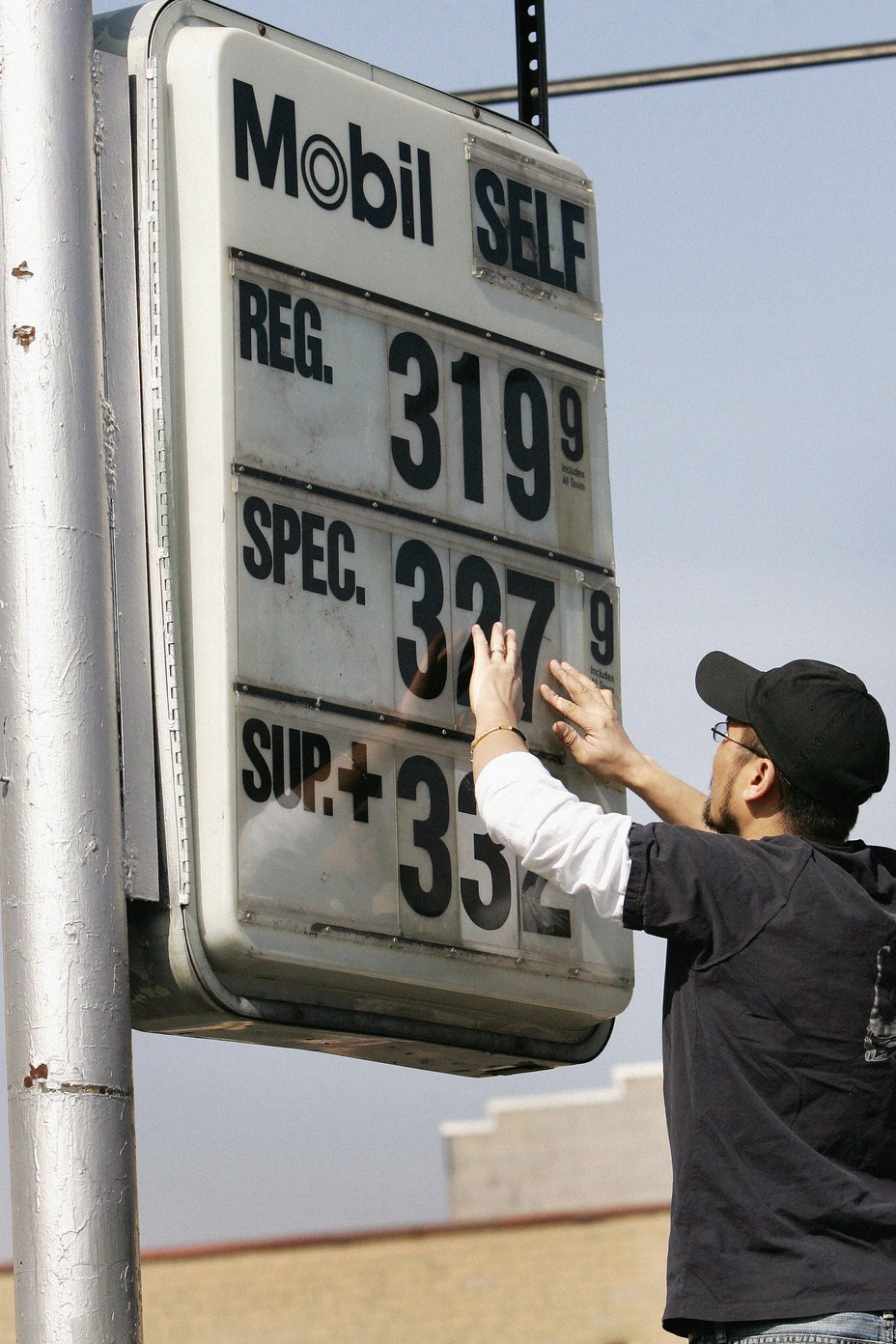
The "short-term pain" narrative appears to be at odds with the lived experience of many Americans who are facing record-high gas prices and grocery bills. The CNN poll conducted during this period highlighted that 79% of the public disapproves of the handling of gas prices, a figure that suggests the "short-term" nature of the burden is not a view shared by the electorate. For middle- and lower-income households, these price increases are not merely statistical fluctuations but are significant obstacles to daily financial stability. The disconnect between executive rhetoric and the consumer experience has fueled a narrative of an administration out of touch with the "kitchen table" issues that dominate the American consciousness.
Washington’s Response: Legislative Shifts and Utility Scrutiny
In response to the mounting public pressure, the legislative focus in Washington is shifting toward sectors that directly impact the cost of living. Reports from POLITICO’s live politics coverage on May 20 indicate that Congressional Democrats are increasingly turning their attention to electric utilities. As energy prices continue to rise, lawmakers are beginning to scrutinize how these utilities are managed and whether the current regulatory framework is sufficient to protect consumers from predatory pricing or mismanagement.
The broader political economy coverage also highlights several other key areas of legislative activity:
- Electric Utilities: Increased oversight and potential hearings regarding the correlation between utility management and rising household energy costs.
- Medicare Drug Pricing: Ongoing battles over the implementation of drug pricing reforms aimed at lowering out-of-pocket costs for seniors.
- IRS Audit Scrutiny: Investigations into the effectiveness and fairness of recent IRS audit initiatives, particularly their impact on different income brackets.
- AI Regulation: Fierce debates in the Senate regarding the regulation of Artificial Intelligence and its potential impact on the labor market and economic productivity.
- Prediction Markets: Rising scrutiny over the legality and influence of prediction markets on political outcomes and economic forecasting.
These developments suggest that the economic discontent found in the polling is translating into a more aggressive legislative agenda. Lawmakers are seeking ways to demonstrate to their constituents that they are taking tangible steps to address the cost-of-living crisis, even as they navigate a deeply divided Congress.
Budgetary Frictions: The Rejection of the $1 Billion Security Request
The economic tension is also manifesting in budgetary disputes between the executive branch and its own party members. In a notable development reported by POLITICO, Senate Republicans recently dropped a $1 billion security request submitted by the Trump administration. The request, which was reportedly tied to "ballroom funding" and other security enhancements for the President’s properties, was met with resistance from GOP lawmakers who are wary of appearing spendthrift during a time of widespread economic hardship.
The rejection of this funding request underscores the delicate balancing act facing the Republican party. While they remain aligned with the President on many ideological fronts, the political risk of supporting high-cost security requests—perceived by some as extraneous—is becoming too high. This internal friction highlights a broader concern within the party that the administration’s spending priorities may not align with the urgent economic concerns of the base.
Global Context: Economic Pressures Beyond U.S. Borders
The economic frustration seen in the United States is part of a broader global trend of inflationary pressure and public outcry. In India, social media trends under the hashtag #IndianEconomy have highlighted a "furious and disgusted" sentiment regarding rising fuel costs and currency devaluation. The Wholesale Price Index (WPI) in India recently reached a 42-month high of 8.30%, with the dollar nearing the 100-rupee mark. This has led to widespread sarcasm toward government silence and a narrative that contrasts leadership indifference with the "shocks" felt by the average citizen.
Similarly, in Ghana, the debate over a proposed "24-hour economy" policy has become a flashpoint for economic criticism. Critics have labeled the policy as "dead on arrival," citing concerns over feasibility, energy cooperation, and oil import levels. These international parallels suggest that the challenges facing the Trump administration are not unique but are part of a global struggle to manage post-conflict economic volatility and the rising costs of energy and commodities.
The Tail: Ancillary Economic and Political Developments
While the primary news cycle is dominated by inflation and polling, several other developments are contributing to the complex economic landscape. The Senate is currently embroiled in a battle over the regulation of AI, with some lawmakers arguing that the technology represents a significant threat to long-term job security, while others see it as a necessary engine for future economic growth. This debate is occurring alongside a renewed focus on Medicare drug pricing, as the administration faces pressure to deliver on promises of lower healthcare costs before the next election cycle.
Furthermore, the scrutiny of prediction markets has intensified as these platforms become more prominent in political forecasting. Regulators are concerned that these markets may be subject to manipulation or could provide a skewed view of public sentiment that influences actual voter behavior. This issue, while seemingly niche, reflects a broader concern about the "digitalization" of political and economic indicators.
The following list summarizes the key takeaways from the current political-economic landscape:
- Public Sentiment: Disapproval of the President's economic handling is at a record high, driven by inflation and gas prices.
- Legislative Focus: Congress is pivoting toward utility costs, healthcare pricing, and AI regulation to address consumer pain.
- Internal GOP Friction: The rejection of the $1 billion security request signals a growing caution among Senate Republicans regarding executive spending.
- Global Parallels: Similar economic discontent is manifesting in other major economies like India and Ghana, reflecting a global trend of inflationary pressure.
- Future Outlook: With only 27% approval on inflation, the administration faces a significant challenge in regaining public trust before the 2026 midterm season concludes.
As the May 21 news cycle draws to a close, the prevailing narrative is one of an administration under siege by economic data. The combination of historic disapproval ratings and a legislative body that is increasingly focused on the costs of daily life suggests that the "short-term pain" described by the President may have long-term political consequences. For the American consumer, the focus remains on the price of the pump and the grocery aisle, leaving Washington to grapple with the fallout of a public that feels increasingly left behind by the current economic trajectory.
Comments (0)
No comments yet. Be the first to share your thoughts!