The 48-Hour Deadline: Washington Issues Definitive Ultimatum to Tehran
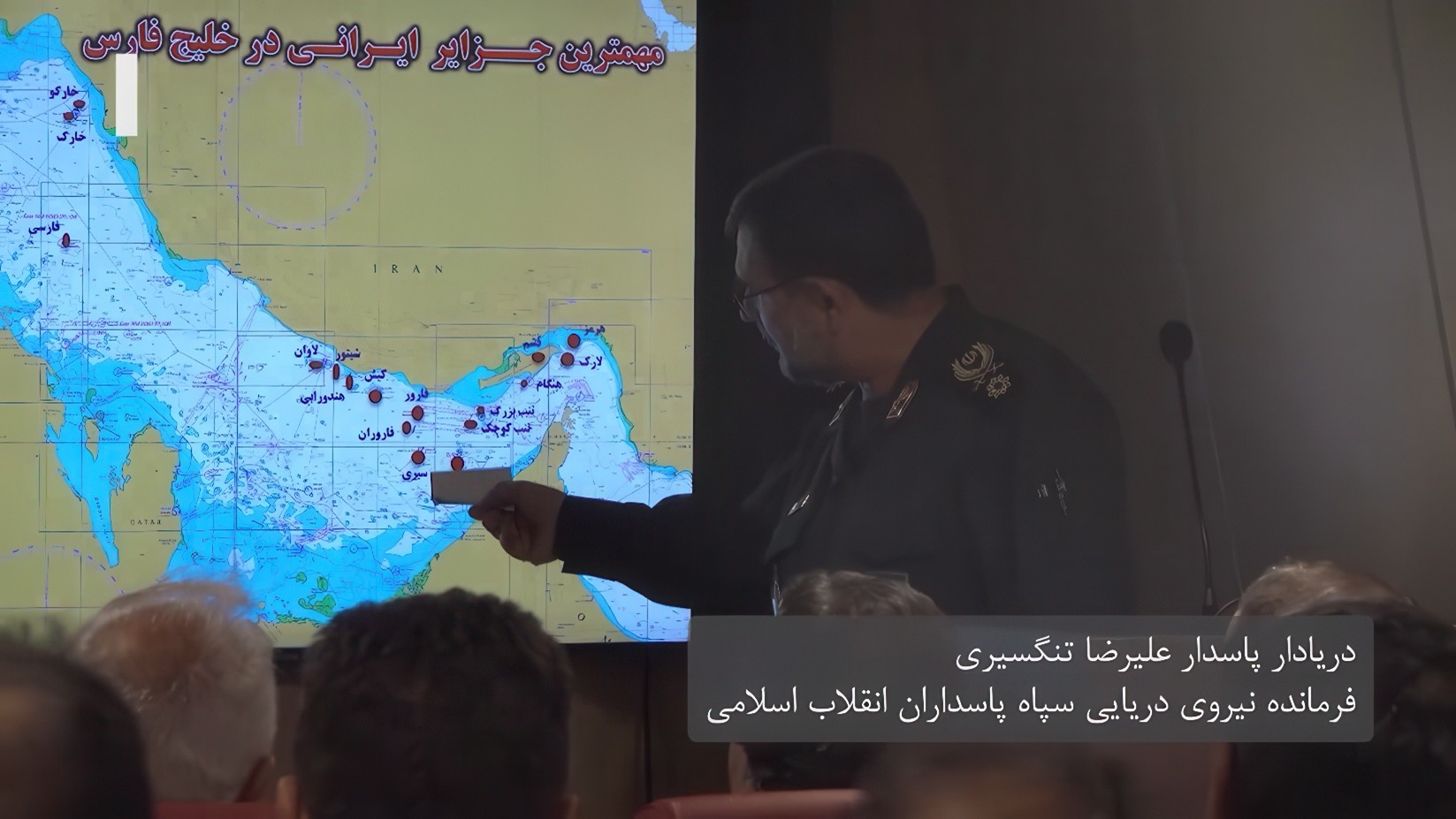
As of March 23, 2026, the international community remains focused on the impending expiration of a 48-hour ultimatum issued by United States President Donald Trump. On March 22, the U.S. administration delivered a formal warning to the Iranian government, demanding the reopening of the Strait of Hormuz. The ultimatum specifies that failure to comply will result in targeted military strikes intended to "obliterate" Iranian domestic power plants and energy generation infrastructure. This development follows weeks of escalating maritime friction where the closure of the Strait has effectively restricted commercial transit through the primary artery for global oil supplies.
The Iranian government has responded to the Washington ultimatum with a counter-threat, indicating that any attack on its power plants would make regional energy and water desalination infrastructure "legitimate targets" for "irreversible destruction." Currently, the Strait—responsible for the passage of approximately 20 percent of the world's petroleum—is characterized by significant naval tension. While the U.S. Fifth Fleet maintains a presence in the region, the operational security of commercial shipping has collapsed, with commercial traffic through the waterway reduced by approximately 90 percent since early March.
Military Operations and Strategic Engagements
The ultimatum occurs against a backdrop of sustained military engagements within the region. A coordinated campaign involving U.S. and Israeli assets has targeted a series of strategic locations. Intelligence reports and satellite imagery have confirmed direct military strikes on several nuclear-related facilities, including Natanz and Bushehr. International observers have verified damage to auxiliary infrastructure at these sites, consistent with a campaign to degrade Iran's strategic capabilities.
While the scale of the strikes has caused significant disruption to Iranian state operations, the campaign has faced intense scrutiny following reports of collateral damage. These operations have significantly impacted the regional security landscape, as the central government’s focus is diverted to the escalating external conflict and the protection of its most sensitive military and nuclear assets.
Regional Threats and Energy Infrastructure Risks
In response to the strikes on its soil, Tehran has vowed major retaliation against energy assets in neighboring countries. This has expanded the scope of the crisis beyond the immediate Iran-Israel-U.S. dynamic, drawing in several Gulf Cooperation Council (GCC) members who fear for the safety of their critical infrastructure. Iranian military officials have warned that the continued blockade of the Strait of Hormuz and the threat of strikes on Iranian power plants could lead to a wider regional conflagration targeting the Arabian Peninsula's energy and water security.
President Trump has maintained a firm stance, suggesting a strategic attempt to force the reopening of the Strait while maintaining military pressure on the Iranian government's political and military assets. The threat to Iranian power generation is seen as a final effort to restore global energy flow before the conflict escalates into a full-scale regional war.
Economic Impact and Global Market Statistics
The disruption of the Strait of Hormuz has had a profound impact on global commodity prices and regional economies. Since the onset of the current conflict phase in early March, crude oil prices have surged by 40 percent. Analysts note that the 90 percent reduction in commercial transit through the Strait has created a significant supply vacuum that other producers are currently unable to fill.
| Economic Indicator | Current Status (March 23, 2026) | Percentage Change / Impact |
|---|---|---|
| Crude Oil Price (Brent/WTI) | Surging | +40% since March 1, 2026 |
| Indian Rupee (INR) | ₹93.89 per USD | Record low valuation |
| Dubai Real Estate Market | 25-30% Valuation Drop | Sharp decline in luxury sector |
| Strait of Hormuz Traffic | Near Zero | 90% reduction in commercial transit |
In addition to the surge in energy prices, the regional property market has seen a sharp correction. Dubai has seen property values fall by nearly a third as investors react to the proximity of the conflict. In India, the economic ripples are felt through a significant currency devaluation, with the Rupee crashing to a record low of ₹93.89 per USD. Furthermore, India is reporting critical shortages of Liquefied Petroleum Gas (LPG) and fertilizers, both of which are heavily dependent on Middle Eastern imports.
Humanitarian Consequences and Civilian Impact
The humanitarian toll of the escalation continues to rise. A particularly high-profile incident occurred in Minab, Iran, on February 28, 2026, where a strike on a girls' school located adjacent to an IRGC compound killed over 150 students and staff. This event has drawn international attention to the risks posed to civilian populations during strikes on military-adjacent infrastructure. Inside Iran, the government has intensified its internal security measures as the regime attempts to maintain control amidst the external pressure.
The mass displacement of people is another growing concern. Over 375,000 Indian nationals have been evacuated from the region in a massive logistical operation coordinated by the Indian government. This represents one of the largest emergency repatriations in recent history, as foreign nationals flee the threat of a broader regional conflict.
Geopolitical Realignment and Diplomatic Responses
The crisis has prompted several significant diplomatic and administrative shifts. On March 9, 2026, the United States government designated the Sudanese branch of the Muslim Brotherhood as a Specially Designated Global Terrorist (SDGT) entity, effective immediately. The U.S. State Department also announced its intention to designate the group as a Foreign Terrorist Organization (FTO) effective March 16, 2026. This move was justified by the group's alleged financial and operational ties to Iranian regional activities, with reports indicating that its fighters have received support from the Islamic Revolutionary Guard Corps (IRGC).
International bodies have expressed grave concern over the lack of de-escalation signals. UN officials have called for investigations into strikes affecting civilian areas and have emphasized the need for regional stability. However, as the 48-hour deadline set by the U.S. approaches, there are few signs that either Tehran or Washington is prepared to blink.
Current Outlook
The situation as of the morning of March 23 remains extremely fluid. The global energy market is in a state of high alert, waiting to see if the Iranian government will meet the U.S. demands regarding the Strait of Hormuz. Military analysts suggest that if the deadline passes without a reopening of the waterway, the subsequent strikes on Iranian power plants could lead to a total blackout in major Iranian cities. Conversely, if Iran follows through on its threat to target regional desalination plants, the humanitarian crisis in the Gulf could escalate into a critical water and food security emergency. The coming hours will determine whether the conflict enters a phase of further expansion or if the economic and military pressure will force a tactical retreat.
Comments (0)
No comments yet. Be the first to share your thoughts!