The Convergence of Global and Domestic Challenges
As of May 17, 2026, the international community and the United States are navigating a complex landscape defined by high-stakes diplomacy in Asia, a burgeoning public health crisis in Central Africa, and a significant disruption to the domestic transportation infrastructure in the New York metropolitan area. These three disparate yet impactful developments—the conclusion of the Trump-Xi summit in Beijing, the World Health Organization’s (WHO) emergency declaration regarding Ebola, and the Long Island Rail Road (LIRR) strike—have dominated the news cycle over the past 48 hours.
In Beijing, President Donald Trump concluded a multi-day visit aimed at stabilizing the volatile relationship between the world’s two largest economies. The summit, which had been rescheduled from April 2026 due to the conflict in Iran, saw the President attempting to navigate a path forward with China amidst regional instability. While the rhetoric following the summit was characterized by optimism from both leaders, official documentation of concrete breakthroughs remains sparse. Simultaneously, the WHO has sounded the alarm on a renewed Ebola outbreak in the Democratic Republic of the Congo (DRC) and Uganda, triggering international concern over potential cross-border transmission. Domestically, the collapse of contract negotiations between the LIRR and its labor unions has resulted in a total service shutdown, leaving more than 250,000 daily commuters stranded and sparking a political firestorm between state and federal officials.
The Trump-Xi Summit: Diplomatic Theater and Strategic Ambiguity
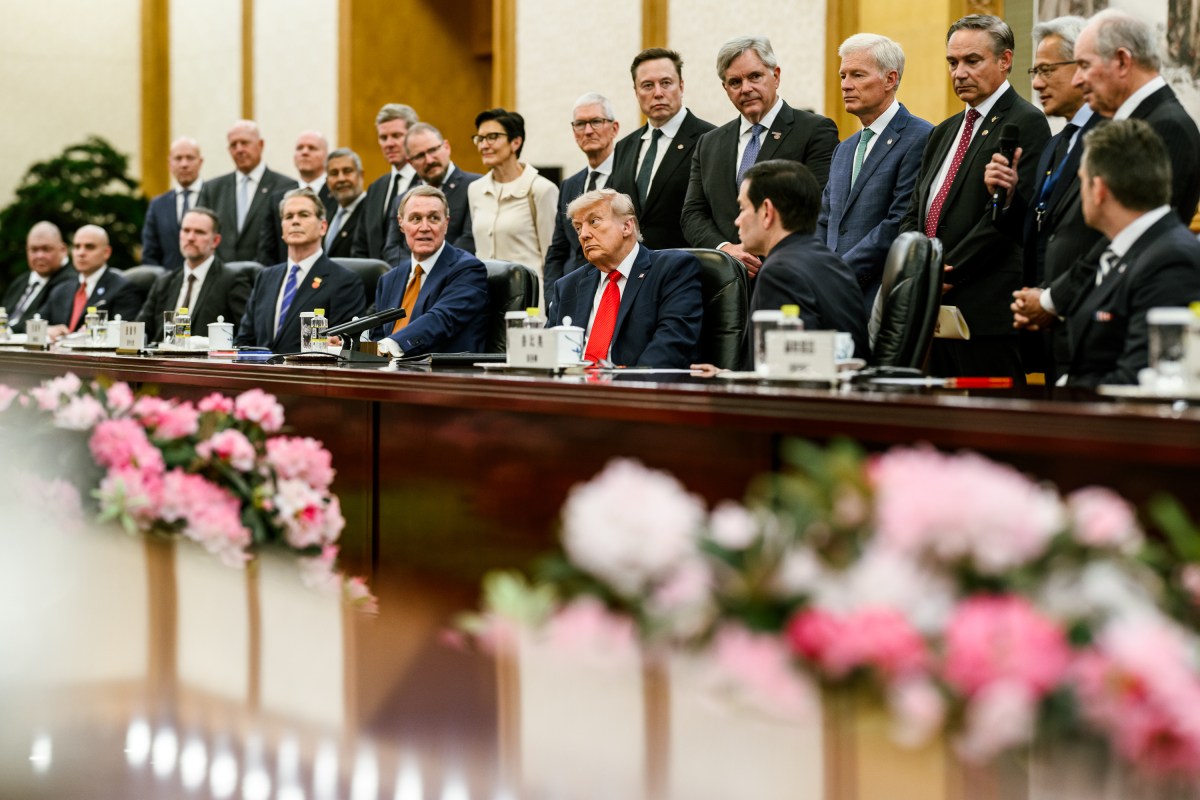
On May 15, 2026, President Donald Trump wrapped up a high-profile state visit with Chinese President Xi Jinping. The visit, which began on May 13, included a state banquet and visits to the Temple of Heaven and Zhongnanhai, as confirmed by White House principal deputy press secretary Anna Kelly. The primary summit meetings, held on May 14 in the Great Hall of the People, were intended to address a myriad of friction points, including trade imbalances, regional security, and the status of Taiwan. Upon his departure, President Trump characterized the talks as highly successful, stating that the two nations had "settled a lot of different problems" and secured "fantastic trade deals."
Despite the President's positive framing, the White House has yet to release the specific terms of these agreements. Reports from the ground suggest that the "deals" primarily involve modest economic concessions in the aerospace and agricultural sectors, specifically involving Boeing jet orders and increased purchases of American soybeans. However, major structural issues—most notably the existing tariff framework and China’s dominance in the rare earth minerals market—appear to have been largely bypassed during this round of negotiations, which were delayed by several weeks due to the 2026 Iran war.
Key Discussion Points and Unresolved Tensions
The summit’s agenda was heavily weighted toward strategic security concerns. According to official readouts, the leaders reached a consensus regarding Iran, with both sides agreeing that the Iranian government must not be permitted to develop a nuclear weapon. This shared stance on the Strait of Hormuz and Middle Eastern stability represents a rare point of alignment in an otherwise competitive relationship.
However, the issue of Taiwan remains a significant flashpoint. President Xi Jinping reportedly issued a stern warning during the private sessions, suggesting that any mishandling of the Taiwan issue could lead to "clashes and even conflicts." While President Trump noted that he "heard Xi out," there was no public shift in U.S. policy, nor was there a commitment from Beijing to reduce its military posturing in the Taiwan Strait. This strategic ambiguity continues to define the relationship, as both leaders returned to their respective capitals without a formal joint communique addressing the island’s status.
Table 1: Reported Outcomes of the May 2026 Trump-Xi Summit
| Issue Area | U.S. Stated Position/Outcome | Chinese Stated Position/Outcome | Verified Status |
|---|---|---|---|
| Trade & Tariffs | Claimed "fantastic deals" signed. | Emphasized "constructive" cooperation. | No major tariff changes announced; modest Boeing/Soybean deals. |
| Taiwan | Acknowledged Chinese concerns. | Warned of potential "conflict." | No change in official policy or military posture. |
| Iran / Nuclear | Agreement that Iran cannot have nukes. | Agreement on regional stability. | Bilateral consensus reached on non-proliferation. |
| Diplomatic Tone | Personal rapport emphasized. | "Stable and strategic" ties promoted. | Positive rhetoric; summit rescheduled from April due to Iran war. |
The Ebola Outbreak: A Public Health Emergency of International Concern
While diplomatic focus was centered on Beijing, the World Health Organization issued a grave warning regarding a deteriorating health situation in Central Africa. On May 17, 2026, the WHO officially declared the Ebola outbreak (Bundibugyo virus) in the Democratic Republic of the Congo (DRC) and Uganda a "Public Health Emergency of International Concern" (PHEIC). This designation is reserved for extraordinary events that pose a public health risk to other states through the international spread of disease.
The current data indicates a serious situation, though figures remain fluid. As of May 17, the WHO and DRC health authorities have reported 8 lab-confirmed cases and 246 suspected cases, with the suspected death toll reaching 80. The outbreak, which initially surfaced in the Ituri Province of the DRC—specifically in the Mongbwalu and Rwampara health zones—has now crossed the border into Uganda, complicating containment efforts due to the high volume of cross-border trade and migration in the region.
Epidemiological Challenges and Public Reaction
Health officials face significant hurdles in managing the outbreak, including regional instability and public mistrust of medical interventions. In the DRC, healthcare workers have struggled to implement vaccination programs in areas affected by local conflict. Furthermore, the rise of social media misinformation has hindered the response. Unverified theories characterizing the outbreak as a "political weapon" or a "foreign hoax" have gained traction online, leading to skepticism regarding the WHO’s containment strategies.
In response to the emergency, several nations have begun implementing enhanced screening protocols at major international airports. Travelers arriving from or having transited through East and Central Africa are being subjected to temperature checks and health questionnaires. Public health experts emphasize that while the risk to the Western hemisphere remains low, the "level 2" warning issued by the WHO necessitates a coordinated global response to prevent a repeat of the 2014-2016 epidemic.
Table 2: Ebola Outbreak Statistics (as of May 17, 2026)
| Metric | Current Count | Primary Locations |
|---|---|---|
| Confirmed Infections | 8 | DRC (Ituri Province: Mongbwalu, Rwampara), Western Uganda |
| Suspected Cases | 246 | Ituri Province and surrounding regions |
| Suspected Fatalities | 80 | Mongbwalu, Rwampara, Mpondwe |
| WHO Status | PHEIC (Emergency) | International concern declared May 17, 2026 |
The LIRR Strike: Transit Paralysis in New York
On the domestic front, the New York metropolitan area is grappling with a severe transportation crisis following the collapse of contract negotiations between the Long Island Rail Road (LIRR) and its labor unions. The strike, which began on the morning of Saturday, May 16, 2026, after a final cooling-off period failed to produce a deal, has resulted in the total suspension of service on all LIRR branches. This shutdown affects more than 250,000 daily riders who depend on the system to commute between Long Island and Manhattan.
The core of the dispute centers on wage increases, pension contributions, and healthcare benefits. Union leaders argue that their members have not received a cost-of-living adjustment that keeps pace with the current inflation rates in the Tri-State area. Conversely, management has cited budgetary constraints and the need for "efficiency reforms" as reasons for resisting the union's demands. The impasse reached a breaking point when the Metropolitan Transportation Authority (MTA) rejected a last-minute arbitration proposal from the labor coalition.
Political Fallout and Commuter Impact
The strike has quickly evolved into a political battleground. New York Governor Kathy Hochul has faced intense criticism for the state's inability to prevent the shutdown. In response to the crisis, the MTA has activated a contingency plan that includes limited shuttle bus service during peak hours and the promise of prorated refunds for monthly ticket holders for the duration of the suspension. However, the Governor’s office has also attempted to deflect blame, suggesting that federal rhetoric regarding labor and "efficiency" has emboldened management to take a harder line.
The impact on the ground is chaotic. Major transit hubs, such as Penn Station and Grand Central Madison, have seen unprecedented overcrowding as commuters attempt to utilize alternative bus routes or the subway system. Ride-sharing services have reported significant surge pricing, and traffic congestion on the Long Island Expressway and Northern State Parkway has reached record levels. Business leaders in Manhattan have expressed concern that a prolonged strike could result in significant economic losses for the city’s retail and service sectors.
Table 3: LIRR Strike Impact Summary
| Category | Impact Detail |
|---|---|
| Service Status | 100% Suspended (All Branches) |
| Daily Riders Affected | More than 250,000 |
| Contingency Measures | Limited peak-hour shuttle buses; prorated refunds |
| Political Friction | Governor Hochul vs. Federal Labor Rhetoric |
| Economic Effect | High; Surge pricing and lost productivity in NYC |
Synthesizing the Global and Local Landscape
The events of mid-May 2026 illustrate a world in a state of precarious transition. The Trump-Xi summit, while avoiding an immediate escalation of hostilities, highlights the enduring nature of the U.S.-China rivalry and the difficulty of reaching substantive agreements on core strategic issues. The optimism expressed by the White House provides a temporary reprieve for global markets, but the lack of progress on Taiwan and tariffs suggests that the underlying tensions remain unresolved.
Simultaneously, the Ebola emergency serves as a reminder of the persistent threat posed by infectious diseases in an interconnected world. The WHO's declaration of a public health emergency necessitates not only a medical response but also a diplomatic effort to ensure that aid and resources can reach the affected regions safely. The rise of misinformation regarding the virus as a "political weapon" further complicates the task, requiring a concerted effort from both governments and technology platforms to prioritize factual reporting.
Finally, the LIRR strike underscores the volatility of domestic labor relations in an era of economic uncertainty. The shutdown of a vital transit artery serves as a microcosm of the broader political polarization in the United States, where local labor disputes are increasingly viewed through the lens of national partisan politics. As commuters seek workarounds and negotiators remain at a stalemate, the economic and social costs of the strike continue to mount.
Looking Ahead: Monitoring the Next 48 Hours
In the coming days, several key indicators will determine the trajectory of these crises:
- Diplomacy: Will the White House release specific data on the "fantastic trade deals" mentioned by President Trump, and how will markets react to the lack of tariff movement?
- Public Health: Will the Ebola infection rate stabilize in the DRC and Uganda, or will the PHEIC status lead to broader travel restrictions across the African continent?
- Labor: Will Governor Hochul intervene with an emergency executive order to force a return to the bargaining table, or will the LIRR strike persist into the upcoming work week?
As May 17 draws to a close, the intersection of international diplomacy, global health, and domestic infrastructure remains the focal point for policymakers and the public alike. The ability of leadership at all levels to address these challenges with transparency and pragmatism will be tested in the days to come.
Comments (0)
No comments yet. Be the first to share your thoughts!