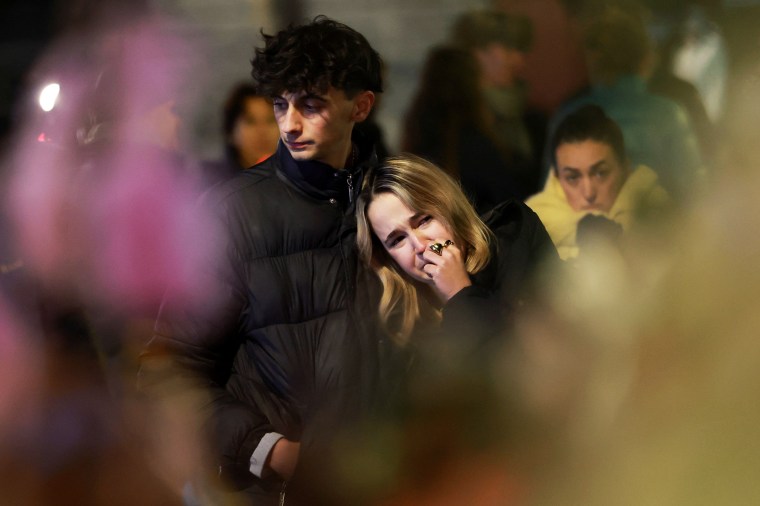
Tragedy Strikes Crans-Montana on New Year's Day
A catastrophic fire ripped through a crowded bar in the luxury Swiss ski resort town of Crans-Montana in the early hours of New Year's Day, claiming the lives of at least 40 people and leaving 119 seriously injured. Swiss authorities have launched a criminal probe into the incident at the "Le Constellation" bar, with initial investigations suggesting that sparklers attached to champagne bottles, brought too close to the ceiling, may have ignited the blaze. The inferno, which occurred around 1:30 AM, has been described by Swiss President Guy Parmelin as "one of the worst tragedies that our country has experienced."
Investigation Underway as Victims Identified
The swift-moving fire caused widespread panic, with witnesses reporting people attempting to break windows to escape and others pouring into the street covered in burns. The majority of the injured, many of whom are teenagers, suffered severe burns and smoke inhalation, leading to hospitalizations across Switzerland and in neighboring France, Italy, and Germany. Of the 119 injured, 113 have been formally identified, including 71 Swiss nationals, 14 French, and 11 Italians, alongside citizens from other European countries. Valais canton police commander Frédéric Gisler stated that the immediate focus is on identifying the deceased, a grim task made challenging by the severity of the burns, which may require DNA samples from desperate families. Bar managers have been interviewed as part of the ongoing investigation to understand the venue's configuration and capacity.
Persistent Threat of Forest Fires Across Switzerland
Beyond this urban tragedy, Switzerland consistently faces the threat of forest fires, particularly in the southern side of the Alps, including Ticino, Valais, and Graubünden. Approximately ninety percent of forest fires in the country are attributed to human activity, often resulting from careless behavior or arson, while lightning strikes account for the remaining ten percent, especially in summer months in the Alpine region. Historically significant forest fires, such as those in Leuk (2003) and Visp (2011), have devastated hundreds of hectares and prompted new forest fire strategies in affected cantons like Valais.
Climate Change Exacerbates Fire Risk
The risk of forest fires is increasingly amplified by climate change, with Switzerland experiencing more frequent periods of low precipitation, extreme drought, and heatwaves. These conditions create drier vegetation and soil, increasing the likelihood of ignition and rapid spread, a phenomenon often referred to as "fire weather." In August 2025, the Swiss government issued warnings of considerable heat and an increased to very high risk of forest fires in large parts of the country, with some areas of Valais reaching the highest danger level 5. More recently, in late December 2025, a drought led to a "moderate danger" (level 2 out of 5) for forest fires in high-altitude regions of Bern, Graubünden, and Ticino, necessitating caution with fires and fireworks. Studies indicate that climate change has led to significantly larger burned areas, despite a slight overall decrease in fire frequency due to land use changes.
Adaptation and Future Outlook
The compounding effects of a warmer, drier climate are not only extending fire seasons but also destabilizing mountain slopes, potentially leading to increased landslides and rockfalls in burnt areas. Swiss research initiatives, such as the "FireSwitch" project, are conducting long-term studies on tree regeneration and post-fire succession in affected regions like Leuk and Visp to inform adaptive management and intervention plans. As Switzerland confronts the immediate aftermath of the Crans-Montana tragedy and the ongoing challenge of forest fires, robust strategies for prevention, preparedness, and climate adaptation remain paramount to protect its landscapes and communities.
Comments (0)
No comments yet. Be the first to share your thoughts!