US Military Conducts Self-Defense Strikes Amid Iranian Missile Activity
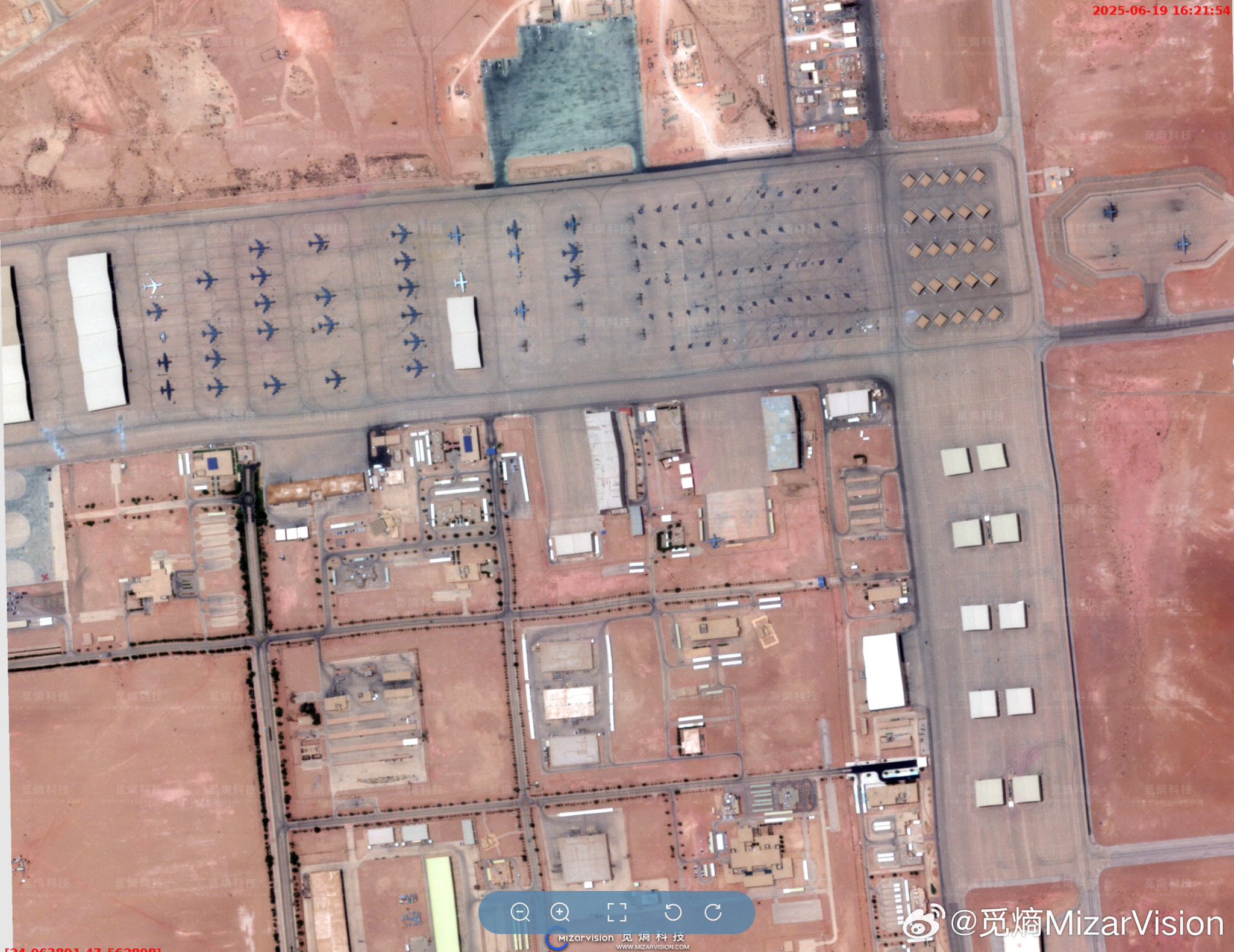
In a significant escalation of regional tensions, the United States Central Command (CENTCOM) has confirmed the execution of multiple military strikes against targets linked to Iranian operations. These actions, described by Department of Defense officials as "self-defense strikes," were initiated following a series of Iranian missile launches aimed at regional interests. According to reports from ABC News and CBS News, the U.S. military response was triggered by the detection and interception of missiles, necessitating a kinetic response to neutralize immediate threats to personnel and assets in the area.
The cycle of escalation has intensified over the last 24 hours, with CENTCOM monitoring several launch sites. While the specific locations of the U.S. strikes have not been fully disclosed for operational security reasons, the objective remains the degradation of capabilities used to facilitate missile attacks. This military activity occurs against a backdrop of heightened alert for U.S. forces stationed across the Middle East, as the administration navigates a complex landscape of deterrence and active engagement.
Diplomatic Pressure and Nuclear Negotiations
Parallel to the military developments, the White House is pursuing a strategy of "maximum diplomatic pressure." Reports indicate that President Trump is actively pressing Tehran to commit to more stringent nuclear regulations as part of a preliminary deal. This dual-track approach—combining military strikes with high-stakes diplomacy—aims to bring Iran back to the negotiating table under terms more favorable to U.S. national security interests. Sources close to the administration suggest that the goal is a comprehensive framework that addresses not only nuclear enrichment but also ballistic missile development and regional proxy activity.
However, the diplomatic path is fraught with internal and external friction. Reports have surfaced regarding a tense exchange between President Trump and Israeli Prime Minister Benjamin Netanyahu. According to sources cited by ABC News, the President expressed significant frustration during a phone call concerning the ongoing escalation in Lebanon. The reported use of strong language underscores a growing divide between Washington and Jerusalem regarding the scope and duration of military operations in the northern front, as the U.S. seeks to prevent a wider regional conflagration.
National Security Appointments and AI Regulation
In Washington, significant leadership changes and regulatory actions are being implemented to address emerging threats. The President has tapped Bill Pulte to serve as the acting Director of National Intelligence (DNI). Pulte, known for his background in business and philanthropy, is expected to oversee the integration of private-sector efficiency into the intelligence community. His appointment comes at a critical juncture as the U.S. faces multifaceted challenges from state actors and technological disruptions.
Furthermore, a landmark Executive Order has been signed, mandating the rigorous vetting of top-tier Artificial Intelligence (AI) models for potential national security risks. This order requires AI developers to provide transparency regarding the training data and capabilities of large-scale models, particularly those that could be utilized in cyberwarfare, biological research, or the manipulation of critical infrastructure. The administration has emphasized that while AI remains a pillar of economic growth, its potential for weaponization necessitates a "security-first" approach to innovation.
Trade Policy: Proposed Tariffs on Brazil
The administration has announced a proposal to implement 25% tariffs on goods imported from Brazil. This move is a response to what the White House characterizes as "unreasonable" trade practices that have disadvantaged American producers. The proposed tariffs are expected to impact several key sectors, including agriculture, steel, and manufacturing. Economic analysts suggest that this move could significantly alter the trade balance between the two nations and may lead to retaliatory measures from the Brazilian government.
| Category | Proposed Action / Detail | Primary Justification |
|---|---|---|
| Brazil Tariffs | 25% Import Duty | Unreasonable trade practices and market protectionism. |
| AI Regulation | Executive Order on Model Vetting | Mitigation of national security risks and cyber threats. |
| DNI Leadership | Bill Pulte (Acting) | Restructuring of intelligence oversight and private-sector integration. |
| Middle East Strategy | Self-Defense Strikes | Response to Iranian missile attacks and asset protection. |
Russia-Ukraine Conflict: Deadly Strikes Continue
The conflict in Eastern Europe continues to claim lives as Russia launched a series of "horrific" strikes across various Ukrainian regions. These latest attacks have targeted civilian infrastructure and residential areas, resulting in a significant number of casualties. International observers have condemned the strikes, noting the continued use of long-range precision missiles and loitering munitions to degrade the Ukrainian power grid and morale. Despite the intensity of the aerial campaign, Ukrainian forces remain engaged in defensive operations, seeking to intercept incoming threats with Western-supplied air defense systems.
Public Health Crisis: Ebola Outbreak in the DRC
In the Democratic Republic of Congo (DRC), health officials are struggling to contain a resurgent Ebola virus outbreak. The spread of the virus has been exacerbated by ongoing conflict in the eastern provinces, which hampers the ability of medical teams to reach affected communities and conduct contact tracing. Doctors on the ground have reported that the transmission rate remains a major concern, with the risk of the virus crossing international borders into neighboring Sudan and other East African nations. The World Health Organization (WHO) and other international partners are working to deploy vaccines and establish treatment centers, though security remains the primary obstacle to a successful intervention.
Regional Updates: India and Domestic Incidents
In India, a tragic fire in the Malviya Nagar area of Delhi has resulted in a significant loss of life. Reports indicate that between 10 and 20 individuals perished in a blaze that engulfed a local establishment. The incident has sparked a wave of public outrage, with citizens and political figures calling for stricter enforcement of fire safety regulations and accountability for building code violations. The tragedy has also become a focal point for political debate regarding urban governance and infrastructure safety.
Additionally, the Indian political landscape is seeing movement within the Trinamool Congress (TMC). Reports of internal turmoil suggest a potential split, with rebel MLAs claiming to represent the "real" party. This internal instability comes as the party leadership faces criticism over security policies and administrative decisions. Meanwhile, in Andhra Pradesh and Telangana, actor-politician Pawan Kalyan has been conducting a series of high-profile tours and press meets, drawing large crowds and reaffirming his political stance on regional development and statehood support.
Other Global Incidents and Safety Reports
Several other notable events have occurred within the last 24-hour cycle:
- Aviation Safety: A United Airlines flight bound for Spain was forced to return to Newark Liberty International Airport shortly after takeoff due to a security scare. The aircraft landed safely, and all passengers were deplaned while authorities conducted a thorough inspection.
- Hostage Standoff: A bank-building bomb-threat standoff concluded with the safe release of all hostages. Law enforcement officials successfully negotiated the surrender of the suspect after several hours of tension.
- Search and Rescue: Search operations are ongoing for a missing hiker in a mountainous region and a 14-year-old boy who was swept away by currents in the ocean. Local authorities are utilizing drones and maritime units in the recovery efforts.
Summary of Global Impact and Casualty Figures
The following table provides a summary of the quantitative data associated with the most recent breaking news events as verified by official reports and regional registries.
| Event Location | Event Type | Reported Casualties / Impact | Status |
|---|---|---|---|
| Delhi, India | Structural Fire | 10-20 Fatalities | Investigation ongoing; safety audits ordered. |
| DRC | Ebola Outbreak | Multiple fatalities; unknown transmission rate | Containment efforts hampered by conflict. |
| Ukraine | Aerial Bombardment | Significant civilian casualties reported | Active conflict zone. |
| Newark, USA | Aviation Security | 0 Injuries | Resolved; flight canceled for inspection. |
As the international community monitors these developing situations, the focus remains on the intersection of military action, diplomatic negotiation, and the management of regional crises. The coming days will be critical in determining whether the current U.S.-Iran escalation can be contained through the proposed nuclear framework or if further kinetic actions will be required to maintain regional stability.
Comments (0)
No comments yet. Be the first to share your thoughts!