WHO Issues Emergency Declaration as Ebola Spreads in Central Africa
The World Health Organization (WHO) has officially declared the current Ebola virus outbreak in the Democratic Republic of the Congo (DRC) and Uganda a Public Health Emergency of International Concern (PHEIC). The declaration, issued on May 17, 2026, comes as health officials struggle to contain the spread of the rare Bundibugyo strain in a region already destabilized by ongoing conflict and fragile health infrastructure.
Simultaneously, the global geopolitical landscape shifted as President Donald Trump and President Xi Jinping concluded a high-stakes summit. The meeting resulted in a series of significant trade agreements, including a pledge by Beijing to purchase more than $17 billion in American agricultural products annually for the 2026–2028 period. While the diplomatic breakthrough offers a temporary reprieve for global markets, the escalating health crisis in Central Africa has prompted immediate travel advisories and a surge in international medical deployments.
The Epidemiological Crisis: Bundibugyo Strain in the DRC and Uganda
The current outbreak is centered in the Ituri province of northeastern DRC, a region that has historically faced challenges with infectious disease management due to high population mobility and local insecurity. As of May 18, 2026, health authorities have confirmed the presence of the virus in at least two cases across the border in Uganda, marking the first international transmission of this specific wave.
According to the latest briefings from the WHO and the U.S. Centers for Disease Control and Prevention (CDC), the outbreak involves the Bundibugyo virus (BDBV). Unlike the more common Zaire ebolavirus, the Bundibugyo strain is characterized by a lack of established therapeutics or FDA-approved vaccines. Current medical interventions are limited to supportive care, making early detection and isolation the primary tools for containment.
The following table outlines the current reported figures associated with the Ituri-Uganda outbreak as of the latest reporting cycle:
| Metric | Reported Figure | Source/Reference |
|---|---|---|
| Laboratory-Confirmed Cases | 8 | WHO/ABC News |
| Suspected Cases | 246–250 | Regional Health Ministries |
| Suspected Deaths | 80–88 | WHO Situation Report |
| Provinces Affected (DRC) | Ituri, Kasai (Separate Outbreak) | CDC Monitoring |
| Confirmed Cases (Uganda) | 2 | Uganda Ministry of Health |
Challenges to Containment: Conflict and Infrastructure
The WHO has warned that the true scale of the outbreak may be significantly larger than current figures suggest. Transmission chains remain unmapped in several sectors of the Ituri province, where localized violence has restricted the movement of contact-tracing teams. The "17th outbreak" in the DRC's history is proving particularly difficult due to what officials describe as a "fragile health infrastructure" and "high mobility" among displaced populations.
In addition to the Ituri outbreak, the CDC continues to monitor a separate Ebola event in the Kasai Province of the DRC. That outbreak, declared on September 4, 2025, in the Bulape health zone, recorded 64 confirmed or probable cases (53 confirmed, 11 probable) and 45 deaths. The simultaneous management of two distinct outbreaks—one involving the Bundibugyo strain and the other the Zaire strain—has placed an immense burden on the DRC Ministry of Public Health.
Frontline response efforts have been supported by significant advancements in regional laboratory capacity. Contrary to concerns regarding surveillance gaps, the CDC reported that prior investments in DRC laboratories allowed local scientists to analyze viral genomic data within 24 hours during the 2026 outbreak. This rapid sequencing capability is essential for tracking the evolution of the virus in real-time. Dr. Anthony Fauci's successors at the NIH and leaders within the CDC have emphasized the need for factual dissemination to counter misinformation that has begun to circulate regarding the origins and spread of the virus.
Geopolitical Developments: The Trump-Xi Summit
While health officials focused on the DRC, the attention of the economic world was fixed on the conclusion of the US-China summit. The meeting between President Trump and President Xi resulted in a "strategic paradox," where both nations agreed to deepen economic ties while acknowledging an intensifying rivalry over strategic resources and regional security.
The centerpiece of the summit was a comprehensive trade deal aimed at reducing the trade deficit and stabilizing agricultural markets. Beijing's Commerce Ministry confirmed that China would expand its purchases of American farm goods, with a specific focus on soybeans and corn. In exchange, the United States has agreed to establish councils to facilitate reciprocal tariff cuts on a range of manufactured goods and agricultural machinery, a move intended to ease inflationary pressures in both domestic markets.
Trade Agreement Highlights and Economic Impact
The financial implications of the Trump-Xi agreements are substantial. Analysts suggest that the $17 billion annual commitment to agricultural purchases could provide a significant boost to the American Midwest. However, the deal also includes complex provisions regarding rare earth elements and the protection of intellectual property in the technology sector.
- Agricultural Pledges: China has committed to purchasing at least $17 billion in US farm products annually for the 2026–2028 period, including a record-breaking soybean procurement plan.
- Tariff Adjustments: Both nations agreed to establish trade and investment councils to facilitate reciprocal tariff cuts on specific categories of consumer electronics and agricultural machinery.
- Strategic Rivalry: Despite the trade gains, tensions remain high regarding the status of Taiwan and the security of maritime trade routes in the South China Sea.
- Rare Earth Elements: A new framework was established for the export of rare earth minerals, though specific quotas remain subject to further negotiation.
The following table summarizes the key components of the trade agreement reached during the summit:
| Agreement Component | Specific Detail | Estimated Annual Value |
|---|---|---|
| Agricultural Purchases | Soybeans, Corn, Pork, and Poultry | $17 Billion+ |
| Tariff Reductions | Reciprocal cuts on farm machinery and electronics | $4.5 Billion in savings |
| Energy Exports | Increased LNG shipments to Chinese ports | $3.2 Billion |
| IP Protections | New enforcement mechanisms for tech transfers | N/A (Long-term value) |
The Intersection of Health and Diplomacy
The Ebola outbreak has already begun to intersect with the diplomatic agenda. During the summit, discussions reportedly touched upon global health security, with both leaders expressing the need for a coordinated international response to the PHEIC. The CDC has mobilized rapid response teams to assist the WHO and the DRC Ministry of Public Health.
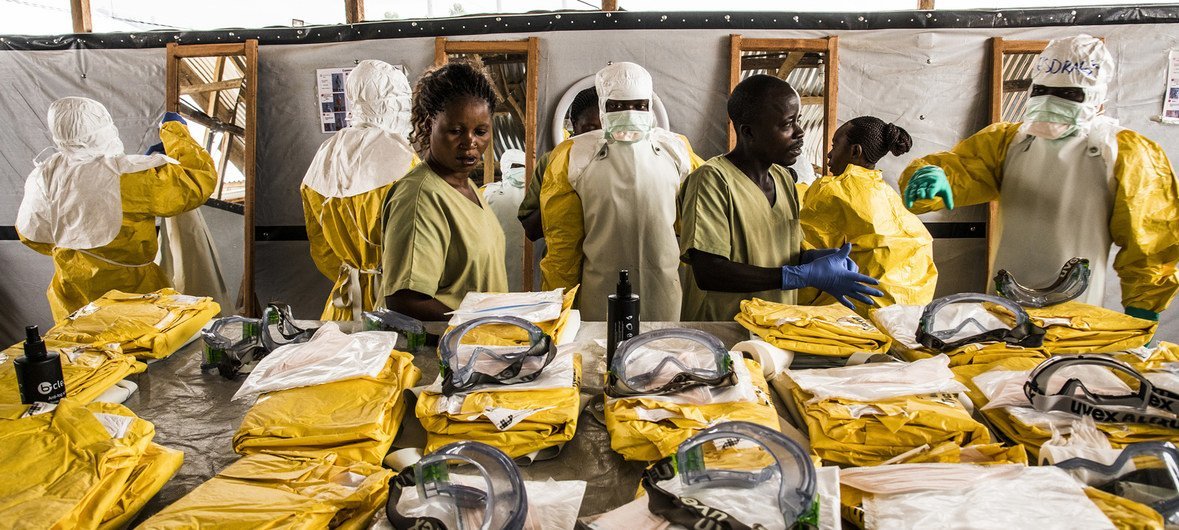
These teams are tasked with setting up mobile diagnostic labs and training local health workers in infection prevention and control. However, the lack of a vaccine for the Bundibugyo strain means that these teams must operate under the highest level of biosafety protocols, further slowing the pace of the intervention.
Breaking News: Regional Instability and Social Media Narratives
As news of the Ebola PHEIC and the trade deal broke, social media platforms were flooded with a mix of official alerts and unverified reports. In Pakistan, the "Cypher No. I-0678" controversy—involving a leaked diplomatic cable—has caused significant political upheaval and legal fallout. Additionally, social media has been rife with "FAFO" (Fast Action, Fast Observation) narratives following a reported encounter between US and Iranian naval vessels. While these reports have gained viral traction, the Department of Defense has not confirmed any "48-hour shift" or escalation of hostilities in the Strait.
Journalists and public health experts have urged the public to rely on verified information from the WHO and CDC. The spread of "misinformation and disinformation" regarding the Ebola virus has been identified as a major hurdle, with some narratives falsely linking the outbreak to lab activities or international military movements. Public health officials stressed that the focus must remain on the ground in Ituri and Uganda, where the window for containing the Bundibugyo strain is rapidly closing.
Historical Context: Ebola in the DRC
The Democratic Republic of the Congo has been the site of numerous Ebola outbreaks since the virus was first identified in 1976. The current event marks the 17th time the nation has faced an Ebola crisis. Past outbreaks, such as the 2018–2020 Kivu outbreak, demonstrated that conflict zones create a "perfect storm" for viral transmission, as trust in government authorities is often low and medical personnel are frequently targeted by armed groups.
The Bundibugyo strain was first discovered in 2007 in the Bundibugyo District of Uganda. While it typically has a lower case-fatality rate than the Zaire strain, its rarity means that the global medical community has less experience in managing large-scale outbreaks of this specific variant. The current suspected death rate in the Ituri province—hovering around 35% based on suspected cases—is a cause for significant concern among epidemiologists.
Conclusion and Outlook
The dual developments of a global health emergency and a major shift in US-China relations define a complex moment in international affairs. For the DRC and Uganda, the coming weeks will be critical in determining whether the Bundibugyo outbreak can be contained within the Ituri province or if it will spread further into urban centers. The WHO's PHEIC declaration serves as a "call to action" for international donors to provide the necessary funding and logistics to support the frontline response.
On the diplomatic front, the Trump-Xi trade agreement provides a stabilizing influence on global markets, yet the underlying "strategic rivalry" suggests that tensions will persist. As the world monitors the laboratory-confirmed case counts and the implementation of agricultural purchase orders, the focus remains on the resilience of global systems in the face of both biological and political challenges.
Ongoing monitoring by the following institutions will be vital for future updates:
- World Health Organization (WHO): Monitoring transmission chains and international spread.
- Centers for Disease Control and Prevention (CDC): Providing technical support and managing domestic exposure risks.
- DRC Ministry of Public Health: Coordinating the ground response in Ituri and Kasai.
- U.S. Department of Commerce: Overseeing the implementation of the new trade quotas and tariff adjustments.
The international community is expected to convene a follow-up donor conference in the coming days to address the funding gaps identified by the WHO for the Ebola response. Meanwhile, the first shipments of American soybeans under the new trade agreement are scheduled to depart from West Coast ports by the end of the month, marking the first tangible results of the Trump-Xi summit.
Comments (0)
No comments yet. Be the first to share your thoughts!