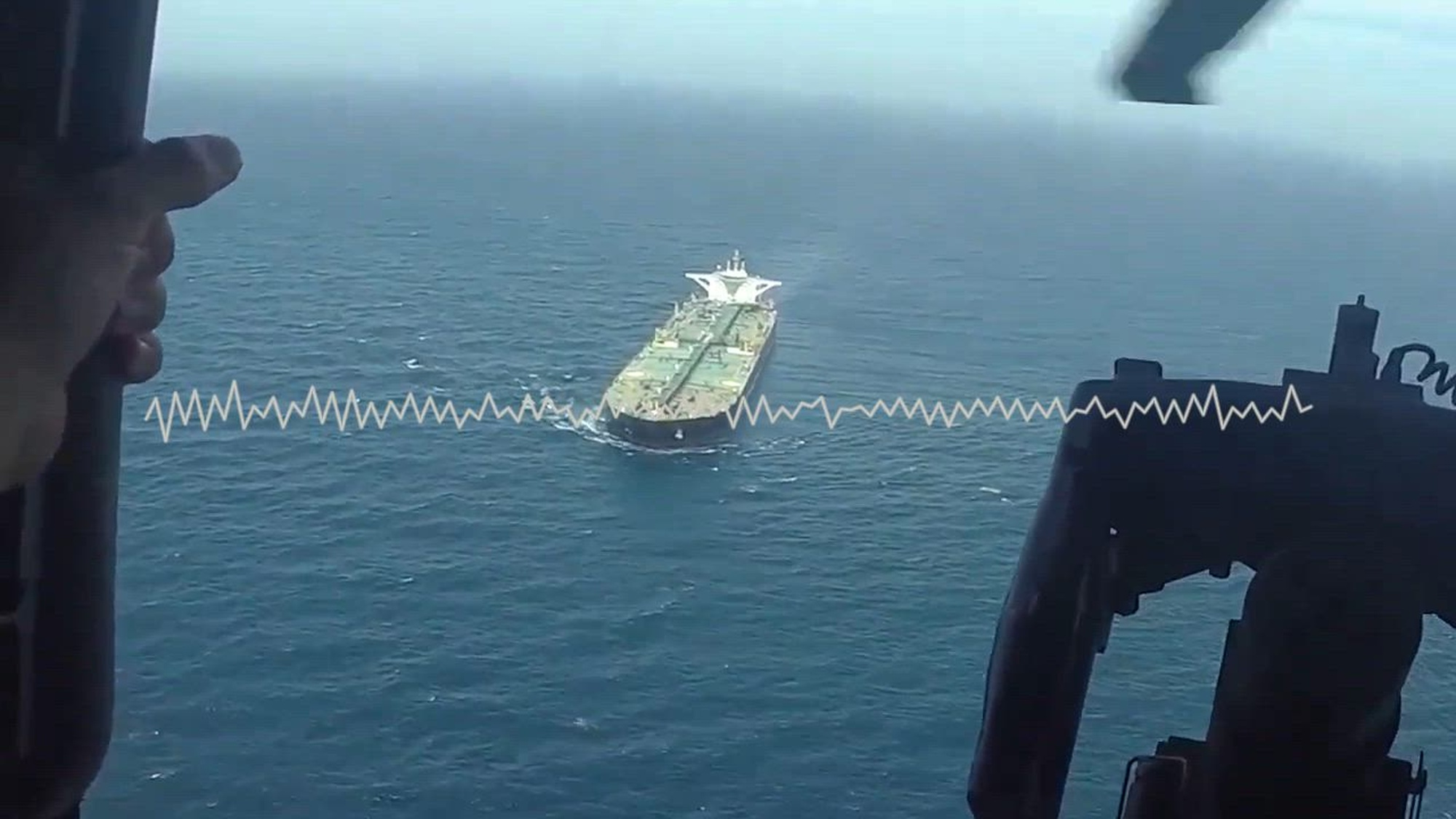
Current State of the Iran-US Conflict
As of July 17, 2026, the geopolitical landscape in the Middle East has transitioned into a state of full-scale regional conflict. Following a series of significant military exchanges throughout early July, the situation has escalated further. Contrary to earlier hopes of a pause in hostilities, the U.S. conducted its sixth consecutive night of airstrikes on July 17. This latest round of engagements included a third wave of strikes on that day which resulted in the collapse of a maritime traffic control tower in the India-backed port of Chabahar, further intensifying the strain on regional stability.
The conflict, which saw a marked intensification in early July 2026, involves multiple regional actors and has disrupted global maritime security. The United States, led by President Donald Trump, has maintained a posture of active military response, issuing "locked and loaded" warnings to Tehran and stating that attacks will "get much worse." This stance follows a period of intense volatility where Iranian forces and U.S. assets engaged in direct fire in mid-June, specifically impacting the strategic interests of both nations and their allies. The U.S. administration has authorized these strikes in retribution for attacks on shipping and allied interests in the region.
Chronology of Key Military and Diplomatic Events
To understand the current tension, it is necessary to examine the sequence of events that led to the present state of full-scale conflict. The following table outlines the significant milestones in the Iran-US conflict over the past few months:
| Date (2026) | Event Type | Description |
|---|---|---|
| June 10-12 | Military | U.S. and Iran exchange fire in the Strait of Hormuz; President Trump warns Iran will "pay the price." |
| June 11 | Maritime | Khatam al-Anbiya Central Headquarters announces a full closure of the Strait of Hormuz. |
| July 7 | Military | U.S. launches strikes against 80 targets in southern Iran to degrade drone and missile capabilities. |
| July 8 | Retaliation | Iran launches missile and drone attacks against U.S. military bases in Kuwait, Bahrain, and Qatar. |
| July 12 | Maritime | The IRGC Navy declares the Strait of Hormuz closed following an incident with an unauthorized vessel. |
| July 17 | Current Status | U.S. conducts sixth consecutive night of strikes; maritime traffic control tower in Chabahar collapsed. |
The Role of the Strait of Hormuz
The Strait of Hormuz remains the primary flashpoint of the conflict. On July 12, 2026, the IRGC Navy declared the waterway closed to maritime traffic following an incident involving an unauthorized vessel. This followed an earlier declaration of a full closure by the Khatam al-Anbiya Central Headquarters on June 11. The shutdown of this vital corridor, through which a significant portion of the world's energy supplies passes, has created severe friction in global maritime logistics.
Secretary of War Pete Hegseth has overseen the U.S. military's defensive and retaliatory actions in the region. Hegseth, who officially uses the title "Secretary of War" per Executive Order 14347 signed on September 5, 2025, has coordinated closely with Central Command. President Trump has asserted that the U.S. will continue to protect its interests following the collapse of previous diplomatic frameworks. The conflict has now expanded beyond localized clashes, with the July 7 strikes on 80 targets in southern Iran and subsequent Iranian missile responses on July 8 marking a definitive end to any interim ceasefire agreements.
Environmental Impact: Canada Wildfires and Air Quality
While international attention is focused on the Middle East, North America is grappling with a significant environmental challenge. Over 800 active wildfires in Canada, primarily in Ontario, have resulted in a massive plume of smoke drifting southward, affecting large swaths of the United States. Residents in the Midwest, the Northeast, and the Ohio Valley have reported a persistent "campfire" smell and a visible orange haze that has obscured skylines and prompted health warnings.
The air quality index (AQI) in several major metropolitan areas, including New York and Cleveland, has reached levels deemed "unhealthy" to "very unhealthy." Health officials have advised residents to limit outdoor activities, as the fine particulate matter (PM2.5) from the smoke can cause eye irritation and respiratory discomfort. The environmental situation has also interfered with large-scale public events.
- Event Cancellations: Outdoor events, including the FIFA Fan Festival and World Cup semi-final broadcasts, have faced cancellations due to hazardous smoke levels and poor visibility.
- FIFA World Cup Preparations: Training sessions and infrastructure projects are being monitored closely. There are specific concerns regarding air quality for the 2026 FIFA World Cup final, scheduled for July 19 at MetLife Stadium in New Jersey.
- Public Health Alerts: Local governments in Ohio and Pennsylvania have issued "code orange" and "code red" alerts, urging residents to stay indoors and use air filtration systems.
Consumer Safety: FDA Warning Regarding Taco Bell
In the realm of consumer safety, the Food and Drug Administration (FDA) and the CDC issued an urgent warning on July 16, 2026. The alert advises consumers in five states—Indiana, Kentucky, Michigan, Ohio, and West Virginia—to avoid shredded iceberg lettuce at Taco Bell restaurants following a cyclosporiasis outbreak. This parasitic infection has been linked to supplier Taylor Farms, which sourced the lettuce from Mexico.
In response to the FDA warning, Taco Bell has voluntarily removed the affected lettuce and other fresh produce, including cilantro-onion, pico de gallo, and guacamole, from its locations in the impacted regions. While the narrative among consumers remains cautious, the situation is being actively managed by regulatory authorities. Health officials recommend that individuals who have consumed the product and are experiencing symptoms of gastrointestinal illness contact their healthcare providers immediately.
Regional Diplomacy and International Response
The international community is reacting to the rapid escalation of friction between the U.S. and Iran. While Canadian officials have focused on domestic issues and trade relations with the U.S., the broader diplomatic community is struggling to find a path toward de-escalation. The conflict has moved beyond the borders of the two primary antagonists, with U.S. assets such as Ali Al Salem Air Base in Kuwait, the Fifth Fleet headquarters in Bahrain, and Al Udeid Air Base in Qatar becoming targets for Iranian drone and missile responses during the retaliatory wave on July 8.
The July 7 strikes, which targeted military sites, and the subsequent July 17 strikes on the Chabahar Port, have led to a cycle of retaliation that shows no signs of abating. The U.S. maintains that its actions are necessary to protect allied interests and ensure the freedom of navigation, while Tehran continues to challenge the U.S. military presence in the Persian Gulf and Indian Ocean.
Summary of Current Tensions
The situation on July 17, 2026, is one of active and escalating conflict. The military infrastructure of both the U.S. and Iran is fully engaged, particularly around the Strait of Hormuz and the southern coast of Iran. Domestically, the U.S. public is contending with the tangible effects of environmental degradation from the Canadian wildfires and a specific food safety alert.
The following points summarize the current status of the three primary narratives:
- Iran-US Conflict: The region is in a state of full-scale conflict. The U.S. has conducted six consecutive nights of strikes, and the Strait of Hormuz remains a closed, high-tension zone following the blockade declared by the IRGC Navy on July 12 and the earlier June 11 declaration by Khatam al-Anbiya.
- Canada Wildfires: Over 800 fires continue to impact air quality across the U.S. Midwest and Northeast, threatening the schedule of the upcoming FIFA World Cup final in New Jersey.
- Taco Bell Alert: The FDA has issued an urgent warning regarding a Cyclospora outbreak linked to shredded lettuce from Taylor Farms in five states; the chain has voluntarily removed the lettuce and several other fresh ingredients.
Journalistic observation suggests that the underlying causes of the June and July escalations remain unresolved, and the transition to full-scale military engagement has superseded previous diplomatic efforts. The coming days will be critical in determining the geographic extent of the conflict and the ability of North American authorities to manage the ongoing environmental and health crises.
Comments (0)
No comments yet. Be the first to share your thoughts!