The Triple Crisis: A World at a Breaking Point
As the second week of 2026 unfolds, the international community finds itself grappling with a historic convergence of geopolitical and environmental crises. In the Middle East, a nationwide uprising in Iran has reached a bloody two-week mark, threatening the foundations of the Islamic Republic as the national currency collapses. In Eastern Europe, the war in Ukraine continues, marked by a drone war of unprecedented scale. Simultaneously, the global climate emergency has shattered records, with extreme weather events that are redefining the "new normal" of planetary instability. These three pillars of global unrest—political revolution, high-tech warfare, and ecological collapse—are increasingly interconnected, creating a volatile landscape for world leaders and civilians alike.
Iran: The Rial Collapse and the "Enemy of God" Decree
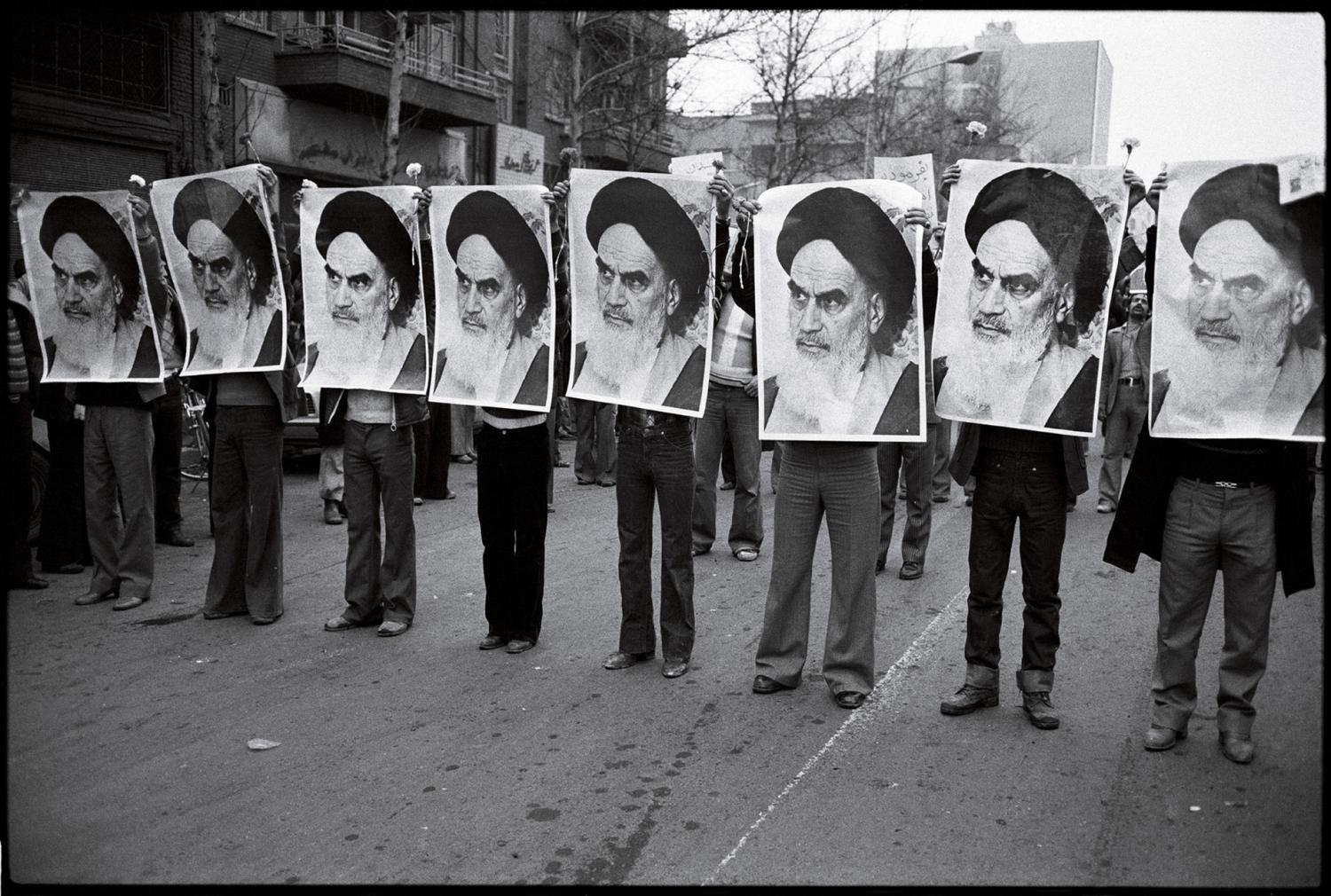
The protests in Iran, which began on December 28, 2025, have evolved from localized grievances over economic mismanagement into a full-scale challenge to the country's theocratic system. As of January 10, 2026, the Human Rights Activists News Agency (HRANA) reported 116 fatalities, though other reports suggest higher numbers as of January 11. Human rights groups reported at least 2,300-2,500 individuals have been detained across numerous cities, though the true number is likely significantly higher. The catalyst for this latest wave of unrest was the catastrophic collapse of the Iranian rial, which hit an all-time low of approximately 1.455 million to the U.S. dollar this week. This represents a staggering loss of value; for comparison, the rial traded at approximately 70 to the dollar prior to the 1979 Revolution and 32,000 during the 2015 nuclear deal.
The Iranian government’s response has been one of systematic escalation. To prevent the coordination of protests and to obscure the scale of the crackdown, authorities implemented a sweeping internet and phone blackout on January 8. Despite these measures, footage continues to emerge showing widespread demonstrations and defiance.
The humanitarian situation within Iranian cities is reportedly dire. Reports indicate severe injuries among protesters. Reports indicate that 110 bodies were transferred to hospitals in Rasht and Tehran combined during January 8-9, 2026.
Ukraine: The War Continues
While Iran burns, the war in Ukraine continues to escalate in technological intensity and humanitarian cost. On January 11, 2026, the conflict continued, marked by escalating technological intensity. The scale of the drone war has reached staggering proportions. Ukraine has responded with its own long-range strikes, targeting Russian infrastructure. The conflict has become a war of attrition where the stability of the power grid is as much a frontline as the trenches of the Donbas.
Geopolitically, the war in Ukraine is increasingly linked to the unrest in Iran. Even as Tehran faces domestic collapse, it continues to participate in a "collective resolve" with its allies. This week, South Africa hosted naval drills involving Russia, Iran, and China, a move that underscores the formation of a rival bloc to Western influence. This "Axis of Resistance" and its partners remain a significant factor in the prolongation of the war, even as the Iranian regime's internal grip begins to slip. Ukrainian President Volodymyr Zelenskyy, meanwhile, continues daily communication with Washington, seeking a framework to end the war amid fears of "peace agreement" terms that might favor Moscow.
Climate Emergency: The New Normal
Underpinning these political and military conflicts is the accelerating climate emergency, which has reached a critical tipping point in early 2026. The real-world impacts of this warming are being felt acutely this week, with extreme weather events, particularly in the United States, causing significant economic costs and raising concerns about human impacts globally.
The climate crisis is not merely a background issue; it is a driver of the economic instability seen in places like Iran. Resource scarcity, failed harvests, and the rising cost of energy—exacerbated by both the Ukraine war and environmental degradation—are contributing to significant economic instability and rising prices in Iran. The convergence of these factors suggests that the "climate emergency" is now a permanent feature of global security, influencing everything from migration patterns to the stability of national currencies.
The Interconnected Future: A Journalistic Outlook
As we look toward the remainder of 2026, the primary challenge for the global community is the interconnected nature of these crises. The collapse of the Iranian rial and the subsequent uprising are not isolated events; they are the result of decades of sanctions, corruption, and a global energy market disrupted by the war in Ukraine. Similarly, the ability of the international community to address the climate emergency is severely hampered by the diversion of trillions of dollars toward military spending and the fragmentation of global cooperation into competing blocs.
The events of January 11, 2026, serve as a stark reminder that the "inverted pyramid" of global stability is increasingly top-heavy. At the base of the crisis are the millions of civilians in Tehran, Kyiv, and the climate-vulnerable regions of the Global South who are bearing the brunt of these systemic failures. Whether it is a protester facing an "enemy of God" charge, a family in Kyiv huddled in an unheated apartment, or a farmer watching their livelihood burn, the human cost of 2026 is already being written in the streets and on the frontlines. The coming weeks will determine if the current systems of global governance can adapt to this triple emergency, or if the world is entering a period of prolonged and irreversible fragmentation.
Tail: Historical Context and Statistical Summary
For historical context, the current Iranian protests are the most significant since the 2022 "Woman, Life, Freedom" movement, yet they are distinct in their immediate economic trigger and the level of international tension involving the U.S. and Israel. The Ukraine war has fundamentally reshaped European security and accelerated the transition toward drone-based warfare. On the environmental front, the climate crisis continues to intensify.
Comments (0)
No comments yet. Be the first to share your thoughts!