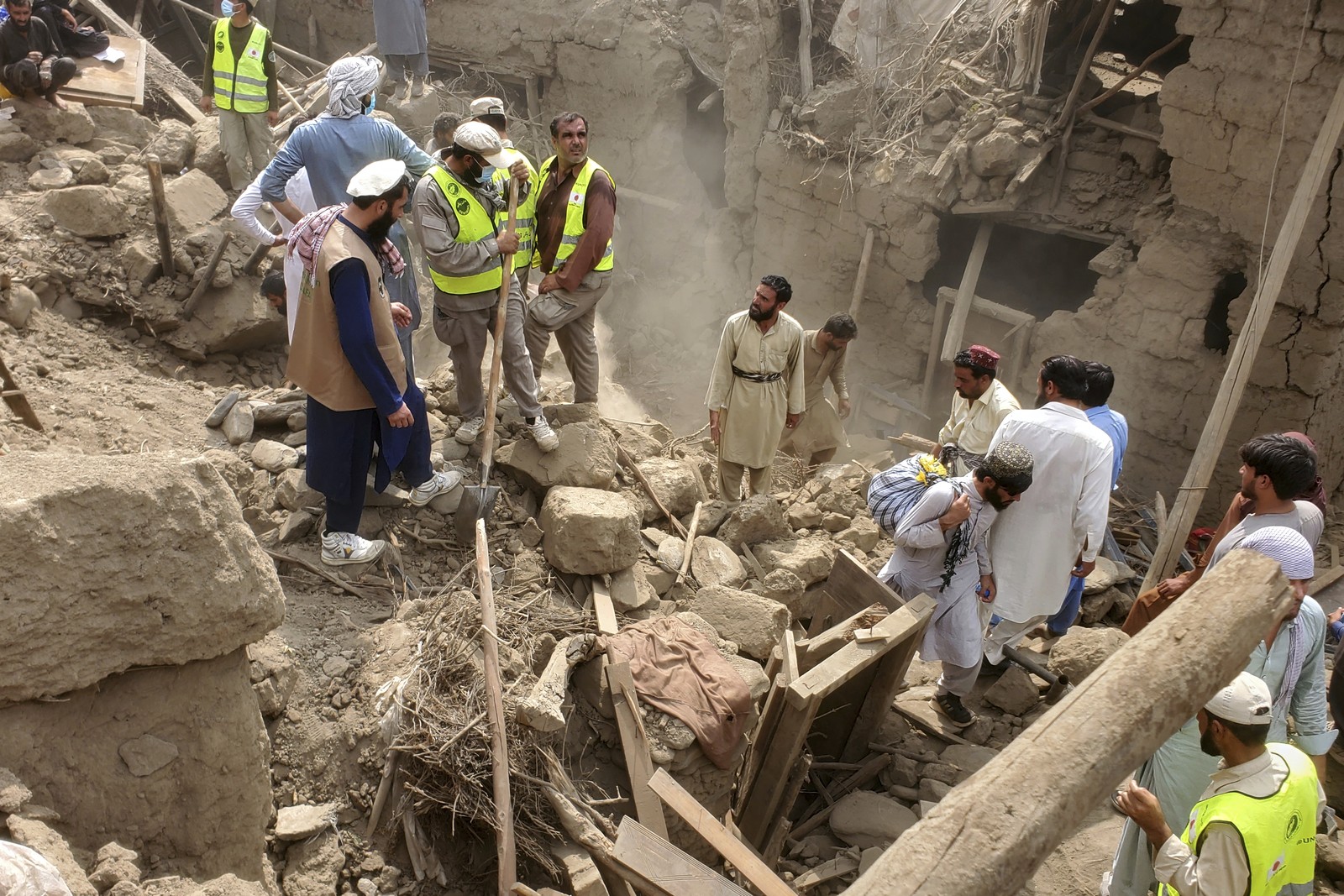
Casualties and Impact in Afghanistan Following Devastating 2025 Earthquakes
A humanitarian crisis unfolded in eastern Afghanistan following a significant magnitude 6.0 earthquake that struck the region on Sunday, August 31, 2025. The seismic event, which occurred near the border with Pakistan, resulted in a staggering loss of life and widespread destruction of infrastructure. Search-and-rescue teams faced significant challenges reaching remote mountainous villages that were cut off by debris and landslides in the days following the disaster.
Taliban spokesman Hamdullah Fitrat provided a comprehensive update on the situation on September 4, 2025, confirming that the number of fatalities had risen to 2,205. Furthermore, at least 3,640 individuals were recorded as injured, with many in critical condition. The earthquake’s epicenter was identified near Jalalabad, with a shallow depth of approximately 8 to 10 kilometers. This proximity to the surface was cited by geologists as a primary factor for the high level of surface destruction, as shallow quakes release more energy directly into structures and the ground surface.
The impact was particularly severe in Kunar province, where several towns bore the brunt of the initial shock. Local officials and international observers highlighted the following areas as being among the most heavily affected:
- Nur Gul: Reports indicated substantial leveling of residential structures.
- Soki: Significant casualties reported due to the timing of the quake, which struck while many residents were indoors.
- Watpur: Landslides in this area complicated the arrival of emergency supplies.
- Manogi: Extensive damage to local clinics and schools.
- Chapadare: Remote hamlets in this district remained a focus for aerial rescue operations.
Secondary Seismic Events and Regional Impact
The stability of the region was further challenged on Thursday, September 4, 2025, when a new 5.6 magnitude earthquake struck eastern Afghanistan. This secondary quake complicated ongoing rescue efforts and increased the psychological impact on a population already reeling from the August 31 disaster. Emergency responders expressed concerns that the subsequent tremors caused further collapses of already weakened buildings.
In a separate development later that year, northern Afghanistan was struck by a 6.3 magnitude earthquake near Mazar-e Sharif in November 2025. This northern event resulted in at least 20 deaths and over 530 injuries. Beyond the immediate casualties, the November quake triggered a nationwide power outage. Transmission lines delivering electricity from Uzbekistan and Tajikistan were severed, plunging major urban centers, including the capital city of Kabul, into darkness during the critical first hours of the emergency response.
The vulnerability of Afghan housing played a central role in the high casualty rates across both major 2025 events. In much of eastern and northern Afghanistan, homes are traditionally constructed from wood and mud brick. These materials offer very little resistance to the lateral forces generated by significant earthquakes. The shallow nature of the August 31 event meant that these structures were subjected to intense shaking that led to immediate structural failure.
Summary of 2025 Seismic Activity and Human Toll
| Location | Date | Magnitude | Confirmed Dead | Confirmed Injured | Primary Impact |
|---|---|---|---|---|---|
| Jalalabad / Eastern Region | August 31, 2025 | 6.0 | 2,205 | 3,640 | Widespread structural collapse; Kunar province devastated. |
| Mazar-e Sharif / Northern Region | November 2025 | 6.3 | 20 | 530 | Nationwide power grid failure; infrastructure damage. |
| Eastern Afghanistan | September 4, 2025 | 5.6 | Under Assessment | Under Assessment | Aftershocks affecting rescue and recovery efforts. |
Diplomatic Discourse: High-Level Meetings in Bürgenstock
In June 2026, the international diplomatic community focused its attention on a series of high-level meetings at Bürgenstock, Switzerland. These discussions, involving U.S. and Iranian delegations, were aimed at regional stability and economic de-escalation. On June 21, 2026, U.S. Vice-President J.D. Vance met with Swiss Foreign Minister Ignazio Cassis at the venue to discuss the ongoing dialogue.
Reports emerging from the diplomatic circles in Switzerland suggest that the primary focus of these talks involves the de-escalation of tensions and the potential for stabilizing international commodity markets. Observers have noted a specific impact on the prices of oil and gold, which have shown signs of softening as rumors of progress in these discussions circulate. Financial analysts suggest that the presence of delegations in a neutral venue has provided a degree of relief to markets that had previously been pricing in higher geopolitical risks.
The discourse surrounding these talks has included significant focus on diplomatic protocol and the optics of the meetings. Social media analysis and reports from observers indicate a focus on the US delegation's waiting times and the specific nature of handshakes between representatives. Within the United States, the involvement of J.D. Vance reflects a broader domestic debate over the efficacy of current foreign policy strategies and the administration’s approach to these high-stakes negotiations.
Market Reactions to Diplomatic Developments
The economic ramifications of the June 2026 Switzerland meetings have been immediate. While no formal agreements have been announced, the sentiment of de-escalation has influenced several key sectors:
- Energy Markets: Crude oil prices have seen a measurable drop, attributed by traders to the perceived lowering of tension in oil-producing regions.
- Precious Metals: Gold, often viewed as a "safe haven" asset, has experienced a decline in demand as investors pivot toward more risk-on positions following the news of diplomatic engagement.
- Currency Stability: Regional currencies have shown varied responses, with some stabilizing against the dollar as the threat of immediate conflict appears to recede in the short term.
FIFA World Cup: Global Sports Engagement and Highlights
In the realm of international sports, the FIFA World Cup 2026 continues to capture the attention of a global audience. One of the primary narratives of the tournament involves the historic performance of Egypt. In a recent match at BC Place in Vancouver, Egypt secured a 3-1 victory over New Zealand, marking their first-ever win in a FIFA World Cup tournament.
The match featured a standout performance by Mo Salah, whose contributions were hailed as "magical" by fans and commentators. Salah scored in the 67th minute to put Egypt ahead 2-1 and later provided the assist for Trézéguet to seal the final goal. This victory has solidified Salah’s status as a central figure in the tournament’s narrative, drawing significant viewership from both the Middle East and the global football community.
Other notable developments in the FIFA World Cup cycle include:
- Norway vs. Senegal: This highly anticipated matchup is scheduled for 8:00 PM ET later today, June 22, 2026, at MetLife Stadium. The team lineups and strategic adjustments for this European-African clash are currently the subject of intense analysis by sports pundits.
- Historical Trivia and Legends: The tournament has served as a platform for reliving iconic moments, with frequent references to the legacy of Lionel Messi and other legends sparking nostalgic discussions among fans.
- Fan Engagement: Official updates and social media highlights have reached record numbers, with fans participating in polls and live discussions regarding match outcomes and player statistics.
Technical Analysis of the Afghanistan Seismic Events
Returning to the seismic activity in Afghanistan, geologists have provided context on why the region is so prone to such devastating events. The Hindu Kush mountain range sits at the junction of the Eurasian and Indian tectonic plates. The ongoing northward movement of the Indian plate against the Eurasian plate creates immense pressure, which is periodically released in the form of earthquakes.
The magnitude 6.0 event near Jalalabad in August 2025 was notable for its shallow depth of 8-10 kilometers. Most earthquakes in the Hindu Kush are "deep-focus" events, occurring more than 70 kilometers below the surface. While deep-focus quakes can be felt over a wide area, they generally cause less surface damage. The shallow nature of the 2025 Jalalabad quake resulted in more violent ground shaking and immediate structural failure of local infrastructure.
The subsequent 6.3 magnitude quake near Mazar-e Sharif in November 2025 further illustrated the complexity of the region's fault lines. The resulting power outages highlighted a critical vulnerability in Afghanistan’s infrastructure: its heavy reliance on imported energy from neighboring Central Asian states. When transmission lines are damaged in remote areas, the entire national grid can become unstable, complicating both daily life and emergency relief operations.
The Humanitarian Response and Future Outlook
The humanitarian response to the 2025 earthquakes was a race against time, particularly with winter approaching the high-altitude regions of Kunar and the Hindu Kush. The Taliban administration, through officials like Hamdullah Fitrat, called for international assistance, noting that the scale of the destruction exceeded the country's internal capacity for disaster management.
International aid organizations mobilized despite significant logistical hurdles, including mountainous terrain, damaged roads, and power outages. As the international community continues to monitor the long-term recovery in Afghanistan, the parallel tracks of diplomacy in Switzerland and the celebration of the FIFA World Cup in June 2026 provide a stark contrast to the grim reality of reconstruction still facing devastated communities in Jalalabad and Mazar-e Sharif.
The coming weeks will be critical for these global events. In Switzerland, the diplomatic community will see if the "cautious optimism" of the June meetings can be translated into concrete policy shifts. Meanwhile, in the stadiums of the FIFA World Cup, the tournament will progress toward its final stages, including today's matchup between Norway and Senegal, continuing to provide a source of global unity and entertainment amidst a complex international landscape.
Comments (0)
No comments yet. Be the first to share your thoughts!