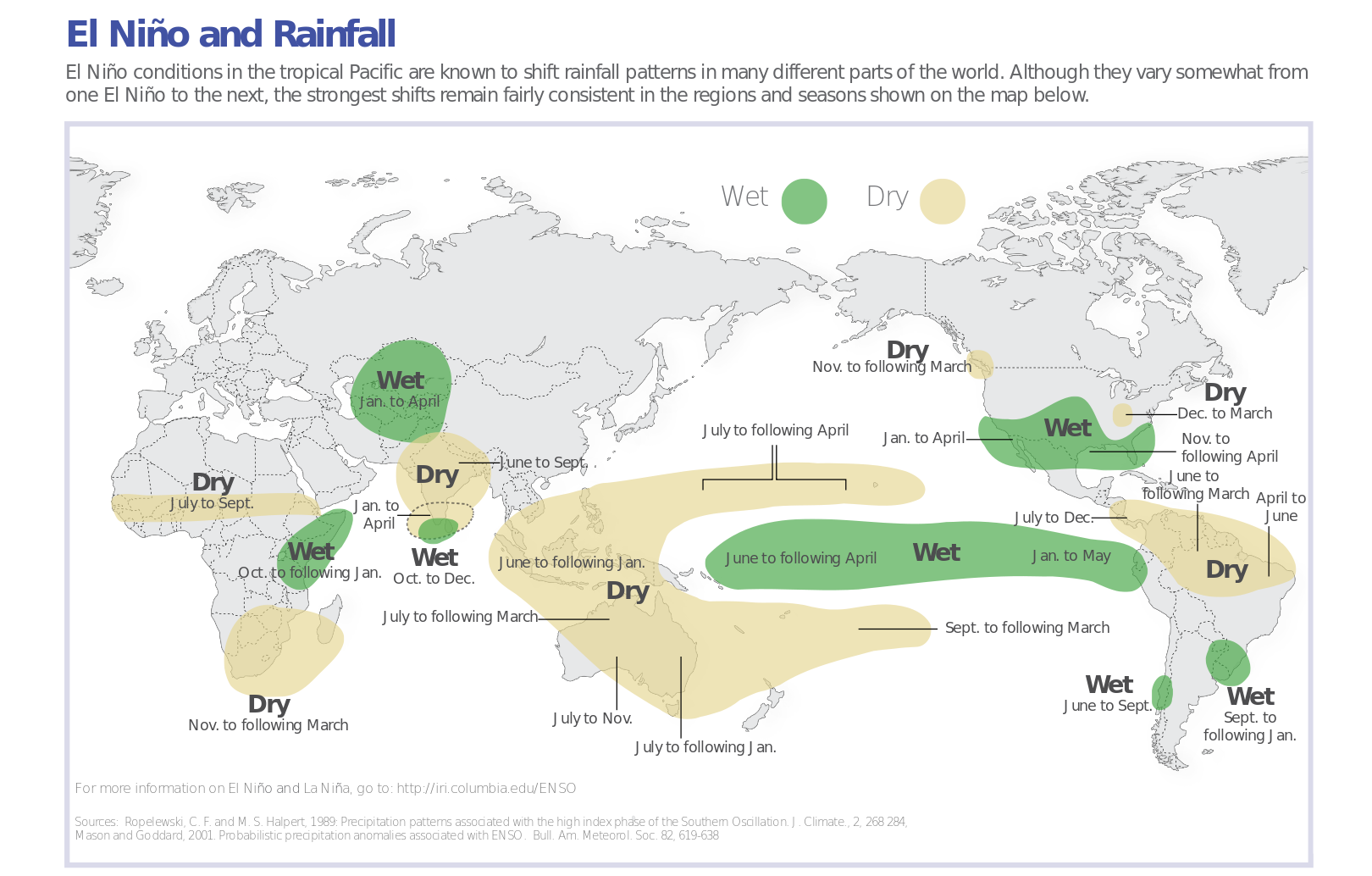
The World Meteorological Organization issued a stark warning stating that a rapidly intensifying El Niño climate pattern could develop into one of the strongest events recorded since observations began in 1950. The update, released following meteorological assessments, highlights the potential for major disruptions to global temperatures and rainfall distributions over the coming months.
According to the World Meteorological Organization, tropical Pacific sea-surface temperatures are projected to reach record levels through the final quarter of the year, with the peak anticipated around December. The agency has calculated the probability of the El Niño conditions persisting through February 2027 at nearly 100 percent. World Meteorological Organization Secretary-General Celeste Saulo stated that the climate driver is firmly established and strengthening at an accelerated pace.
Projections indicate significant sea-surface-temperature anomalies during the final months of the year, substantially altering global atmospheric circulation and creating conditions for unusually high temperatures, heavy precipitation in specific regions, severe drought elsewhere, and heightened risks associated with extreme weather phenomena.
Despite the consensus on the event's intensification, international weather agencies have noted methodological variations in assessing its absolute ranking. Japan’s meteorological authorities have categorized the current conditions as the strongest observed within their specific regional reference indices. Conversely, forecasters in the United States have maintained that the event has not yet definitively surpassed every historical benchmark in their distinct observational records. Climate scientists emphasize that different monitoring bodies utilize unique baselines and indices, meaning a definitive historical ranking will only be established after the climate cycle reaches maturity and concludes.
The latest advisory prompts heightened preparedness across multiple sectors through the remainder of the year and into early next year. Governments and disaster management agencies are focusing mitigation efforts on potential hazards including extreme heatwaves, inland flooding, agricultural drought, shifts in tropical cyclone tracks, wildfire vulnerabilities, and marine heatwaves. This developing Pacific climate pattern also follows an exceptionally warm global temperature record set in August, a factor scientists expect will compound the environmental effects of the ongoing El Niño.
Comments (0)
No comments yet. Be the first to share your thoughts!