Introduction to Multi-Theater Global Developments
International affairs span multiple complex theatres, characterized by escalating security challenges in the Middle East, structural and leadership modifications within Eastern Europe, and novel legislative interventions in Western Europe. As diplomats, military commanders, and civil authorities navigate these overlapping developments, global institutions face severe tests regarding policy enforcement, security management, and digital governance. This report examines the primary updates concerning the ongoing security crisis involving the United States and Iran, structural shifts within the ongoing war in Ukraine, and France's legislative rollout restricting social media access for minors.
US-Iran Conflict and Regional Strains
The confrontation between the United States and Iran has entered a critical phase, marked by continuous military engagements, diplomatic friction, and maritime choke-point disruptions. Tensions intensified following announcements from Iran’s Khatam al-Anbiya Central Headquarters declaring the closure of the Strait of Hormuz to maritime traffic, a move attributed by Tehran to alleged ceasefire violations involving U.S. and Israeli actions [1]. This development has directly impacted regional navigation and triggered secondary economic concerns globally.
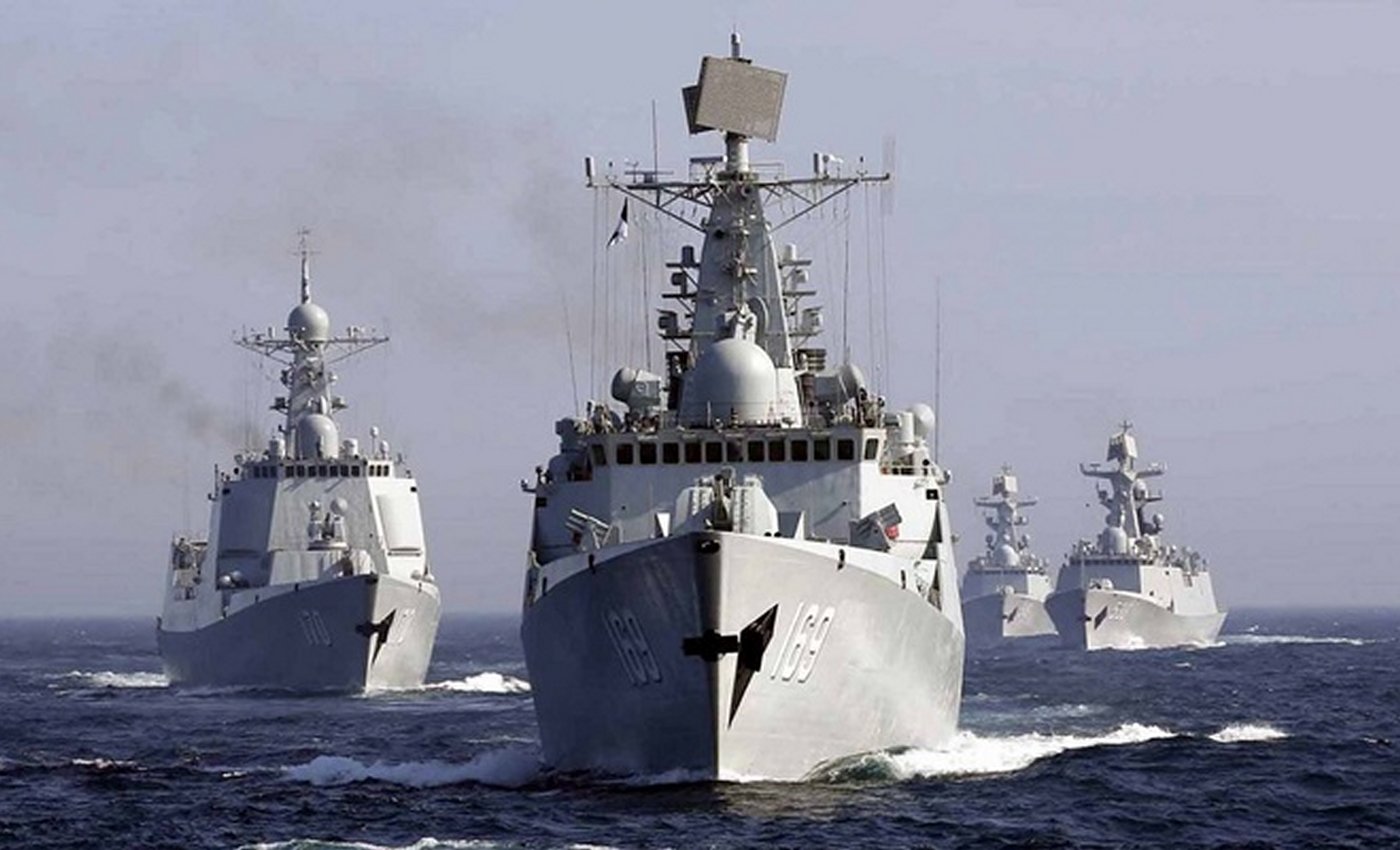
Simultaneously, military operations have expanded across multiple fronts. U.S. Central Command executed targeted strikes focusing on Iranian military surveillance, communication networks, and air-defense installations following retaliatory drone and missile launches targeting regional neighbors, including Bahrain, Kuwait, and Jordan [3, 5]. Defense officials reported engagements across several consecutive nights of aerial activity, while reports noted significant casualties within Iran during the initial phases of intensive hostilities [4]. Concurrently, reports indicated that a U.S. submarine engaged and sank an Iranian warship in the Indian Ocean [4], further straining maritime security parameters.
Diplomatic Channels and Interim Negotiations
Despite active hostilities, diplomatic channels remain open through indirect mediators. Reports from international observers outline that diplomatic engagement involves regional intermediaries, such as Pakistan, relaying communications between Washington and Tehran as Iranian leadership assesses ongoing U.S. proposals [2]. U.S. Vice President JD Vance has assumed a major negotiating role within the administration's broader diplomatic strategy [1].
However, these diplomatic efforts face severe strains. While reports previously highlighted discussions surrounding interim diplomatic frameworks—notably noted as rare formal engagements between the nations—recent escalations and retaliatory strikes have repeatedly threatened talks. U.S. leadership has maintained firm positions regarding compliance parameters, emphasizing that military operations will continue if conditions are unmet [3].
| Operational Theater / Actor | Key Reported Activity | Primary Strategic Implication |
|---|---|---|
| Strait of Hormuz | Announced closure by Iranian command; continuous maritime surveillance targets. | Disruption of critical shipping lanes and commercial transit. |
| U.S. Central Command | Targeted strikes on radar, communication, and air-defense infrastructure. | Systematic degradation of Iran's military coordination capabilities. |
| Regional States (Gulf) | Impacted by retaliatory drone and missile vectors. | Broadening security alerts across neighboring allied territories. |
Ukraine War: Leadership Shifts and Operational Realities
Shifting focus to Eastern Europe, the war in Ukraine continues to experience intense attrition alongside notable domestic administrative changes. In a major command restructuring, Ukrainian leadership dismissed military chief Oleksandr Syrskyi amid ongoing public and institutional pressures, appointing a reform-oriented successor tasked with streamlining strategic decisions and increasing battlefield accountability.
On the ground, active combat operations persist along eastern frontlines. Analytical updates caution against framing territorial adjustments as reciprocal swaps, emphasizing ongoing Russian territorial advancements in eastern sectors [cite: #UkraineWar]. Civilian populations continue to bear the immediate humanitarian toll, with daily updates detailing casualties resulting from continuous shelling and targeted infrastructure strikes. In response, Ukrainian forces have sustained long-range drone operations directed at military and energy logistics infrastructure within Russian territory.
- Administrative Action: Dismissal of military chief Syrskyi to introduce reform-minded command structures.
- Frontline Dynamics: Persistent ground clashes and sustained Russian territorial pressure in eastern sectors.
- Asymmetric Response: Continued deployment of long-range unmanned aerial systems targeting logistics and supply hubs.
France Implements Social Media Restrictions for Minors
In Western Europe, domestic policy discussions are heavily shaped by digital regulation. France has formally implemented its legislative ban prohibiting social media access for children under the age of 15, a policy designed to enhance youth protection online. The initiative has sparked widespread public debate regarding enforcement mechanisms, parental responsibilities, and the technological feasibility of age-verification protocols.
Public opinion polls and civic discussions indicate a divided sentiment. While proponents view the measure as a vital safeguard against digital harms, critics characterize aspects of the policy as coordination theater, noting the inherent difficulties in enforcing digital boundaries across decentralized platforms without robust, universally accepted verification tools. Legal and technological analysts continue to monitor how compliance will be managed by major technology firms operating within the European Union.
Conclusion and Outlook
The convergence of active military escalations in the Middle East, ongoing attritional warfare in Ukraine, and novel digital regulatory policies in Europe highlights a complex global landscape. As international stakeholders attempt to balance security imperatives, diplomatic negotiations, and domestic legislative mandates, the outcomes of these multi-faceted developments will heavily influence geopolitical stability and regional governance for the foreseeable future.
Comments (0)
No comments yet. Be the first to share your thoughts!