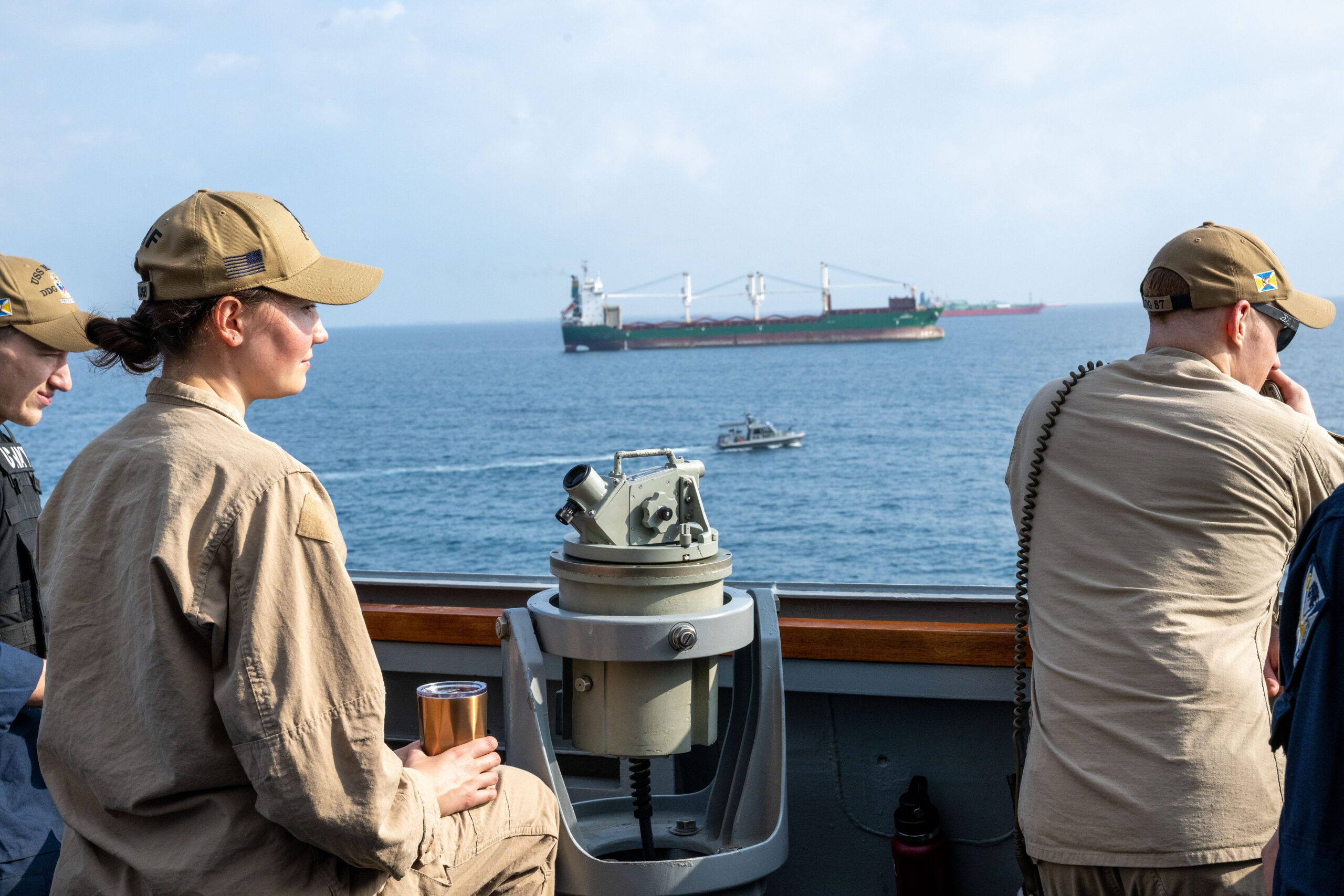
Executive Summary: The 48-Hour Shift in the Strait
As of May 8, 2026, the Strait of Hormuz remains under a state of significant maritime tension following the conclusion of the U.S. military operation "Project Freedom." The operation, which was launched on Monday, May 4, aimed to protect commercial shipping and ensure freedom of navigation in the strategic waterway, but was halted by the Trump administration late Wednesday night, May 6. The cessation of active hostilities has transitioned the situation into a diplomatic phase, with Tehran currently reviewing a U.S.-led proposal to end the conflict. Despite the pause in military maneuvers, a functional blockade of the strait remains in place, continuing to disrupt roughly 20% of the world's seaborne oil trade—a massive disruption to the world energy supply—along with critical commodities including liquefied natural gas (LNG).
The domestic impact of the 48-hour engagement has been immediate. Data from AAA indicates that U.S. gasoline prices reached a national average of $4.546 per gallon by May 8, a development that has coincided with a decline in presidential approval ratings. In response to these economic pressures, domestic focus has shifted toward mitigating the impact on the energy sector, which is heavily reliant on the disrupted supply chains originating from the Persian Gulf.
Chronology of "Project Freedom"
The military initiative began on the morning of May 4, 2026. Secretary of Defense Pete Hegseth characterized the operation as an effort to ensure "freedom of navigation" and "strengthen U.S. leverage" within the Strait of Hormuz, a conduit that handles a significant portion of the world's total oil consumption. The operation was a major undertaking, involving approximately 15,000 U.S. personnel and over 100 aircraft. The initial phase, briefed by Hegseth and the Chairman of the Joint Chiefs of Staff, saw U.S. naval assets successfully guiding two U.S.-flagged commercial vessels through the strait. This passage was contested by Iranian naval forces utilizing small-craft tactics.
According to Department of Defense reports, the engagement resulted in the sinking of half a dozen Iranian fast boats that attempted to harass the convoy. Iran responded by launching a series of ballistic missiles, cruise missiles, and drone attacks. While the most direct military confrontation between the two nations occurred during the operation's window, it followed Iranian strikes on May 4, 2026, which targeted strategic locations within the United Arab Emirates (UAE), specifically the Fujairah oil facilities. The intensity of the exchange marked a significant escalation in the region, though the operational window for "Project Freedom" was ultimately limited to less than 48 hours.
By the night of May 6, President Trump announced the suspension of "Project Freedom." The administration cited progress in preliminary diplomatic discussions as the primary reason for the halt. While the active naval offensive has ended, the strategic posture in the region remains one of high alert as both sides await a formal response to the proposed terms of de-escalation.
Economic Disruption and Commodity Markets
The volatility in the Strait of Hormuz has had a profound effect on global and domestic markets. The removal of a significant portion of global oil from the supply chain has created an immediate deficit. The strait remains a primary artery for the export of crude oil and liquefied natural gas (LNG), both of which are essential to modern industrial operations. The crisis has significantly tightened global energy supplies and impacted logistical routes through the region.
The following table outlines the specific impacts on key sectors as of May 8, 2026:
| Commodity/Metric | Reported Impact | Primary Sector Affected |
|---|---|---|
| Crude Oil | Effective closure of strait (approx. 20% of seaborne trade) | Global Energy Markets |
| U.S. Gasoline (Avg) | $4.546 per Gallon (AAA Data) | Consumer Transportation |
| Liquefied Natural Gas (LNG) | Significant Export Delays | Power Generation / Heating |
The disruption of energy exports is of particular concern to global markets. As the crisis continues, the lack of consistent energy inputs could lead to further inflationary pressure on consumer goods and services. The interruption of transit through the strait poses a continued risk to global supply chains that require stable access to Persian Gulf energy resources.
Diplomatic Status and Iranian Response
The current state of the conflict is defined by a "wait-and-see" approach. The U.S. proposal, the details of which remain largely confidential, is intended to provide a framework for the permanent cessation of hostilities in the strait and the restoration of commercial transit. Iranian officials have confirmed they are reviewing the document, but have not yet committed to its terms. This transition to a diplomatic phase follows the rapid conclusion of the kinetic phase of "Project Freedom."
The blockade, maintained through a combination of Iranian coastal batteries and naval presence, continues to deter commercial shipping from entering the waterway without significant insurance premiums or military escort. The U.S. decision to halt "Project Freedom" has been met with mixed reactions domestically. While some analysts suggest the pause avoids a wider regional escalation, others point to the continued economic pressure of the $4.546 gas price and the declining approval ratings of the administration as evidence of the high cost of the current stalemate.
Logistical Challenges in the Strait
The Strait of Hormuz is a narrow chokepoint with restricted shipping lanes, making the area highly susceptible to the type of asymmetric warfare seen during the May 4-6 engagement. The use of speedboats and drones by Iranian forces allows for rapid harassment of large tankers, which have limited maneuverability.
The following list details the tactical challenges currently facing maritime commerce in the region:
- Insurance Premiums: Maritime insurance rates for vessels transiting the Gulf have surged due to the blockade and military activity, leading to significant price increases and market restrictions.
- Escort Availability: While "Project Freedom" demonstrated the ability of the U.S. Navy to escort vessels, the scale required to protect the full volume of daily transit is currently beyond available regional assets.
- Retaliatory Risks: The attacks on UAE infrastructure, including the Fujairah oil facilities on May 4, indicate that the conflict has the potential to affect land-based energy assets in neighboring countries.
Conclusion and Outlook
As of May 8, the situation in the Strait of Hormuz remains the most significant factor influencing global commodity markets. The transition from the kinetic engagement of "Project Freedom" to the current diplomatic review process has provided a temporary reprieve from active combat, but has not yet restored the flow of essential energy goods. The $4.546 national gas price average continues to serve as a primary indicator of the crisis's impact on the American public.
The outcome of the current diplomatic proposal will determine whether the blockade is lifted or if the region will face a prolonged period of maritime instability. In the interim, domestic efforts will likely continue to focus on managing the local economic consequences of a global supply chain under duress. Journalistic monitoring of the situation remains focused on Tehran's formal response and any further shifts in U.S. naval posture in the Persian Gulf.
Comments (0)
No comments yet. Be the first to share your thoughts!