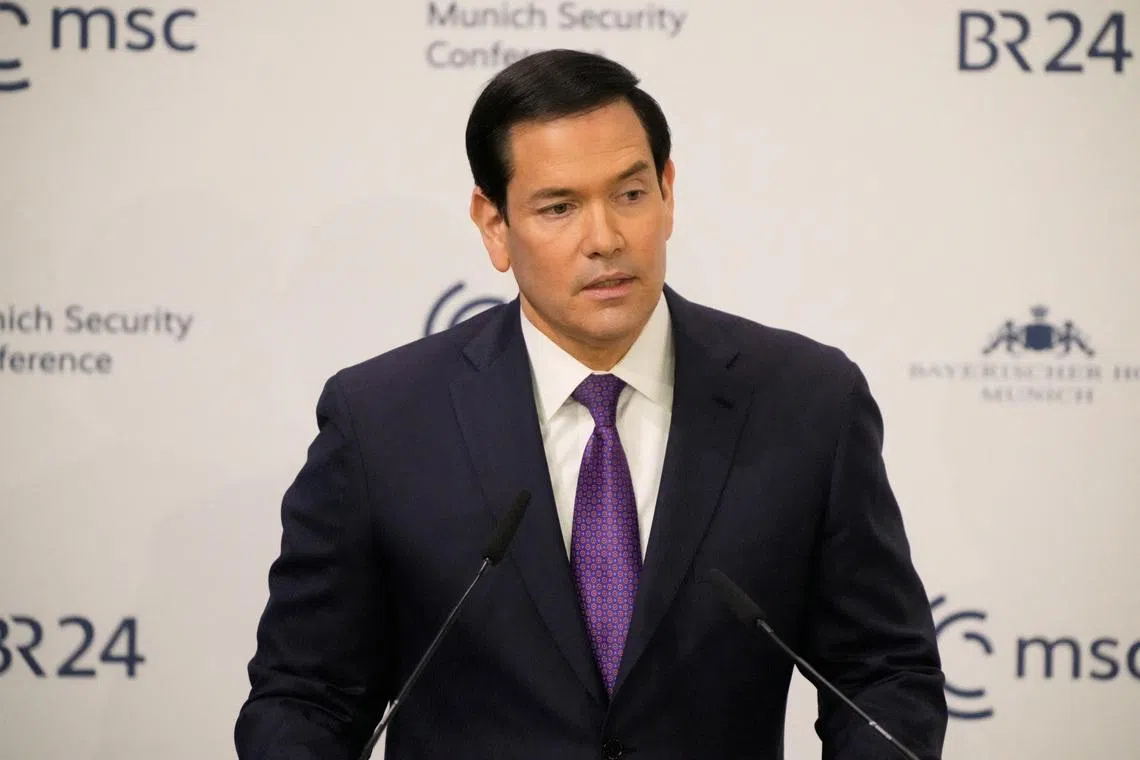
The Conclusion of MSC 2026: A Pivotal Moment for Transatlantic Security
The 62nd Munich Security Conference (MSC 2026) concluded on February 15, 2026, leaving the international community at a critical juncture regarding the future of European stability and the ongoing conflict in Ukraine. Held at the historic Hotel Bayerischer Hof and the Rosewood Munich, the three-day summit served as the primary stage for a high-stakes diplomatic encounter between U.S. Secretary of State Marco Rubio and Ukrainian President Volodymyr Zelenskyy. As the war approaches its fourth anniversary, the conference was defined by a palpable tension between Ukraine’s urgent demand for ironclad security guarantees and a shifting U.S. foreign policy landscape under the current administration.
The conference, which brought together heads of state, defense ministers, and intelligence officials, focused heavily on the "stalled" nature of peace negotiations. While the U.S. delegation, led by Secretary Rubio, emphasized a "pragmatic" approach to ending the hostilities, the Ukrainian leadership used the platform to remind the world of the staggering human and material costs of the conflict. The dialogue in Munich suggests a transition from the "as long as it takes" rhetoric of previous years toward a more transactional and diplomacy-focused framework, though significant hurdles remain in reconciling Kyiv’s sovereignty with Moscow’s territorial ambitions.
The Rubio-Zelenskyy Meeting: High Stakes and Strategic Anticipation
At the heart of the weekend’s proceedings was the meeting between Secretary of State Marco Rubio and President Zelenskyy. Throughout the conference, Zelenskyy expressed a cautious optimism regarding the engagement, noting that Ukraine remains in contact with key figures in the U.S. administration. On February 14, Zelenskyy held productive phone discussions with Steve Witkoff and Jared Kushner, expressing hope that the upcoming diplomatic engagements would yield concrete results. The Ukrainian President explicitly stated his hope that the U.S. Congress and the American people would stand behind the security guarantees currently being drafted.
Observers at the conference noted that the "Rubio-Zelenskyy" dynamic represents a new chapter in U.S.-Ukraine relations. While the U.S. remains a primary benefactor, the narrative in Munich shifted toward preparing for a "Geneva round" of trilateral negotiations scheduled for February 17-18. Zelenskyy emphasized that Ukraine has strong agreements ready to sign with the U.S. and with Europe, but he remained adamant that these must not lead to a repeat of past diplomatic failures, specifically citing the 1994 Budapest Memorandum and the 2014-2015 Minsk Agreements. For Kyiv, any ceasefire without robust international protection is viewed as a mere "pause" for Russian forces to regroup.
The Human and Material Cost: Zelenskyy’s Data-Driven Plea
In a powerful address to the assembly, President Zelenskyy provided a granular breakdown of the attrition war currently unfolding on the Donetsk front. He highlighted the relentless nature of Russian aerial campaigns, detailing the monthly influx of Shahed drones and the deployment of over 150 missiles and 5,000 glide bombs against Ukrainian positions and civilian infrastructure. Most strikingly, Zelenskyy referenced a staggering casualty density of 170 soldiers per kilometer on the Donetsk front, illustrating the intensity of the Russian offensive.
The following table outlines the casualty and operational figures presented during the conference, highlighting the intensity of the conflict in late 2025 and early 2026, supported by estimates from NATO and the Institute for the Study of War (ISW):
| Metric | Reported Figure / Detail | Timeframe / Context |
|---|---|---|
| Russian Personnel Casualties | 35,100 soldiers | December 2025 |
| Russian Personnel Casualties | 31,680 soldiers | January 2026 |
| Casualty Density | 170 soldiers per kilometer | Donetsk Front |
| Monthly Glide Bomb Usage | 5,000+ units | Ongoing Average |
| Missile Attacks | 150+ per month | Recent Escalations |
Zelenskyy’s strategy in presenting these figures was clear: to demonstrate that while Russia maintains an offensive posture, the cost to its military is historically high. However, the Ukrainian leader also acknowledged the heavy losses sustained by his own forces, using this as a pivot to demand "ceasefire infrastructure" that includes more than just a cessation of fire, but a physical and political barrier against future incursions.
Panel Discussion: "Coalition of the Able? Securing Long-Term Support"
On February 14, a flagship panel titled "Coalition of the Able? Securing Long-Term Support for Ukraine" brought together a diverse group of Western leaders. Moderated by Christiane Amanpour, the panel featured President Zelenskyy alongside NATO Secretary General Mark Rutte, U.S. Senator Roger Wicker, and European Parliament President Roberta Metsola. The discussion centered on the viability of long-term commitments in a political environment where domestic pressures in the West are mounting.
- Mark Rutte (NATO): Referenced a January 6 meeting in Paris where allies achieved strong commitments on the framework for security guarantees. He described the progress as constructive and stressed that the alliance remains committed to NATO’s Prioritized Ukraine Requirements List.
- Senator Roger Wicker (USA): Represented the legislative perspective, acknowledging the internal debates in Washington but emphasizing the strategic necessity of a stable Europe.
- Roberta Metsola (EU): Focused on the European Union's role in funding and the potential for integrating Ukrainian defense industries into the broader European framework.
- Volodymyr Zelenskyy: Reiterated that Ukraine is ready for joint weapons production, effectively offering Ukraine as a "testing ground" and "production hub" for modern drone and electronic warfare technology.
The panel underscored a growing consensus that European security is now inextricably linked to Ukrainian innovation. However, the underlying tension remained: the definition of "victory" appears to be evolving into a "sustainable peace" that may require difficult compromises.
Stalled Negotiations and the Diplomatic Vacuum
The broader context of MSC 2026 was one of diplomatic stagnation. Despite the U.S.-brokered talks, Lithuanian MP Giedrimas Jeglinskas and other European officials described the peace process as "stalled." The fundamental impasse remains unchanged: Russia rejects the presence of Western security forces on Ukrainian soil, while Ukraine refuses to accept territorial concessions that would validate Russian aggression.
A significant point of contention at the conference was the differing intelligence assessments regarding Russian President Vladimir Putin’s intentions. Reports from the conference suggest that the Trump administration is inclined to trust Putin’s claims of seeking peace, whereas European intelligence agencies remain deeply skeptical, viewing the Kremlin’s overtures as a tactical maneuver. This divergence has created a "diplomatic vacuum" that Secretary Rubio is tasked with navigating. Throughout his address, Zelenskyy remained focused on the necessity of securing robust international guarantees before any peace agreement could be finalized, pushing back against any proposal that would leave Ukraine vulnerable.
Ukraine House: Innovation and Diplomacy
Parallel to the high-level political meetings, the "Ukraine House" served as a venue for "track two" diplomacy, organized by the Victor Pinchuk Foundation and the MSC. The exhibition sought to reframe Ukraine not just as a victim of conflict, but as a leader in security innovation. The event featured remarks from Wolfgang Ischinger, Benedikt Franke, and Ukrainian Foreign Minister Andrii Sybiha.
German Federal Minister of Foreign Affairs Johann Wadephul also addressed the conference. While he emphasized the importance of NATO unity, his remarks notably included critiques of French defense spending, highlighting the internal frictions within the European alliance. Meanwhile, the focus within the Ukraine House remained on "economic sovereignty" through defense production, aimed at reducing Kyiv's total reliance on Western aid packages by leveraging its battle-tested drone technology.
The Road to Geneva: What Lies Ahead
As the delegates depart Munich, the focus shifts to the upcoming Geneva round of negotiations. The "Rubio Cold Shower" narrative—a term used by some critics to describe the Secretary’s focus on diplomacy over new aid pledges—highlights the reality that the U.S. is seeking an exit strategy from the current phase of the war. However, the "Rubio-Zelenskyy Meeting" narrative suggests that this is not an abandonment of Ukraine, but a shift toward a "peace through strength" diplomatic solution.
The 62nd Munich Security Conference has made it clear that 2026 will be a year of transition. The primary challenges for the coming months include:
- Finalizing Security Guarantees: Converting the constructive commitments mentioned by Mark Rutte into a signed, legally binding document that satisfies both the U.S. Congress and the Ukrainian Rada.
- Addressing the Funding Gap: Ensuring that the NATO Prioritized Ukraine Requirements List is funded as U.S. domestic politics continue to fluctuate.
- Maintaining Alliance Unity: Bridging the gap between the Trump administration’s pragmatic optimism and the "existential alarm" felt by Baltic and Eastern European states.
- Implementing the Ceasefire Infrastructure: Defining the physical and technological monitoring systems required to make any future cessation of hostilities viable.
While the halls of the Bayerischer Hof are now empty, the decisions made—and the tensions revealed—will dictate the security architecture of Europe for the next decade. President Zelenskyy’s final remarks at the conference served as a stark reminder: "We do not need a pause. We need a peace that lasts." Whether Secretary Rubio and the U.S. administration can deliver such a peace while balancing domestic priorities remains the defining question of the 2026 geopolitical landscape.
Comments (0)
No comments yet. Be the first to share your thoughts!