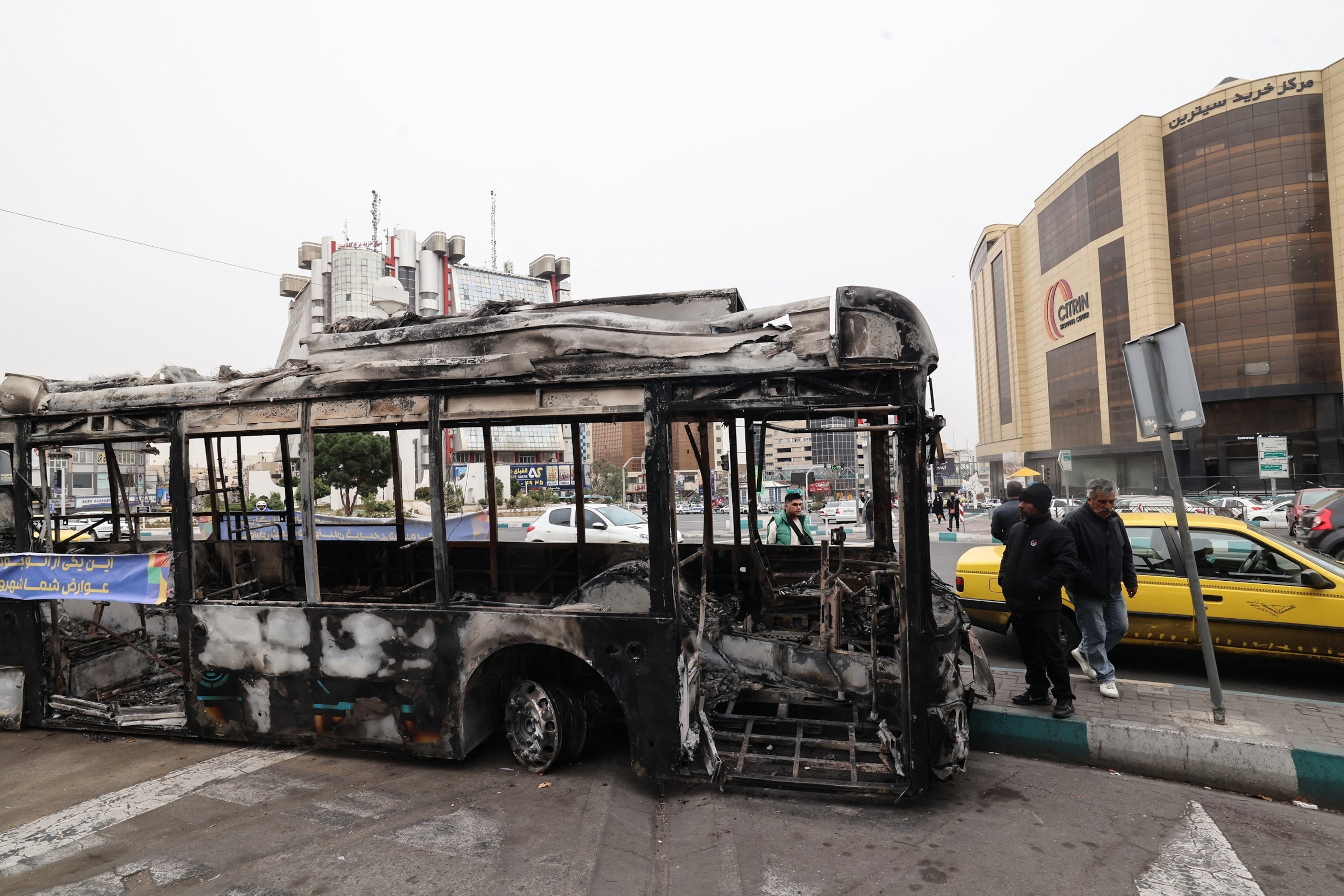
The State of the Uprising: A Nation in Crisis
As of January 23, 2026, the Islamic Republic of Iran remains gripped by a historic wave of civil unrest that has now entered its 27th consecutive day. What began on December 28, 2025, as a series of localized demonstrations against political repression and economic hardship has transformed into a nationwide uprising, challenging the foundational authority of the regime. Despite a brutal and escalating crackdown by security forces, reports from within the country indicate that the spirit of defiance remains high, even as the government moves to formalize a campaign of judicial executions and physical liquidation of dissent.
The latest reports from January 22, 2026, provided by the National Council of Resistance of Iran (NCRI) and various human rights monitors, describe a landscape of "persistent barbarity." Despite a near-total internet blackout, the UN Security Council received a briefing on January 15, 2026, describing the situation in Iranian streets as a "bloodbath." Security forces are reportedly firing directly into crowds and conducting execution-style killings in residential areas.
Casualty Figures and Geographic Spread
The scale of the violence is unprecedented in recent Iranian history. While official government figures remain suppressed, international observers and think tanks have attempted to quantify the human cost of the last three weeks. The protests, which peaked in intensity around January 8, have reached widespread geographic areas, encompassing many cities across numerous provinces. Major urban centers including Tehran, Mashhad, Isfahan, and Tabriz have seen sustained engagement.
| Category | Estimated Figures (As of Jan 22, 2026) | Primary Source/Reporting Agency |
|---|---|---|
| Total Estimated Killed | ~6,000 (as of Jan 12, 2026) | Brookings Institution / Activist Networks |
| Total Estimated Detained | 10,000+ | International Human Rights Monitors |
| Peak Killing Period (48 Hours) | At least 12,000 (Jan 8–9) | Iran International / CBS News (citing estimates as high as 20,000) |
Judicial Escalation: The Threat of Mass Executions
A significant development occurred on January 21, 2026, when Judiciary Chief Gholamhossein Mohseni Eje’i issued a public directive calling for "swift and harsh" sentences against those participating in the unrest. In the context of the Iranian legal system, such rhetoric is widely understood as a precursor to mass executions. Eje’i’s signals suggest that the regime is moving from a strategy of street-level containment to one of judicial liquidation, aiming to break the will of the populace through the gallows.
Human rights organizations have expressed grave concern regarding the fate of over 24,000 detainees currently held in various facilities. Reports of detainees being killed while in custody have already begun to surface, and the formalization of "harsh sentences" by the judiciary suggests that the death toll may rise significantly in the coming weeks through state-sanctioned hangings.
The Role of Security Forces
The intensity of the crackdown reached a fever pitch between January 8 and January 9, 2026. During this 48-hour window, at least 12,000 protesters were killed, with some estimates suggesting the toll could reach 20,000 or higher. Suppression efforts during this period were attributed to domestic Iranian security forces, including the Islamic Revolutionary Guard Corps (IRGC) and other internal security units, who have been instruments of the regime's "shoot-to-kill" policy.
Tech News: The Digital Iron Curtain
In the realm of technology, the most critical development remains the nationwide telecommunications and internet blackout that has been in effect since January 8, 2026. This is not merely a disruption of social media but a systematic severance of Iran from the global digital economy. The blackout serves two primary purposes: preventing protesters from coordinating their movements and ensuring that evidence of state-sponsored violence does not reach the international community in real-time.
While the blackout has limited the flow of information, it has not stopped it entirely. Activists continue to use satellite links and physical smuggling of data to provide the world with glimpses of the situation. However, the lack of general tech news or updates on telecommunications infrastructure reflects a country where the digital space has been weaponized as a tool of total state control. International tech platforms have been urged by the Iranian diaspora to take measures to curb regime propaganda, though the effectiveness of such measures is limited by the regime's control over the physical infrastructure of the internet within Iranian borders.
Immigration and the Global Diaspora Response
The uprising has had immediate repercussions for the Iranian diaspora and international immigration policies. While there have been no new policy shifts in the last 24 hours, the preceding weeks have seen a surge in diaspora mobilization across Europe, Australia, and North America. Large-scale rallies have been held in major global cities, with participants demanding that Western governments take more decisive action against the Tehran regime.
The immigration landscape is also being shaped by rhetoric from the United States. Former President Donald Trump has signaled a hardline stance, including threats of visa freezes for those associated with the regime and a general posture of "locked and loaded" interventionism. This has created a climate of uncertainty for Iranians abroad, as the potential for sweeping changes to immigration status looms alongside the possibility of a total collapse of the current Iranian government.
International Diplomatic Response
The international community's response has been a mixture of condemnation and cautious monitoring. On January 15, 2026, a UN briefing highlighted the severity of the violence, specifically pointing to the prevalence of gunshot wounds among protesters and the humanitarian impact of the internet blackout. UN High Commissioner for Human Rights Volker Türk had previously urged a halt to the repression on January 13, though these calls have largely been ignored by Tehran.
Key diplomatic developments include:
- January 9: European leaders, including French President Emmanuel Macron, UK Prime Minister Keir Starmer, and German Chancellor Friedrich Merz, issued a joint condemnation of the mass killings.
- January 15: The UN Security Council received a formal briefing on the "bloodbath" in Iranian streets.
Current Status and Outlook
While protest activity reportedly dipped to lower levels around January 13, this is viewed by many analysts not as a sign of the movement's end, but as a tactical pause or a result of the sheer scale of the casualties sustained during the January 8-9 peak. The underlying causes of the uprising—economic collapse, political suffocation, and state violence—remain unaddressed. The regime’s reliance on domestic security forces and the threat of mass executions through the judiciary suggest that the "point of no return" may have been reached.
As of late January 2026, the situation remains volatile. The Iranian government has claimed to have suppressed the unrest, yet the continued deployment of IRGC units and the persistent reports of "barbarity" in prisons suggest a state that is still very much at war with its own population. The world continues to watch as the digital blackout hides the true extent of a revolution that has already cost thousands of lives.
Comments (0)
No comments yet. Be the first to share your thoughts!