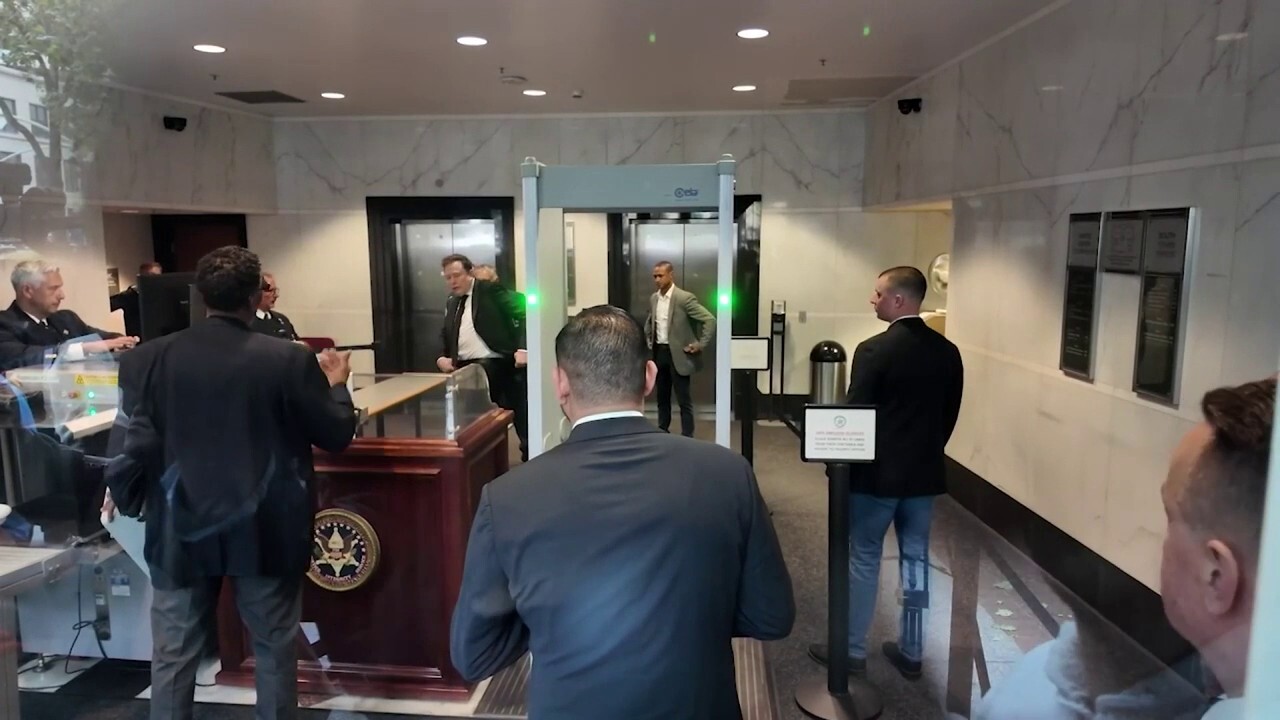
Oakland Federal Court Sees Intensive Testimony in Musk v. OpenAI
The high-stakes legal battle between Elon Musk and OpenAI reached a critical juncture on Wednesday, April 29, 2026, as the billionaire entrepreneur returned to the witness stand for a second consecutive day of testimony. In an Oakland federal court presided over by Judge Yvonne Gonzalez Rogers, Musk detailed his allegations of betrayal against the organization he co-founded, framing the dispute as a fight for the ethical soul of artificial intelligence. The trial, which commenced with opening arguments on Tuesday, April 28, centers on Musk’s claim that OpenAI’s leadership, specifically CEO Sam Altman, abandoned the company’s original nonprofit mission in favor of a multi-billion-dollar partnership with Microsoft.
During his testimony, Musk recounted the 2015 origins of OpenAI, which was established as a 501(c)(3) non-profit research laboratory dedicated to developing artificial general intelligence (AGI) for the benefit of humanity. Musk asserted that his primary motivation for co-founding the entity was to provide a counterweight to commercial AI development, which he feared would prioritize profit over safety. However, the current litigation alleges that the shift toward a "capped-profit" model and the subsequent $852 billion valuation of the company—achieved in April 2026 following a $122 billion funding round—constitute a breach of the founding agreement.
The Core Allegations: From Charity to Commercial Giant
Musk’s testimony on April 29 focused heavily on the financial and structural evolution of OpenAI. He testified that between December 2015 and May 2017, he invested approximately $38 million into the organization (with total contributions reaching up to $45 million before his 2018 exit), believing it would remain a transparent, open-source charity. Musk told the court that he felt "foolish" for trusting Sam Altman’s assurances regarding the nonprofit's permanence. By late 2022, Musk claimed, it became evident that Altman and other co-founders were attempting to "steal the charity" to facilitate commercial gain.
The plaintiff is seeking damages ranging from $134 billion to $150 billion from OpenAI and its primary backer, Microsoft, which is named as a co-defendant in the suit. These figures represent what Musk’s legal team characterizes as "wrongful gains" made by the defendants. Beyond financial compensation, Musk is requesting the court to order the removal of CEO Sam Altman and President Greg Brockman from the board of directors and to mandate that OpenAI revert to its original nonprofit status, directing all commercial proceeds to its charitable arm. Legal experts suggest that a victory for Musk could significantly disrupt OpenAI’s rumored plans for an initial public offering (IPO).
Judicial Scrutiny and Social Media Conduct
The proceedings were marked by a stern warning from Judge Yvonne Gonzalez Rogers regarding Musk’s conduct on his social media platform, X (formerly Twitter). On Tuesday, April 28, Musk posted a series of aggressive critiques directed at the defendants, referring to the CEO as "Scam Altman" and alleging that "Greg Stockman and Sam Altman stole OpenAI’s charitable arm." The judge excoriated Musk for these "incessant" posts, suggesting they could potentially taint the jury pool.
While Musk defended his posts as necessary responses to OpenAI’s public statements, the judge threatened the imposition of a formal gag order if the behavior continued. Musk eventually agreed to minimize trial-related social media activity for the duration of the proceedings. This tension highlights the unique nature of the trial, where the public narrative is being fought as vigorously as the legal one.
Financial and Institutional Comparisons
To understand the scale of the dispute, the following table illustrates the financial trajectory of OpenAI from its founding to its current status as a global leader in artificial intelligence:
| Metric | Founding Era (2015-2017) | Current Status (April 2026) |
|---|---|---|
| Organizational Structure | 501(c)(3) Nonprofit Charity | Capped-Profit / Commercial Entity |
| Elon Musk's Investment | Approx. $38 - $45 Million | $0 (Exited in 2018) |
| Estimated Valuation | N/A (Nonprofit) | $852 Billion |
| Primary Financial Backer | Elon Musk / Individual Donors | Microsoft (Multi-billion dollar partner) |
| Damages Sought by Musk | N/A | $134 - $150 Billion |
Witness List and Upcoming Testimony
The trial is expected to span approximately four weeks, featuring a "who's who" of the technology and artificial intelligence sectors. Following Musk’s testimony, the court is scheduled to hear from several key figures. The witness list includes:
- Sam Altman: CEO of OpenAI, who will defend the company’s transition to a profit-oriented model as a necessity for securing the massive computing power required for AGI.
- Satya Nadella: CEO of Microsoft, set for a half-day of testimony regarding the nature of the partnership between the software giant and the AI lab.
- Mira Murati: Former OpenAI CTO, who will provide testimony via a one-hour videotaped deposition regarding technical and strategic shifts.
- Shivon Zilis: A director at Neuralink and former OpenAI board member (until 2023), whose three-hour testimony is highly anticipated due to her professional and personal ties to the plaintiff.
- Former Board Members: Three individuals involved in the brief November 2023 ouster and subsequent reinstatement of Sam Altman will also be called to the stand.
The Defense: OpenAI’s Counter-Arguments
OpenAI’s legal team has maintained a consistent defense, arguing that Musk was fully aware of the plan to transition to a for-profit structure and only turned against the company after his own proposal to lead the entity was rejected. The defense contends that Musk’s departure in February 2018 was a result of his desire to pursue AI development through his own ventures, such as Tesla and the recently launched xAI.
Attorneys for OpenAI have characterized the lawsuit as a strategic attempt by Musk to stifle a competitor. They argue that a legal victory for Musk would provide an unfair advantage to xAI. Furthermore, the defense asserts that the "founding agreement" Musk references was never a formal, binding contract, but rather a set of aspirational goals that evolved alongside the technology.
Clarifying the Public Discourse: The James Comey Connection
In recent days, social media discussions surrounding the trial have frequently utilized the hashtag #JamesComey, leading to public speculation regarding the former FBI Director’s involvement. However, as of April 30, 2026, official court records and journalistic reports from the Oakland proceedings show no connection between James Comey and the Musk-OpenAI lawsuit. The emergence of the hashtag appears to be unrelated social media noise rather than any factual participation by Comey in this civil dispute.
Implications for the AI Industry
The outcome of this trial could set a significant precedent for the governance of artificial intelligence companies. If the court rules in favor of Musk, it could force a radical restructuring of OpenAI, potentially decoupling it from Microsoft. This occurs at a time of intense competition; while OpenAI is valued at $852 billion, rivals like Anthropic have reached valuations of $380 billion as of April 2026.
Conversely, a victory for OpenAI would validate the "capped-profit" model, signaling that nonprofit-born entities can transition into commercial powerhouses without legal liability to original donors. As the trial enters its second week, the focus will shift to the specific legal language of early OpenAI documents and the fiduciary responsibilities of the board during the 2023 leadership crisis.
Timeline of Key Events Leading to the Trial
- December 2015: OpenAI is founded as a nonprofit with a mission to ensure AGI benefits all of humanity.
- 2015-2017: Elon Musk contributes approximately $38 million in funding.
- February 2018: Musk resigns from the OpenAI board, citing potential future conflicts of interest with Tesla's AI development.
- 2019: OpenAI transitions to a "capped-profit" model and accepts a $1 billion investment from Microsoft.
- November 2023: The OpenAI board briefly fires Sam Altman, only to reinstate him days later following employee and investor pressure.
- March 2024: Musk files the initial lawsuit, alleging breach of contract and breach of fiduciary duty.
- April 28, 2026: The landmark trial begins in Oakland federal court with Musk taking the stand.
- April 29, 2026: Musk completes his second day of testimony amidst judicial warnings over social media use.
As the legal proceedings continue, the technology sector remains focused on the upcoming testimony of Sam Altman and Satya Nadella. The trial is scheduled to resume on Thursday, April 30, with further cross-examination of the plaintiff's witnesses.
Comments (0)
No comments yet. Be the first to share your thoughts!