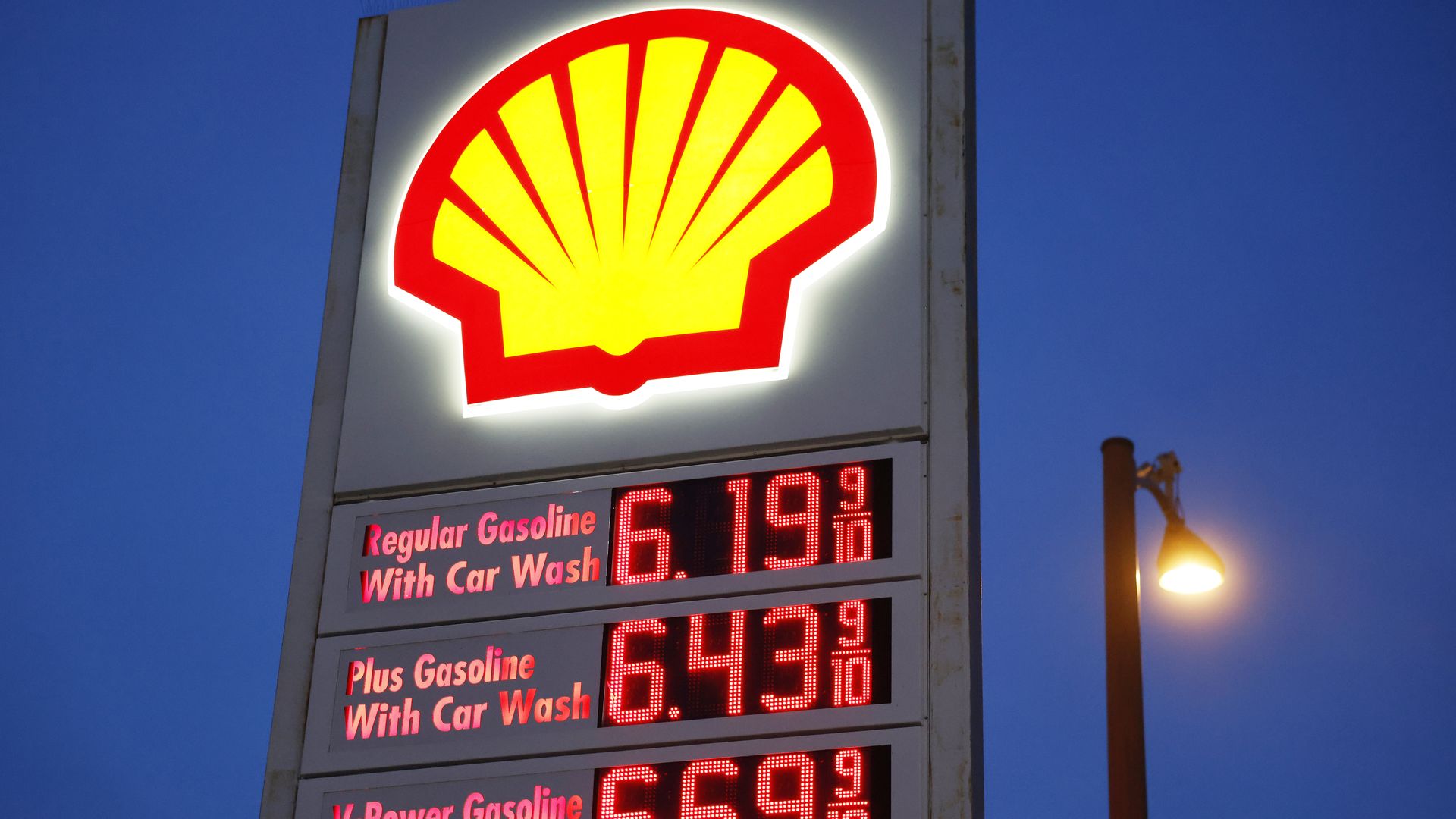
National Fuel Averages Hit Historic Peaks
As the United States enters the traditional summer driving season, American motorists are confronting some of the highest gasoline prices recorded in the nation's history. According to market reports from early May 2026, the national average for a gallon of regular unleaded gasoline has reached approximately $4.48. This surge marks a stark departure from the pricing structures observed during the same period in the previous calendar year, driven largely by geopolitical instability. This current average is roughly $1.50 higher than levels observed prior to the recent regional conflicts.
The surge in costs is not limited to standard consumer fuel. Diesel prices have also seen a significant spike, creating substantial overhead for the logistics and shipping industries. The year-over-year data highlights the severity of the current market conditions; in May 2025, the national average for regular gasoline stood at $3.165 per gallon, while the national diesel average was $3.50 per gallon. This represents a substantial increase in fuel costs compared to the previous year, placing unprecedented pressure on household budgets and industrial operations alike.
Rapid Price Acceleration and Regional Disparities
Recent reporting from early May indicates that the pace of these increases has been sharp, though Treasury Secretary Scott Bessent has characterized the rise as a "short-term blip." Speaking to Fox News, Bessent noted that the administration is "cognizant that this short-term blip up in prices is affecting the American people," while expressing optimism that rates will stabilize as global tensions ease.
While the national average provides a broad overview, regional data reveals the impact on specific hubs. Drivers on the West Coast continue to see prices that exceed the national mean, as the region historically maintains the highest averages in the nation. While some analysts had projected extreme thresholds for major cities, actual market rates have remained below the $8.00 and $9.00 marks previously feared by some forecasters.
| Fuel Category / Market Metric | Current Level (May 2026) | Historical Comparison (May 2025) | Year-Over-Year Change |
|---|---|---|---|
| National Average (Regular) | $4.480 | $3.165 | +$1.315 |
| National Average (Diesel) | Significant Spike | $3.500 | N/A |
| Brent Crude Oil (Per Barrel) | $117.50 | N/A | N/A |
Supply Chain Constraints and Market Factors
Market analysts point to a variety of internal and external factors contributing to the current pricing environment. A primary driver of the increase is the disruption of transit through the Strait of Hormuz, a critical maritime corridor that handles approximately 20% of global oil supplies. Ongoing conflict involving Iran has led to significant delays and increased insurance premiums for tankers. While Brent crude oil peaked at $118 per barrel in March 2026 following the de facto closure of the Strait, prices have recently fluctuated, trading at approximately $117.50 per barrel in early May.
Domestically, the transition to summer-blend gasoline—which is more expensive to produce due to environmental regulations intended to reduce smog—has compounded the price hike. The convergence of high crude costs and seasonal refinery transitions has created a "perfect storm" for the energy sector. Furthermore, the increased demand associated with the summer travel months is beginning to strain existing inventories, which were already below five-year historical averages for this time of year.
Impact on Small Business and Consumer Industries
The ripple effects of high fuel costs are being felt across a broad spectrum of the American economy. Small businesses, particularly those reliant on transportation, are reporting significant distress. The restaurant industry is facing a dual challenge: the cost of ingredients is rising due to delivery surcharges, while consumer discretionary spending is decreasing as more income is diverted to fuel tanks.
Additionally, the price of propane—a staple for outdoor cooking and rural heating—has seen a corresponding rise ahead of the traditional barbecue season. This has led to concerns among retailers that the usual uptick in seasonal consumer spending may be muted this year as families prioritize essential travel and commuting over recreational activities.
Government Outlook and Predictions
In response to the rising figures, the U.S. Treasury Department has provided an outlook on the duration of the current price levels. On Wednesday, May 6, 2026, Treasury Secretary Scott Bessent issued a prediction that gasoline prices would begin to recede in the coming months. Bessent stated that he expects the national average to fall back toward the $3.00 mark between June 20 and September 20, 2026, as the geopolitical situation stabilizes and supply routes are secured.
Secretary Bessent emphasized that the administration is focused on the resolution of the conflict in the Middle East as the primary path to lowering energy costs. "Our goal is to ensure transparency and to protect the American taxpayer," Bessent stated, noting that the administration expects market forces to correct as the "short-term blip" concludes.
Public Health Update: Addressing Hantavirus Concerns
Parallel to the economic news, public health awareness regarding Hantavirus has increased following recent international reports. For instance, Taiwan's CDC confirmed its second hantavirus case of 2026 in early May, involving a man in his 70s from New Taipei City who has since recovered. However, health officials and official government records indicate that there is no current outbreak in the United States. As of May 6, 2026, the Centers for Disease Control and Prevention (CDC) has not issued any new national alerts regarding Hantavirus Pulmonary Syndrome (HPS) beyond its standard seasonal guidance.
Hantaviruses are a family of viruses spread mainly by rodents. In the United States, HPS is a severe respiratory disease with a high mortality rate; the CDC reports a 35% case fatality rate since surveillance began in 1993. The recent attention to the virus appears to be driven by general health awareness rather than a specific domestic medical event. Nevertheless, health experts use this time of year—when people are cleaning out garages, sheds, and cabins—to remind the public of safety protocols, particularly in the American West, as 94% of confirmed Hantavirus cases in the U.S. occur west of the Mississippi River.
Understanding Hantavirus Risks and Prevention
Journalistic verification of official health registries confirms that infection rates remain within expected baseline levels. To provide clarity to the public, health officials reiterate that Hantavirus is not spread between humans. Instead, it is contracted through contact with the urine, droppings, or saliva of infected rodents, or by inhaling dust contaminated with the virus.
The following safety measures are recommended for individuals in areas with known rodent activity:
- Ventilation: Before cleaning enclosed spaces that have been dormant, open windows and doors for at least 30 minutes to allow for fresh air circulation.
- Disinfection: Do not vacuum or sweep rodent droppings, as this can aerosolize the virus. Instead, spray the area with a mixture of bleach and water or a household disinfectant.
- Personal Protective Equipment (PPE): Use rubber or plastic gloves and, in high-risk environments, a certified N95 mask.
- Rodent Control: Seal gaps and holes in homes to prevent rodent entry and keep food sources in tightly sealed containers.
Symptoms to Monitor
While there is no current national threat, medical professionals advise that early symptoms of HPS can be easily confused with the flu. Recognizing these symptoms early is critical for effective treatment, though no specific cure or vaccine exists for Hantavirus infection. Supportive care in an intensive care unit is the standard treatment for severe cases.
- Early Symptoms (1-5 days): Fatigue, fever, and muscle aches, particularly in the large muscle groups such as the thighs, hips, and back.
- Secondary Symptoms: Headaches, dizziness, chills, and abdominal problems such as nausea, vomiting, and diarrhea.
- Late Symptoms (4-10 days after initial phase): Coughing and shortness of breath as the lungs fill with fluid, leading to severe respiratory distress.
The Intersection of Economics and Public Concern
The simultaneous focus on fuel prices and health topics reflects a broader public anxiety regarding both economic stability and physical safety. While the fuel crisis is a documented event with clear statistical evidence, the Hantavirus concern serves as a reminder of the speed at which health-related information can circulate. Journalistic standards require a clear distinction between verified fuel costs and unverified health rumors.
As the summer progresses, the focus for both the government and the public will likely remain on the energy sector. The Treasury Department's predictions regarding a price drop by late June will be the primary factor determining whether current prices represent a peak or merely a waypoint in an ongoing trend. For now, motorists are advised to plan for high costs through the remainder of the quarter.
Summary of Current Market and Health Data
In conclusion, the start of May 2026 has been marked by a significant shift in the domestic economic landscape. The high fuel prices are a tangible reality affecting every sector of the economy, from individual commuters to commercial shipping hubs. Conversely, the public health landscape regarding Hantavirus remains stable in the U.S., with no official evidence to support heightened alarm.
The government's role in the coming weeks will involve monitoring the energy industry and providing continued public health communication. The following table summarizes the key takeaways for the current news cycle:
| Metric/Issue | Status as of May 6, 2026 | Official Source |
|---|---|---|
| National Gas Average | $4.48 (Significant Spike) | AAA / Market Reports |
| Diesel Market Status | Significant Spike | AAA / BTS |
| Hantavirus Threat Level | Baseline / No New U.S. Outbreaks | CDC / State Health Depts |
| Government Prediction | Prices to fall to $3 by late June | U.S. Treasury Department |
| Primary Market Driver | Strait of Hormuz / Iran Conflict | U.S. Treasury / Global Trade Data |
The situation remains fluid, and further updates from the Treasury Department and AAA are expected as the month continues. Motorists and business owners are encouraged to consult official fuel tracking resources for the most accurate localized pricing data.
Comments (0)
No comments yet. Be the first to share your thoughts!