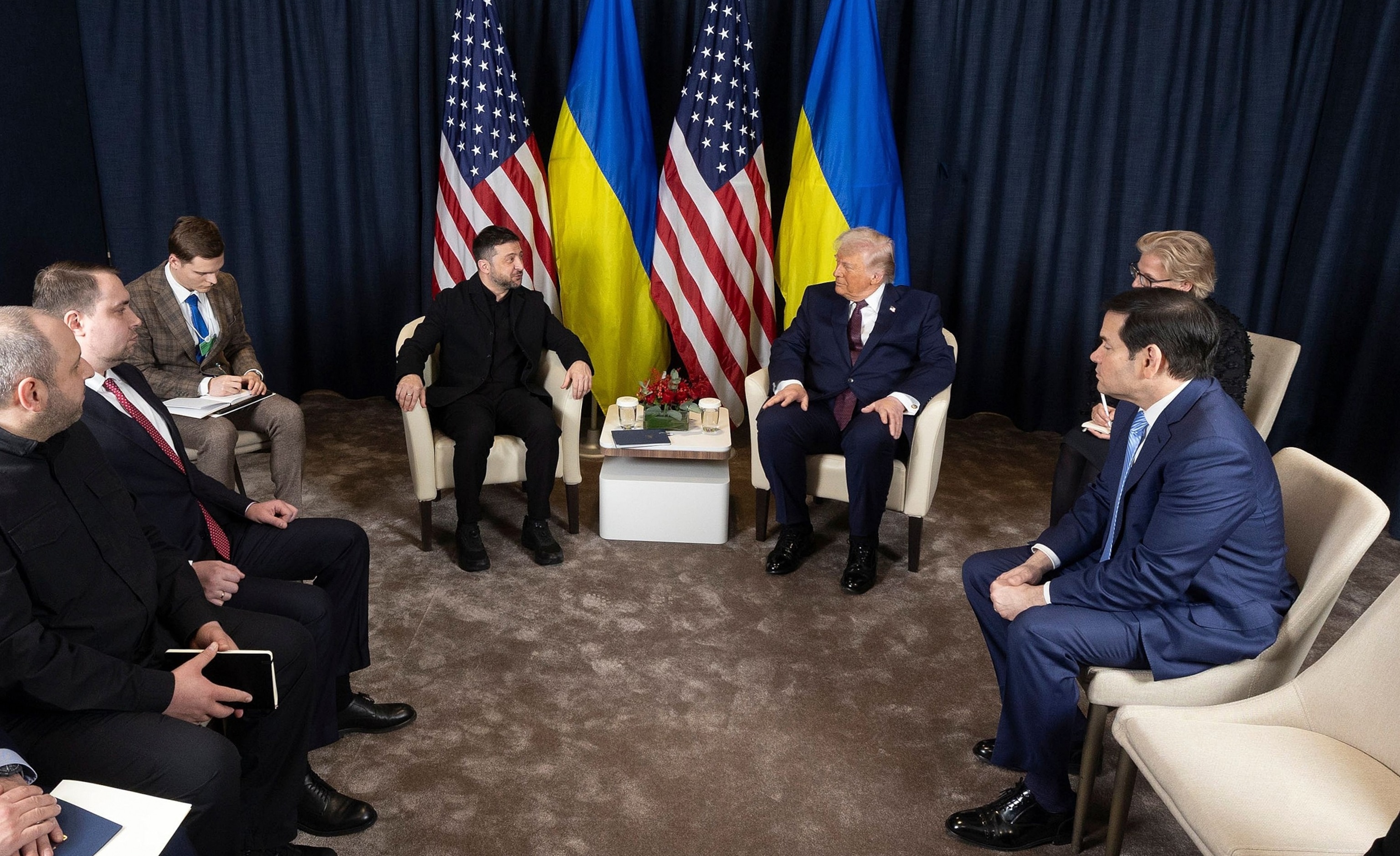
The Lead: A Dual Reality of Conflict and Diplomacy
As of January 25, 2026, the conflict in Ukraine is marked by significant diplomatic movement. The geopolitical landscape is shifting rapidly following high-level meetings in Moscow on January 22, 2026, between Russian President Vladimir Putin and a United States delegation, including former advisor Jared Kushner. These discussions have paved the way for a new trilateral working group in Abu Dhabi, which convened on January 23-24, 2026, signaling a potential, albeit contentious, path toward a ceasefire under the framework of the "Anchorage formula."
The human cost of the ongoing ground operations remains staggering. The total estimated Russian personnel losses since the start of the full-scale invasion stood at approximately 1,233,020 as of January 24, 2026, according to Ukraine's General Staff. While localized Russian offensive operations continued along the Kupyansk-Svatove-Kreminna line, which includes northern Kharkiv Oblast, no major strategic territorial shifts were reported as of January 23, 2026.
Statistical Summary of Recent Military Activity
| Category | Data Point (As of Jan 24, 2026) | Notes/Context |
|---|---|---|
| Cumulative Russian Personnel Losses | ~1,233,020 | Total estimated since February 2022 by Ukraine's General Staff. |
The Moscow Meeting and the "Anchorage Formula"
The halls of the Kremlin hosted a meeting on January 22, 2026, that could redefine the trajectory of the war. On the night of January 22, President Vladimir Putin met with a US delegation that included Jared Kushner, a move that highlights the evolving role of the incoming US administration's transition team in international mediation. The primary outcome of this meeting was an agreement to establish trilateral working group sessions involving the United States, Russia, and Ukraine, which convened in Abu Dhabi on January 23-24, 2026.
Central to these negotiations is the "Anchorage formula," a peace framework that has generated significant debate among international observers. Kremlin spokesperson Dmitry Peskov emphasized on January 23, 2026, that Russia’s primary condition for peace remains the total withdrawal of Ukrainian forces from the Donbas region. The Anchorage formula reportedly suggests a compromise where Ukraine would concede the Donbas while the current frontlines in other regions—such as Zaporizhzhia and Kherson—would be frozen. This framework is being used by the Kremlin to exert pressure on Ukraine’s Western allies, framing the concession of territory as the only viable path to ending the hostilities.
Peace Proposals: Trump's Plan and the US-led 20-Point Framework
In tandem with the Moscow discussions, US President-elect Donald Trump has been actively refining a peace proposal, initially conceived as a 28-point document. Separately, a "US-led 20-point peace plan" was reportedly discussed in Kyiv with Ukrainian and European leadership around January 3, 2026. These developments suggest that the Ukrainian government is being pressured to accept difficult internal and external compromises to secure a cessation of large-scale military operations.
Winter Conditions and Infrastructure Resilience
The ongoing struggle of the Ukrainian civilian population against the harsh realities of the season continues. The cumulative effect of winter weather and infrastructure targeting is profound. The current sub-zero temperatures exacerbate the humanitarian crisis, as the lack of consistent heating and electricity poses a life-threatening risk to vulnerable populations.
Military operations are also dictated by the weather. The "rasputitsa" (the season of mud) has frozen over, allowing for easier movement of heavy tracked vehicles, yet the extreme cold complicates drone battery life and personnel endurance.
Immigration and Global Displacement Trends
The conflict continues to influence global migration and immigration policies. While no major border crises were reported on January 25, the long-term effects of the war on population movement remain a priority for international bodies.
Within Europe, the status of Ukrainian refugees remains a point of political contention. As the "20-point plan" gains traction, discussions regarding the repatriation of displaced persons or their long-term integration into host countries like Poland and Germany have intensified. The possibility of a stable ceasefire and future political arrangements could serve as a catalyst for many Ukrainians to consider returning home.
The Road to Abu Dhabi: What Lies Ahead
The trilateral meetings in Abu Dhabi, which convened on January 23-24, 2026, represent a significant diplomatic opening, the first of their kind since the failed negotiations in Istanbul during the early months of the war. However, the obstacles remain formidable. The "Anchorage formula" is viewed by many in the Ukrainian administration as a demand for territorial concessions, which President Zelenskyy has rejected, while the Kremlin views it as a necessary recognition of "new territorial realities."
The role of the United States, particularly through the involvement of figures like Jared Kushner and the oversight of President-elect Trump, is seen by some as indicating a potential shift away from the "as long as it takes" doctrine toward a "peace through strength and negotiation" approach. The international community is watching closely to see if the Abu Dhabi working group can find common ground between Ukraine's sovereignty and Russia's territorial demands.
Conclusion: A Nation at a Crossroads
January 25, 2026, serves as a microcosm of the entire Russo-Ukrainian conflict. On one hand, the reality of war is felt in the ongoing human cost of the conflict. On the other, the gears of international diplomacy are turning with an urgency not seen in years. As Ukraine faces the dual pressures of a freezing winter and a changing political tide in the West, the decisions made in the coming weeks in Abu Dhabi and Moscow will likely determine the fate of the region for decades to come.
The immense human cost of the conflict is highlighted by the scale of Russian personnel losses—estimated at approximately 1,233,020 as of January 24, 2026, according to Ukraine's General Staff. Whether the "Anchorage formula" or the various peace proposals, including the US-led "20-point plan" and Trump's broader initiatives, can bridge this bloody divide remains the defining question of early 2026.
Comments (0)
No comments yet. Be the first to share your thoughts!