Diplomatic Efforts Continue Amid Ongoing Military Activity
As of March 25, 2026, the conflict between the United States, Israel, and Iran has entered its 26th day. While military operations continue, diplomatic efforts have intensified following the introduction of a 15-point ceasefire plan proposed by the United States. The proposal, delivered via intermediaries in Pakistan, seeks to establish a framework for ending the hostilities that began in late February. The administration has cited "major points of agreement" within the proposed plan as a potential path toward a cessation of conflict.
Despite the diplomatic push, the situation remains contested. The Iranian Foreign Ministry has officially denied the existence of any direct dialogue with the United States. Iranian officials have expressed skepticism regarding the 15-point proposal, with some dismissing the diplomatic overtures as a tactical maneuver. While the U.S. maintains that negotiations are occurring through third parties, Tehran has yet to officially accept the terms, and military leaders emphasize that operations will persist until their strategic demands are addressed.
Military Developments: Missile Exchanges and Strategic Strikes
The conflict has seen significant escalations in missile warfare over the past several weeks. On March 21, 2026, Iranian forces launched missile strikes targeting the area near Dimona in Israel. While initial reports suggested a direct hit on the Shimon Peres Negev Nuclear Research Center, subsequent assessments indicate the facility itself was not struck. However, the strikes in the vicinity resulted in more than 100 injuries. These Iranian actions followed reported Israeli strikes on March 21 targeting Iranian nuclear infrastructure, including the Natanz facility.
In response to ongoing hostilities, Israeli and United States forces have conducted numerous retaliatory strikes since the start of the conflict. These operations have focused on neutralizing Iranian military capabilities, including communications infrastructure, command nodes, and fuel storage facilities utilized by the Islamic Revolutionary Guard Corps (IRGC). The joint operations have targeted the following categories of infrastructure:
- Iranian communications infrastructure and command nodes.
- Fuel depots and storage facilities utilized by the military.
- Maintenance facilities and aircraft hangars.
- Port facilities and naval assets associated with the distribution of military hardware.
The Impact on Global Energy Markets
The ongoing conflict has exerted significant pressure on global energy supplies, with oil prices soaring since the commencement of hostilities on February 28, 2026. A key point of contention has been the status of Kharg Island, Iran’s primary oil export hub. U.S. forces conducted strikes on the island on March 13 and 14, 2026. While the strikes targeted military assets on the island, reports through March 16 confirmed that Iranian oil operations and exports continued to function despite the attacks.
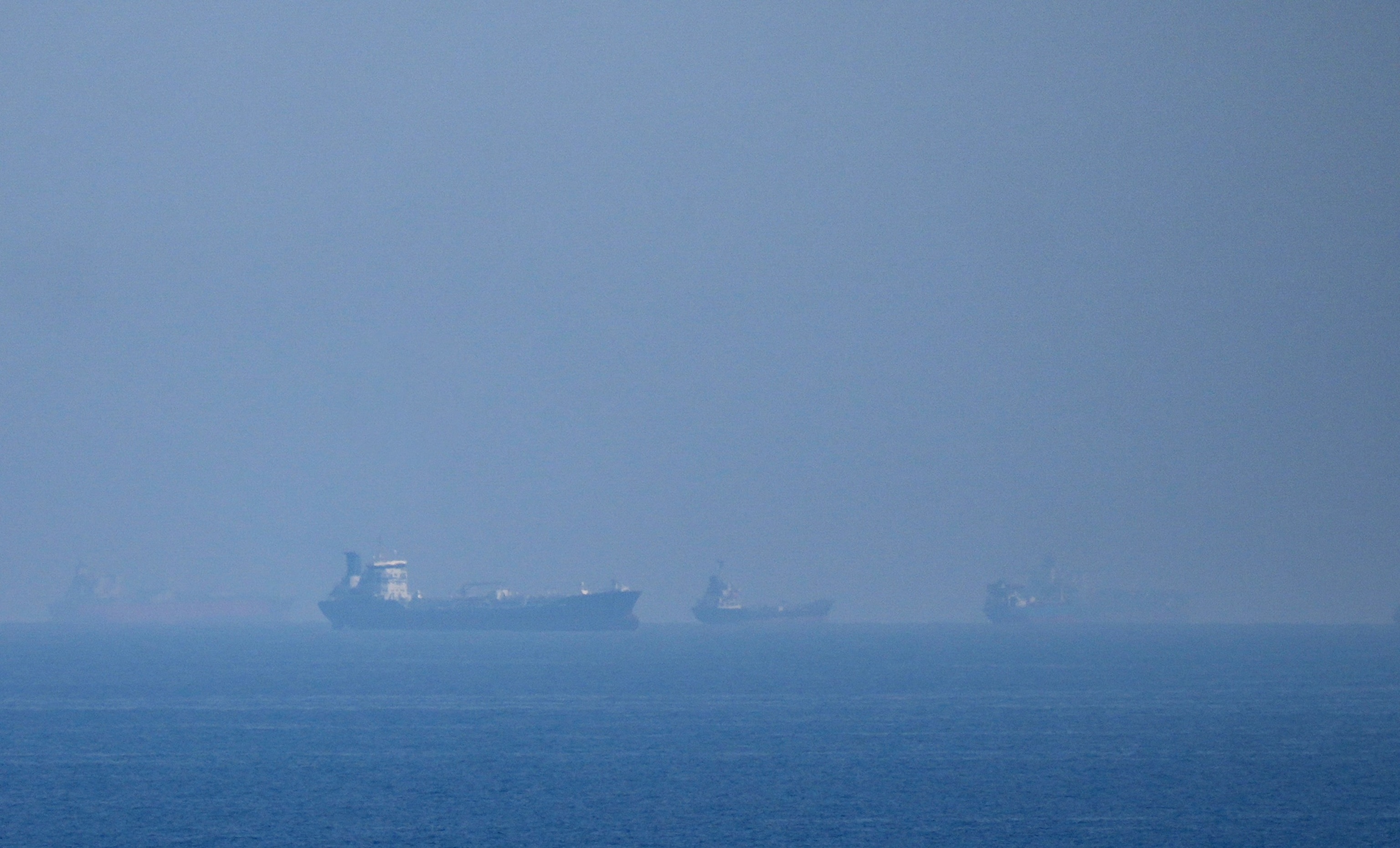
The current diplomatic negotiations are closely tied to the status of the Strait of Hormuz. The U.S.-led 15-point ceasefire plan demands that Iran declare the Strait a free maritime zone and an open international waterway to ensure the flow of global shipping. Iran has countered with threats of a total closure of the waterway and potential strikes on regional energy and desalination plants if its demands are not met. The following table outlines the current status of energy-related metrics as of March 25, 2026:
| Metric | Status/Value | Context |
|---|---|---|
| Oil Price Trend | Soaring | Significant volatility since Feb 28, 2026 |
| Kharg Island Status | Operational | Military targets struck March 13-14; exports continued through March 16 |
| Strait of Hormuz Status | Threatened/Blocked | Central point of the 15-point ceasefire plan |
| Regional Energy Threat | High | Iranian threats toward desalination plants |
Philippines Declares National Energy Emergency
The economic consequences of the conflict have reached Southeast Asia, with the Philippines becoming the first country to declare a national energy emergency due to the crisis. On March 24, 2026, President Ferdinand "Bongbong" Marcos Jr. signed Executive Order 110, invoking emergency powers to address fuel supply threats resulting from the Middle East conflict and the disruption of the Strait of Hormuz. The Philippines is particularly vulnerable to these market shifts, as the nation is heavily dependent on Middle East imports for its petroleum requirements.
The emergency declaration grants the government the authority to implement strict measures against hoarding and profiteering. President Marcos cited the "imminent danger of critically low supply" as the primary justification for the intervention. The administration has ordered law enforcement and regulatory bodies to monitor fuel stocks and ensure that existing reserves are distributed equitably. Public sentiment in Manila remains a mixture of concern regarding potential blackouts and support for the government’s proactive stance.
Reports from across the Asia-Pacific region indicate that the energy crisis is forcing other nations to take drastic measures. While the Philippines has declared a national emergency, other regional neighbors have begun fuel rationing and tapping into strategic oil reserves. Taiwan, for instance, has begun utilizing its 150-day strategic oil reserves and securing additional LNG shipments to maintain power grid stability and semiconductor production.
Chronology of Operation Epic Fury
The current conflict, designated by US and Israeli forces as Operation Epic Fury, began on February 28, 2026. The initial phase of the operation involved nearly 900 joint strikes targeting Iranian military installations. A pivotal moment in the opening day of the war was the death of Supreme Leader Ali Khamenei, who was killed during the initial strikes. Since then, the conflict has evolved into a series of missile and drone exchanges.
- February 28, 2026: Commencement of Operation Epic Fury; Supreme Leader Ali Khamenei killed in initial strikes.
- March 1-7, 2026: Iran vows retaliation; initial waves of missile exchanges begin.
- March 13-14, 2026: U.S. strikes military targets on Kharg Island; oil exports initially continue.
- March 21, 2026: Israeli strikes target the Natanz facility; Iran launches missiles near the Dimona nuclear research center, resulting in over 100 injuries.
- March 24, 2026: Philippines declares national energy emergency via Executive Order 110.
- March 25, 2026: Conflict enters 26th day as negotiations over a 15-point ceasefire plan continue.
Regional and Domestic Security Measures
In the Philippines, the declaration of an energy emergency has led to the establishment of a multi-agency task force to oversee the energy sector. This task force is responsible for managing the country's limited fuel reserves and preventing the collapse of essential services. The Philippine government has emphasized that the interconnected nature of the global energy market makes the crisis a direct threat to national security.
In the Middle East, the focus remains on the diplomatic window provided by the 15-point ceasefire plan. Military analysts suggest that the proposal is a calculated attempt to test the feasibility of a long-term resolution. However, the lack of official confirmation from Tehran regarding the acceptance of these terms suggests that the potential for further military action remains high. The Iranian military continues to maintain a posture of defiance, asserting that the nation will not yield to American demands without significant concessions.
As the conflict persists, global markets and regional governments remain on alert. The outcome of the coming days will determine whether the diplomatic framework can achieve a reduction in hostilities or if the conflict will expand further into critical civilian and energy infrastructure. For now, the combination of active missile exchanges and a deepening energy crisis continues to define the landscape of the 2026 Iran War.
Comments (0)
No comments yet. Be the first to share your thoughts!