Overview of a Convergent News Cycle
The second week of April 2026 has seen a rare convergence of significant domestic and international developments. In the United States, the long-running Gilgo Beach serial murder investigation reached a definitive legal milestone as Rex Heuermann entered guilty pleas for seven murders and admitted to an eighth. Simultaneously, on the global stage, President Donald Trump has announced a ceasefire agreement between the United States and Iran, a move that has sparked intense debate regarding regional security and the future of maritime trade in the Strait of Hormuz. While these events are fundamentally distinct, a professional link between the Gilgo Beach suspect and the Trump Organization’s past architectural projects has emerged as a point of public discussion.
The Gilgo Beach Resolution: Rex Heuermann Pleads Guilty
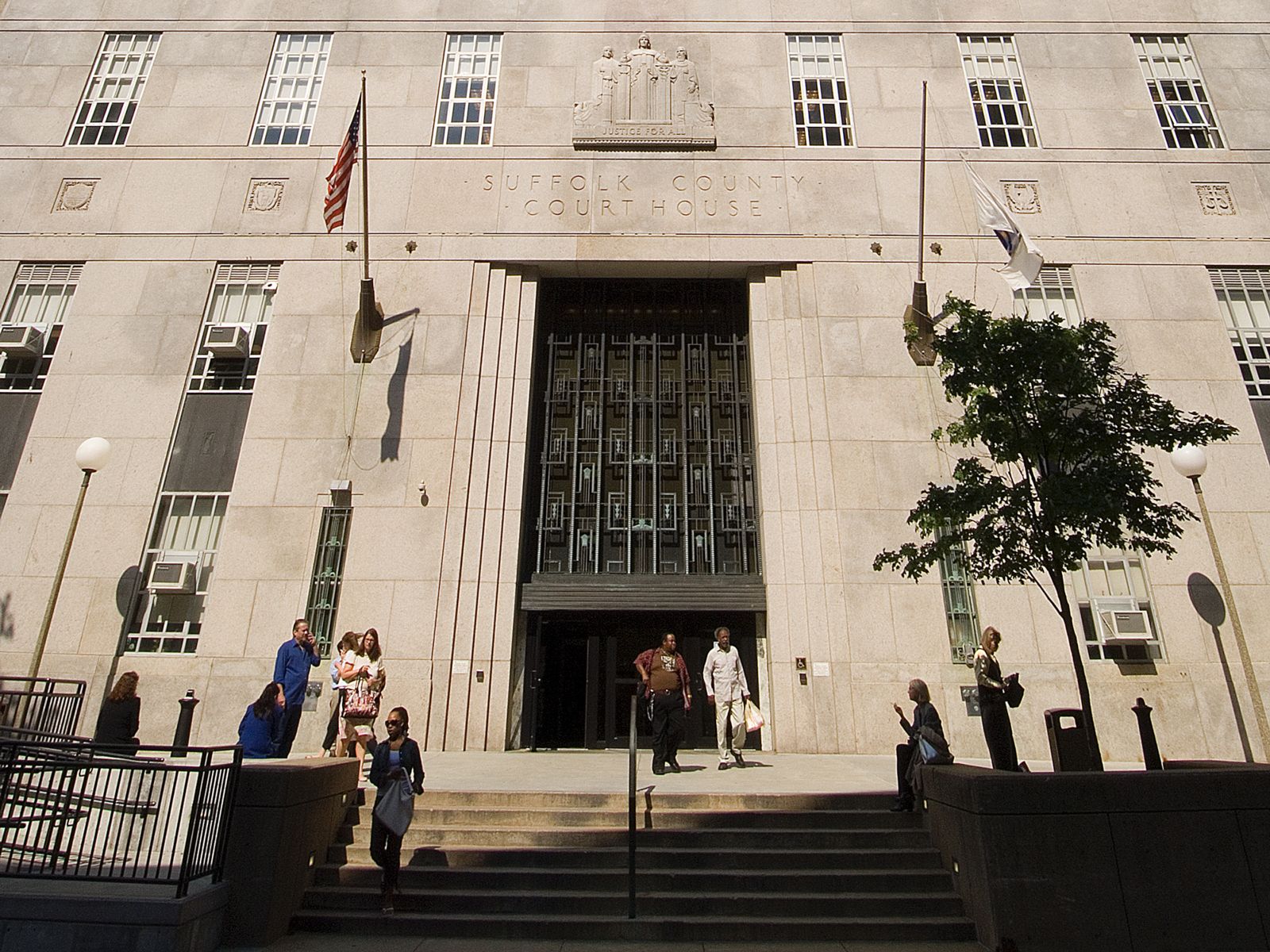
In a packed courtroom in Suffolk County, Rex Heuermann, the 62-year-old architect from Massapequa Park, officially pleaded guilty to the murders of seven individuals whose remains were discovered near Gilgo Beach. In a move that surprised some legal observers, Heuermann also admitted to an eighth killing—that of Karen Vergata, whose remains were identified in 2023. This admission brings a measure of closure to a case that has haunted Long Island for over fifteen years.
District Attorney Ray Tierney addressed the media following the proceedings, emphasizing that while the guilty plea ensures Heuermann will spend the remainder of his life in prison, the investigation remains active. "There are still bodies on that beach," Tierney stated, referring to the various unidentified remains and other cases still under review. "We are going to continue to work until every victim is accounted for."
The atmosphere surrounding the plea was described by those in attendance as one of "somber relief." However, tension remains regarding the conduct of Heuermann’s family. His ex-wife, Asa Ellerup, has faced criticism for her avoidant behavior during the trial, particularly after she reportedly exited a press conference when questioned about her lack of knowledge regarding Heuermann’s activities. Public frustration has also been directed toward the presence of documentary crews, including a Peacock production, which some families of the victims argue has commercialized their tragedy.
Table 1: Gilgo Beach Case Summary (As of April 9, 2026)
| Victim Name | Status of Case | Identification Date | Key Details |
|---|---|---|---|
| Melissa Barthelemy | Guilty Plea (Heuermann) | December 2010 | One of the "Gilgo Four" |
| Megan Waterman | Guilty Plea (Heuermann) | December 2010 | One of the "Gilgo Four" |
| Amber Lynn Costello | Guilty Plea (Heuermann) | December 2010 | One of the "Gilgo Four" |
| Maureen Brainard-Barnes | Guilty Plea (Heuermann) | December 2010 | One of the "Gilgo Four" |
| Karen Vergata | Admission (Heuermann) | August 2023 | Previously known as "Fire Island Jane Doe" |
| Jessica Taylor | Guilty Plea (Heuermann) | July 2003 (Partial) | Remains found in Manorville and Gilgo |
| Valerie Mack | Guilty Plea (Heuermann) | November 2000 (Partial) | Identified via genetic genealogy in 2020 |
| Sandra Costilla | Guilty Plea (Heuermann) | 1993 | Cold case linked via forensic evidence |
Diplomatic Breakthrough: The U.S.-Iran Ceasefire Announcement
On the international front, President Trump has announced a formal ceasefire between the United States and Iran. This announcement follows a period of heightened tensions characterized by Israeli strikes in Lebanon and retaliatory threats from Tehran. According to official statements, the ceasefire is intended to de-escalate hostilities that have threatened to disrupt global energy markets and spark a broader regional conflict.
Despite the announcement, the situation remains highly volatile. The Iranian Foreign Ministry released a statement shortly after the U.S. announcement, acknowledging the cessation of hostilities but rejecting President Trump’s claims of a "total victory." Iranian officials have emphasized that their control over the Strait of Hormuz remains a non-negotiable aspect of their national sovereignty and economic interest.
Key components of the current diplomatic landscape include:
- The Strait of Hormuz: Iran continues to assert its right to monitor and control the passage of vessels through this critical maritime chokepoint.
- Military Presence: President Trump has indicated that U.S. military forces will remain in the region to ensure the ceasefire is upheld, a move that Tehran has labeled a potential violation of the agreement’s spirit.
- Regional Reactions: Neighboring nations, including the UAE, have expressed cautious optimism but remain on high alert following previous cross-border exchanges.
The Trump-Heuermann Connection: Professional Ties and Public Perception
As these two major stories dominate the news cycle, public attention has also focused on the historical professional link between the Trump Organization and Rex Heuermann. It has been confirmed through business records that Heuermann’s architectural firm was previously contracted for work on Trump-owned properties, including golf courses and building renovations.
While there is no evidence suggesting that the Trump Organization or Donald Trump had any knowledge of Heuermann’s alleged criminal activities at the time of his employment, the connection has become a focal point for political commentary. Opponents of the President have utilized the association to criticize past hiring practices, while supporters argue that a standard professional contract from years ago is irrelevant to the President's current diplomatic achievements.
The Trump Organization has not issued a new statement regarding Heuermann since his initial arrest in 2023, previously maintaining that the firm hires numerous third-party consultants and architects for its diverse portfolio of properties.
Geopolitical Implications of the Ceasefire
The ceasefire comes at a time of significant uncertainty in the Middle East. President Trump’s strategy appears to involve a combination of military deterrence and direct diplomatic communication. Critics of the administration argue that the ceasefire lacks a long-term framework for addressing Iran’s nuclear ambitions or its support for regional proxies. Conversely, proponents suggest that the pause in hostilities is a necessary step to prevent a full-scale war that would have catastrophic consequences for the global economy.
The role of the FBI’s Behavioral Analysis Unit (BAU) has also been highlighted in recent days, though in a domestic context. Following Heuermann’s guilty plea, it was revealed that he has agreed to speak with the BAU. While this is primarily intended to assist investigators in understanding his crimes and potentially locating further victims, some analysts have drawn parallels to the need for deep psychological profiling in high-stakes international diplomacy, where understanding the motivations of adversarial leaders is paramount.
Table 2: Current Status of U.S.-Iran Relations (April 2026)
| Category | Current Status | Primary Concern |
|---|---|---|
| Military Hostilities | Active Ceasefire | Potential for accidental escalation |
| Economic Sanctions | Partially Maintained | Impact on Iranian oil exports |
| Maritime Security | Contested (Strait of Hormuz) | Freedom of navigation for tankers |
| Diplomatic Channel | Direct (via Foreign Ministry) | Disputes over "Victory" narratives |
Ongoing Investigations and Future Outlook
Looking forward, the Suffolk County District Attorney’s office is expected to continue its forensic sweep of areas near Gilgo Beach and Ocean Parkway. The admission of Karen Vergata’s murder has opened new leads, as investigators look for commonalities in the disposal of remains that date back to the early 1990s. The task force, which includes local police, state investigators, and federal partners, remains committed to identifying the "Peaches" victim and the toddler found near the site.
In Washington, the Trump administration faces the challenge of turning a fragile ceasefire into a durable peace. The coming weeks will be critical as the U.S. monitors Iranian compliance and navigates the complex demands of regional allies who may feel sidelined by the direct negotiations between Washington and Tehran. The President is expected to continue his "America First" rhetoric, framing the ceasefire as a triumph of American strength and negotiation tactics.
As of April 9, 2026, both the Gilgo Beach case and the Iran situation represent unfinished chapters in law enforcement and international relations. While the guilty pleas of Rex Heuermann provide a sense of justice for many families, and the ceasefire provides a temporary reprieve from conflict, the underlying issues—unresolved murders and deep-seated geopolitical rivalries—remain at the forefront of the national consciousness.
Conclusion
The intersection of a notorious serial killer's conviction and a high-stakes international ceasefire has created a unique moment in American history. As Rex Heuermann begins his life sentences, the focus shifts toward the remaining unidentified victims of the Long Island shore. Simultaneously, the world watches the Strait of Hormuz, waiting to see if the ceasefire announced by President Trump will hold or if the regional tensions will once again reach a breaking point. In both instances, the pursuit of stability—whether through the rule of law or the art of the deal—remains the primary objective of the current administration and the justice system alike.
Comments (0)
No comments yet. Be the first to share your thoughts!