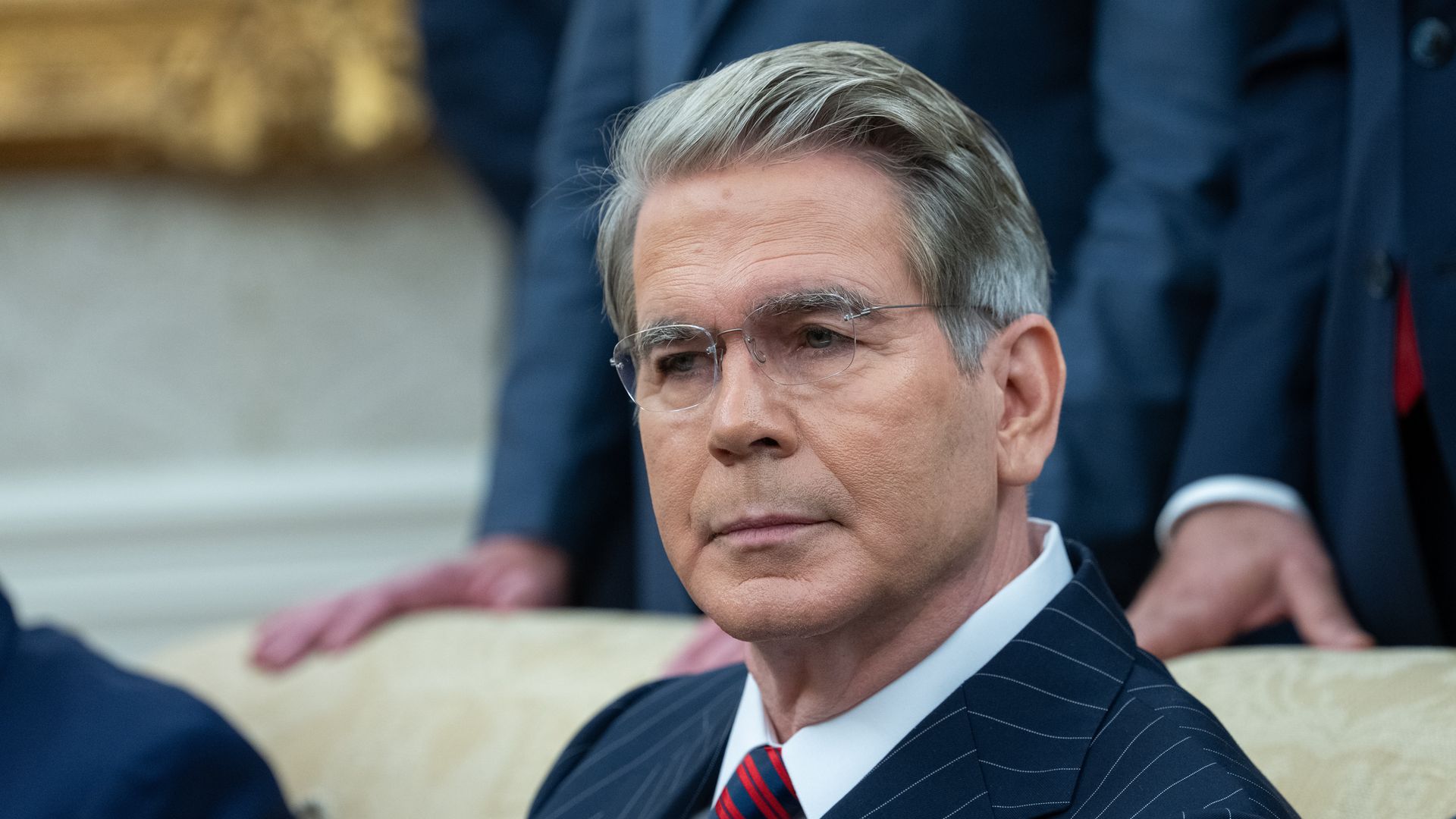
The United States and China have moved to formalize a new bilateral artificial intelligence dialogue following high-level discussions in New York between U.S. Treasury Secretary Scott Bessent and Chinese Vice Premier He Lifeng. According to reports from Reuters and the Associated Press, the framework is designed to establish direct communication channels focused on managing artificial intelligence risks, addressing national security concerns, and coordinating incident notifications.
The newly announced initiative centers on creating a dedicated notification mechanism or incident line. This channel is intended to allow Washington and Beijing to alert each other when an artificial intelligence-related event reaches a critical national security threshold, moving away from broader regulatory pacts or binding international treaties toward targeted risk mitigation. Describing the initiative as a formal bilateral dialogue, Treasury Secretary Scott Bessent stated that the primary objective is to open structured lines of communication regarding shared goals and common technological threats.
The breakthrough in diplomatic preparations comes directly ahead of the upcoming White House summit between U.S. President Donald Trump and Chinese President Xi Jinping. Multiple news organizations confirmed that artificial intelligence safety and risk management have been integrated into the official agenda for the presidential meeting, alongside ongoing discussions concerning bilateral trade and broader economic issues.
While comprehensive implementation details remain limited following the initial announcements, the framework marks a definitive transition from informal academic and track-two exchanges to an officially acknowledged government-to-government channel. According to statements reviewed by international media, both delegations intend to continue these safety discussions, with a follow-up meeting scheduled to take place in roughly two months in Shenzhen.
Bilateral discussions between Washington and Beijing have historically focused heavily on trade tariffs, intellectual property, and macroeconomic policy. The inclusion of an explicit artificial intelligence risk framework reflects growing recognition among policymakers in both nations regarding the potential systemic hazards posed by advanced automated systems, establishing a baseline mechanism for crisis communication as the two leaders prepare to meet.
Comments (0)
No comments yet. Be the first to share your thoughts!