The international political and sporting landscapes underwent a series of seismic shifts on Sunday, July 12, 2026, as the United States navigated the aftermath of the death of a senior statesman, a major military escalation in the Middle East, and the finalization of the 2026 FIFA World Cup semi-final bracket. The death of Senator Lindsey Graham (R-South Carolina) on Saturday, July 11, 2026, at the age of 71 has left a significant void in the Republican leadership at a moment when U.S. Central Command (CENTCOM) has just completed its most intensive exchange of fire with Iranian forces in recent years. While a diplomatic roadmap was established earlier this summer in Switzerland, the status of the Strait of Hormuz remains a critical point of contention between Tehran and Washington, even as the world’s premier sporting event enters its penultimate stage on American soil.
The Death of Senator Lindsey Graham
Senator Lindsey Graham, a central figure in American foreign policy for over two decades, passed away on the evening of Saturday, July 11, 2026. His passing came just one day after he returned from an official visit to Kyiv, Ukraine, on July 10. His office confirmed the news following his passing, and the Washington, D.C. medical examiner later confirmed the preliminary cause of death was an aortic dissection resulting from arteriosclerotic cardiovascular disease. Graham, who was 71, had remained an active and influential voice in the Senate until his final days. His passing comes as a shock to colleagues on both sides of the aisle, particularly given his recent high-profile legislative activity and advocacy for national security.
Known for his "hawk" stance on foreign intervention, Graham’s career was defined by his transition from a staunch critic of Donald Trump during the 2016 primary to one of his most loyal advisors on the Senate Floor. As the Ranking Member or Chairman of various influential committees over the years, Graham was instrumental in judicial confirmations and the shaping of Middle Eastern policy. His advocacy for a "maximum pressure" campaign against Iran was a hallmark of his recent legislative efforts, a position that remains highly relevant as regional tensions reach a boiling point. President Donald Trump, a close personal friend and political ally of the late senator, issued a statement reflecting on Graham’s legacy, describing him as a "tireless fighter" for the country and a cornerstone of the Republican party’s national security platform.
Escalation in the Middle East: U.S.-Iran Military Strikes
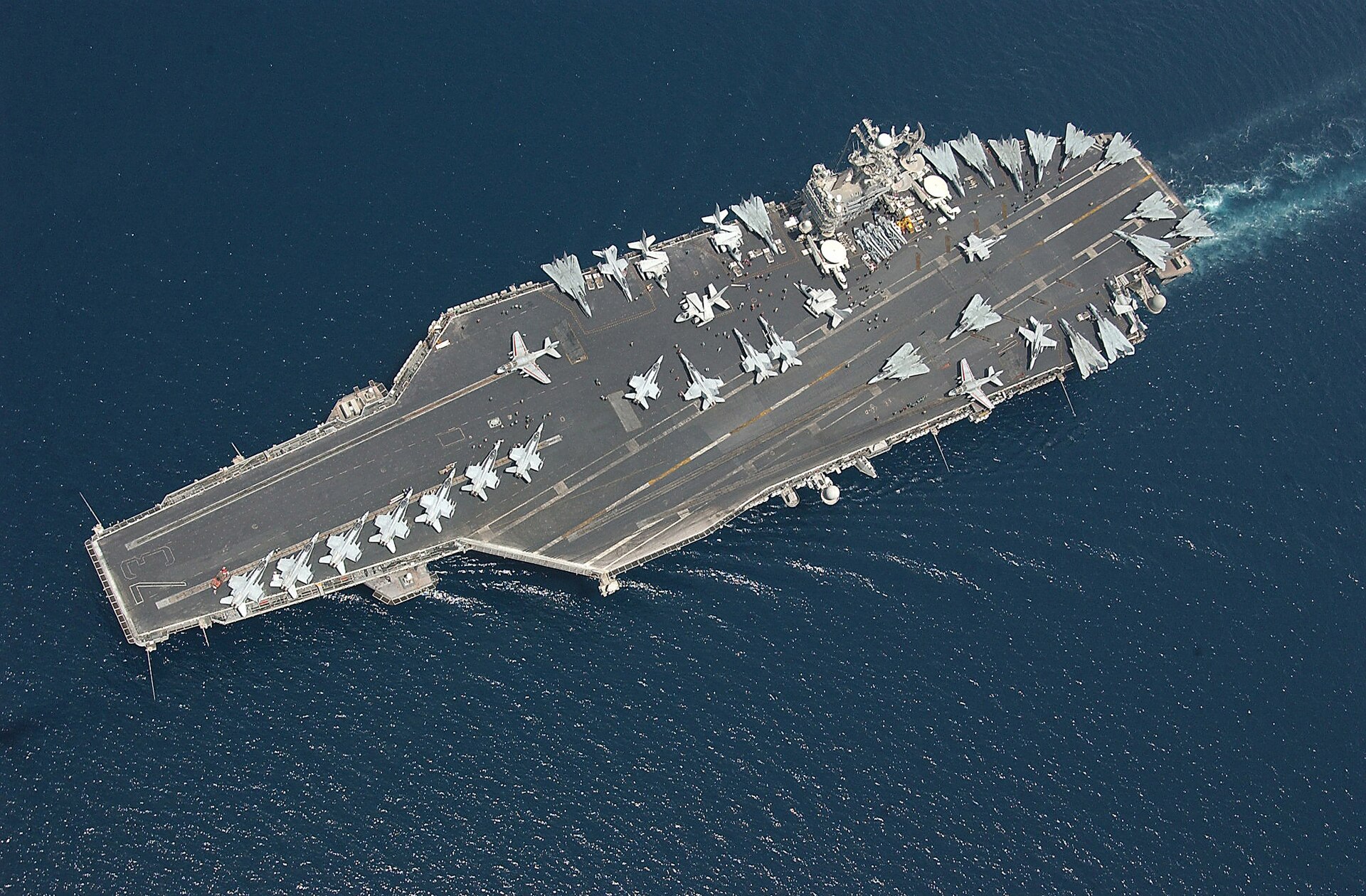
Simultaneous with the news of Graham’s passing, the military situation in the Persian Gulf and surrounding regions escalated sharply. On the evening of July 11, 2026, U.S. Central Command (CENTCOM) completed a third round of precision strikes hitting approximately 140 Iranian military targets. This operation was conducted in response to a series of drone and missile assaults launched by Iranian-aligned groups against U.S. interests and threats to commercial shipping over the preceding 48 hours.
The targets of the U.S. operation included:
- Drone sites and associated launch infrastructure.
- Command and control facilities located in proximity to regional hubs.
- Ballistic missile infrastructure and storage sites.
- Logistical warehouses housing ammunition and military components.
While the Iranian Revolutionary Guard (IRGC) has previously conducted retaliatory strikes against U.S.-linked facilities in the region earlier this year, there were no verified reports of new retaliatory impacts on July 12. However, air defense protocols were activated and sirens were reported in the United Arab Emirates (UAE) and Bahrain, prompting local authorities to advise residents to seek shelter as a precaution. The exchange marks the most significant direct military confrontation between the two nations in the current decade.
The Strait of Hormuz Dispute
A central flashpoint in the current conflict is the status of the Strait of Hormuz, a critical artery for global energy supplies. While tensions remain high following the U.S. strikes, CENTCOM has issued statements asserting that commercial vessels continue to transit the waterway under the protection of international maritime coalitions, noting that commercial traffic actually increased on July 12. The U.S. Navy has maintained a heightened presence in the area to ensure the freedom of navigation, countering regional rhetoric regarding a potential blockade.
This dispute echoes a prediction made by Senator Graham on June 21, 2026, when he stated in a televised interview that if diplomacy failed, the U.S. would be forced to take control of the Strait by force. Graham had warned that the U.S. military would "obliterate" Iranian naval capabilities if they attempted to contest authority over the international shipping lane. Despite the current friction, no formal declaration of closure by Iranian officials was verified on July 12.
Diplomatic Context: The Switzerland Roadmap
The current military activity tests a fragile diplomatic framework established earlier this year. On June 22, 2026, U.S. negotiators met with Iranian officials in Bürgenstock, Switzerland, to conclude talks that resulted in both nations agreeing to a 60-day roadmap intended to de-escalate regional hostilities. These talks were intended to pave the way for a broader peace deal, though observers describe the agreement as extremely fragile given the ongoing conflict between Israel and Hezbollah along the Blue Line.
The U.S. has been seeking a return to maritime stability and a cessation of drone strikes in exchange for limited sanctions relief. However, the recent military activity and the demands from Iranian representatives for a withdrawal of U.S. assets from the Persian Gulf continue to complicate the atmosphere of the negotiations initiated in June.
World Cup 2026: Semi-Final Matchups Confirmed
Amid the geopolitical turmoil, the 2026 FIFA World Cup reached a milestone on Sunday as the semi-final matchups were officially set. The tournament, hosted across North America, has seen several high-profile exits, leaving four of the world’s most storied footballing nations to compete for the trophy. The confirmation of the final four teams provides a brief moment of distraction for a global audience, even as matches are played under heavy security protocols.
The semi-final schedule is as follows:
| Date | Matchup | Venue | Kick-off Time (ET) |
|---|---|---|---|
| July 14, 2026 | Spain vs. France | AT&T Stadium, Dallas | 2:00 PM |
| July 15, 2026 | England vs. Argentina | Mercedes-Benz Stadium, Atlanta | 3:00 PM |
England reached the semi-finals after a grueling quarter-final victory, and they are now set to face the defending champions, Argentina, in Atlanta. The matchup is expected to be one of the most-watched sporting events in history. Spain and France will face off in Dallas on Tuesday, July 14, in a repeat of several recent European championship encounters. Official schedules confirm that the Dallas match will kick off at 2:00 PM ET, while the Atlanta match will begin at 3:00 PM ET.
Economic Impact and Labor Statistics
While the World Cup was expected to provide a significant boost to the U.S. economy, particularly in the leisure and hospitality sectors, recent data suggests a shortfall in projected growth. Official Bureau of Labor Statistics data for June 2026 indicated that leisure and hospitality payrolls decreased by 61,000, reversing gains from the previous month. Analysts suggest that the uncertainty surrounding the U.S.-Iran conflict and the subsequent impact on international travel have caused many businesses to scale back their expansion plans.
Below is a summary of the economic indicators related to the tournament period:
| Sector | Projected Job Growth | Actual Change (June 2026) | Primary Reason for Variance |
|---|---|---|---|
| Leisure & Hospitality | ~+40,000 | -61,000 | Geopolitical tensions/Travel costs |
| Security Services | +15,000 | Data Pending | Increased threat levels |
| Transportation | +10,000 | Data Pending | Fuel price volatility |
The Legacy of Lindsey Graham and the Path Forward
The death of Senator Graham marks the end of an era for the "old guard" of the Republican party’s foreign policy establishment. Along with the late Senator John McCain, Graham was a primary architect of the interventionist philosophy that dominated the early 21st century. His absence will be felt most acutely in the Senate Foreign Relations Committee, where he was a key proponent of military aid to allies and aggressive stances against adversaries like Iran and Russia.
Throughout 2026, Graham frequently utilized "Berlin Wall moment" rhetoric to describe the urgency of addressing Iran’s nuclear ambitions and regional aggression. He argued that the U.S. must demonstrate "unwavering resolve" to prevent a broader conflict, a sentiment that remains central to the national debate following the strikes of July 11. As the U.S. prepares for a state funeral in South Carolina, the Senate will also have to address the vacancy left by Graham, with the Governor of South Carolina expected to appoint a temporary successor in the coming days.
Summary of Regional Military Activity
The following table summarizes the reported military actions as of the morning of July 13, 2026:
| Actor | Reported Action | Location/Target | Reported Status |
|---|---|---|---|
| U.S. CENTCOM | Precision strikes (140 targets) | Drone, Missile, and Ammo Sites | Confirmed July 11 |
| IRGC (Iran) | None Verified (July 12) | N/A | No new impacts confirmed |
| U.S. Navy | Freedom of Navigation Patrols | Strait of Hormuz | Waterway remains open; traffic increased |
| Regional Air Defense | Intercept Protocols | UAE, Bahrain | Sirens activated; no confirmed impacts |
Conclusion
The events of July 12, 2026, represent a complex intersection of national mourning, military confrontation, and global sport. The loss of Senator Lindsey Graham on July 11 removes a pivotal voice from the American political stage at the exact moment his long-standing warnings about Middle Eastern instability appear to be manifesting in direct U.S.-Iran military exchanges. While the World Cup semi-finals offer a semblance of normalcy and international cooperation, the tension in the Strait of Hormuz suggests a period of prolonged uncertainty ahead. As the 60-day roadmap established in Switzerland continues to be tested, the world remains watchful of whether diplomacy can prevail over the escalating cycle of retaliation.
Comments (0)
No comments yet. Be the first to share your thoughts!