WASHINGTON D.C. — A Day of Geopolitical Escalation Following Scientific Triumph
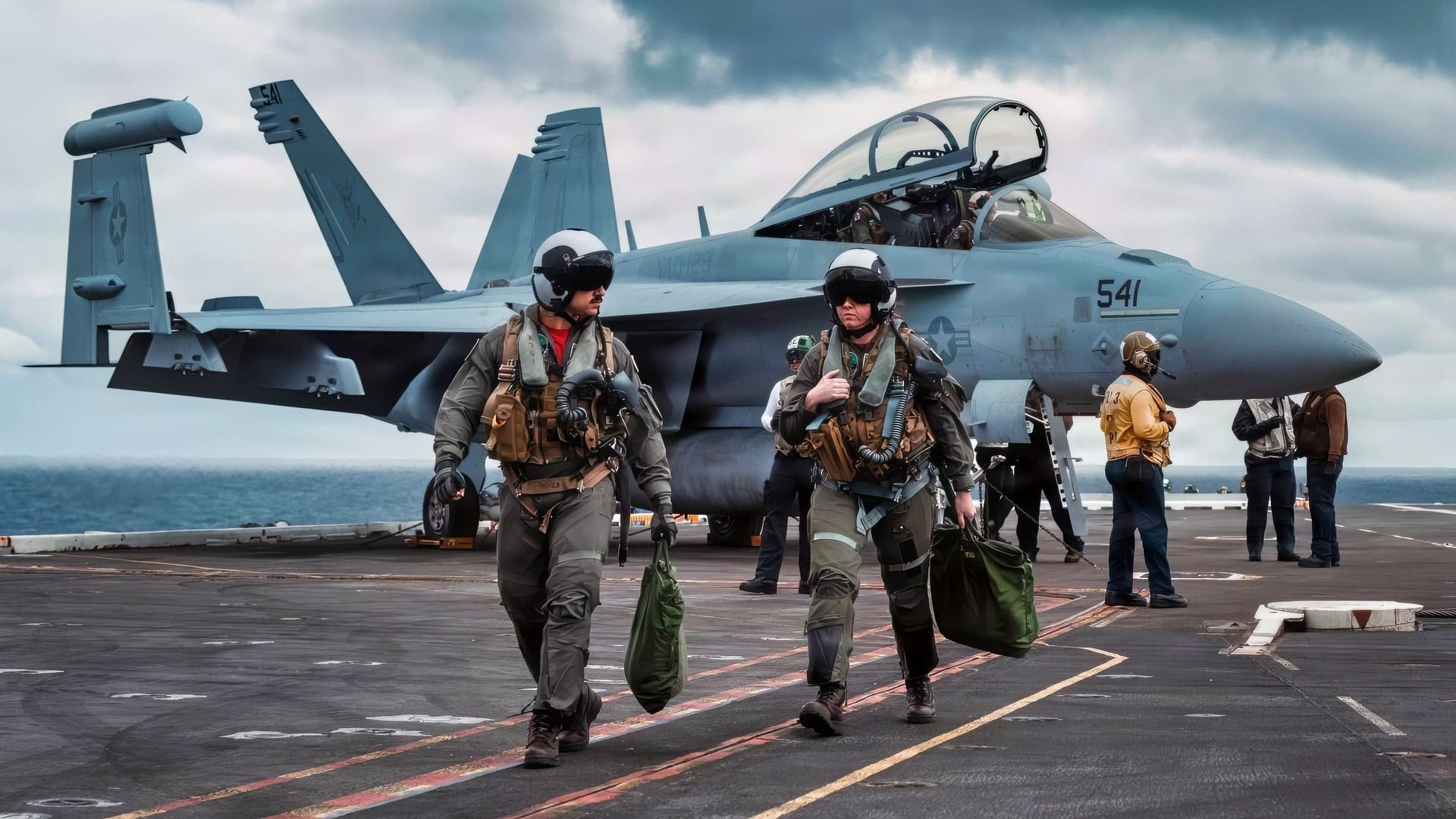
The global landscape shifted dramatically on April 13, 2026, as the United States government initiated a full-scale naval blockade of the Strait of Hormuz and all major Iranian ports, marking the most significant escalation in Middle Eastern tensions in decades. The move, announced by President Donald Trump, follows the collapse of high-stakes diplomatic negotiations in Islamabad, Pakistan, which concluded over the weekend. As the 10:00 AM Eastern Time deadline passed, U.S. Central Command (CENTCOM) confirmed that naval assets had begun enforcing a maritime blockade to halt Iranian oil exports and strategic imports.
This escalation comes just days after a starkly different display of human endeavor: the conclusion of NASA’s Artemis II mission. On April 10, 2026, the Orion spacecraft successfully splashed down in the Pacific Ocean off the coast of San Diego, setting a new record for the furthest distance traveled by a crewed vehicle. The succession of these two events—one a breakdown of international diplomacy and the other a pinnacle of global scientific cooperation—has placed the world in a state of heightened alert and reflection.
The Islamabad Collapse: 21 Hours That Shook Diplomacy
The path to the current blockade began with a marathon 21-hour diplomatic session in Islamabad, Pakistan. Led by U.S. Vice President J.D. Vance and Iranian Foreign Minister Abbas Araghchi, the talks were intended to forge a "Grand Bargain" that would address Iran’s nuclear ambitions, its support for regional proxies, and the freedom of navigation in the Strait of Hormuz. However, the talks reached a definitive impasse on April 12, 2026.
The failure of the negotiations centered on several non-negotiable U.S. demands. According to reports, the U.S. delegation insisted on the complete abandonment of Iran’s uranium enrichment program and the verifiable destruction of key nuclear facilities, including those at Fordow, Natanz, and Isfahan. Additionally, the U.S. demanded an end to all financial and military support for proxy groups, specifically Hezbollah and the Houthis, alongside guarantees for the unimpeded freedom of navigation in the Strait of Hormuz.
Following the breakdown, Vice President Vance stated that the Iranian delegation refused to provide "concrete guarantees" regarding their nuclear program, leading the U.S. to conclude that further dialogue was "futile." Iranian Foreign Minister Abbas Araghchi countered, accusing the U.S. of "shifting goalposts" and attempting to undermine Iranian sovereignty through "economic warfare disguised as diplomacy."
Presidential Proclamation and the Mechanics of the Blockade
In a televised address shortly after the talks dissolved, President Trump announced the implementation of the naval blockade. "We gave diplomacy every chance," the President stated. "But we will not allow a regime that threatens our allies and seeks nuclear weapons to control the world’s most vital energy arteries. Effective 10:00 AM tomorrow, every vessel entering or leaving Iranian waters will be stopped. We win, they lose."
The blockade, as outlined by CENTCOM, applies to all maritime traffic to and from Iranian ports, coastal areas, the Persian Gulf, and the Gulf of Oman. CENTCOM’s policy preserves freedom of navigation for ships that are not entering or exiting Iranian territory. While some vessels have successfully transited to non-Iranian ports in the UAE and Kuwait, reports indicate that many commercial tankers have begun steering clear of the Strait of Hormuz entirely to avoid the escalating tension.
Table: Summary of the April 13 Naval Blockade Parameters
| Parameter | Details |
|---|---|
| Effective Time | 10:00 AM Eastern Time, April 13, 2026 |
| Enforcing Authority | U.S. Central Command (CENTCOM) |
| Geographic Scope | Strait of Hormuz, Persian Gulf, Gulf of Oman, Iranian Coastal Ports |
| Targeted Traffic | All vessels (commercial and military) entering or exiting Iranian territory |
| Primary Objective | Total cessation of Iranian oil sales and maritime trade |
Tehran’s Response: Defiance and Economic Warnings
The reaction from Tehran was swift and characterized by a mixture of military defiance and economic threats. Foreign Minister Abbas Araghchi labeled the blockade an "act of unprovoked aggression" and a violation of international maritime law. While Iranian military officials mocked the U.S. threat in public broadcasts, they warned of "serious and irreversible consequences" should Iranian sovereignty be breached.
Perhaps most concerning to global markets was the rhetoric issued by Iranian parliamentary leaders. Speaker Mohammad Bagher Ghalibaf issued stern warnings regarding the future of global energy stability, suggesting that the U.S. and its allies would face severe economic consequences for their actions. This has sparked immediate concerns regarding a spike in global crude prices, despite the U.S. administration's claims of energy independence.
In the streets of Tehran, public demonstrations showed support for the government’s refusal to yield to U.S. demands. Local reports describe a population bracing for further economic hardship but unified by a sense of nationalistic fervor against what they perceive as Western overreach.
Artemis II: A Record-Breaking Return
While the world’s eyes were fixed on the Persian Gulf, the global community continued to celebrate a historic achievement that unfolded days earlier in the Pacific. On April 10, 2026, at approximately 5:07 PM local time (PDT), the Orion capsule carrying the crew of Artemis II successfully splashed down near San Diego. The mission, which lasted ten days, saw the crew travel a record-breaking distance of approximately 252,756 miles (406,769 kilometers) from Earth, venturing further into deep space than any human beings in history.
The crew, consisting of Commander Reid Wiseman, Pilot Victor Glover, and Mission Specialists Christina Koch and Jeremy Hansen, completed a series of critical maneuvers, including a complex slingshot around the far side of the Moon. During their transit, the crew provided high-resolution imagery of the lunar surface and conducted experiments that will pave the way for the Artemis III lunar landing.
Upon his return, Pilot Victor Glover received a hero’s welcome. In a statement from the recovery ship, he emphasized the unity required for such a feat. "From the distance we were at, you don't see borders, and you don't see conflicts. You just see a lifeboat," Glover said. Mission Specialist Christina Koch echoed this sentiment, describing the Earth as a "fragile oasis" that requires collective stewardship.
Table: Artemis II Mission Milestones
| Mission Statistic | Value/Detail |
|---|---|
| Maximum Distance from Earth | 252,756 Miles |
| Mission Duration | 10 Days |
| Launch Vehicle | Space Launch System (SLS) Block 1 |
| Splashdown Date | April 10, 2026 (Off San Diego, CA) |
| Crew Members | Wiseman, Glover, Koch, Hansen |
Strategic Implications and Global Fallout
The dual nature of the week's events has left analysts struggling to predict the long-term consequences. The blockade of the Strait of Hormuz—a waterway through which approximately one-fifth of the world’s oil passes—represents a massive gamble by the U.S. administration. While the blockade specifically targets Iranian ports, the potential for a wider closure of the Strait remains a looming threat.
Legal experts and political critics have raised concerns about the economic fallout. There were also reports of mediation attempts by international figures, including Russian President Vladimir Putin. On April 12, Putin held a telephone conversation with Iranian President Masoud Pezeshkian and offered to mediate a "just and lasting peace" following the collapse of the Islamabad talks, though the offer did not prevent the commencement of the blockade.
In the scientific community, the success of Artemis II is being hailed as the dawn of a new era. NASA officials confirmed that the Orion spacecraft performed flawlessly, validating the heat shield technology and life support systems required for long-duration deep space missions. However, the celebratory mood is tempered by the realization that the geopolitical stability required for international space cooperation is currently under immense strain.
The Road Ahead
As the blockade enters its first 24 hours, the international community is watching for any signs of military engagement. While the U.S. has signaled a preference for economic pressure over a full-scale bombing campaign, the presence of heavily armed naval assets in close proximity to Iranian coastal defenses creates a high risk of accidental or intentional escalation.
For now, the "petrodollar stranglehold" remains the primary tool of U.S. foreign policy, even as the Artemis crew begins their post-flight debriefings, reminding the world of what can be achieved when nations look upward rather than inward.
Timeline of Key Events: April 10 - April 13, 2026
- April 10, 5:07 PM PT: Artemis II Orion capsule splashes down in the Pacific Ocean, completing its record-breaking 10-day lunar mission.
- April 11-12: Islamabad talks conclude after a 21-hour marathon session; negotiations end in a deadlock.
- April 12: Russian President Vladimir Putin calls the Iranian President to offer mediation hours after the Islamabad talks collapse.
- April 13, 8:00 AM ET: President Trump issues the "Blockade Proclamation" following the failed diplomacy.
- April 13, 10:00 AM ET: The naval blockade officially commences; CENTCOM assets begin monitoring maritime traffic.
- April 13, 1:00 PM ET: Iranian Foreign Ministry issues a formal declaration of "maritime resistance" and warns of oil market retaliation.
As the sun sets on a day of unprecedented global activity, the contrast between the silence of the lunar far side and the rising cacophony of the Persian Gulf serves as a poignant reminder of the dual path of human progress and conflict in the 21st century.
Comments (0)
No comments yet. Be the first to share your thoughts!