Regional Instability Intensifies Following Pre-emptive Strikes
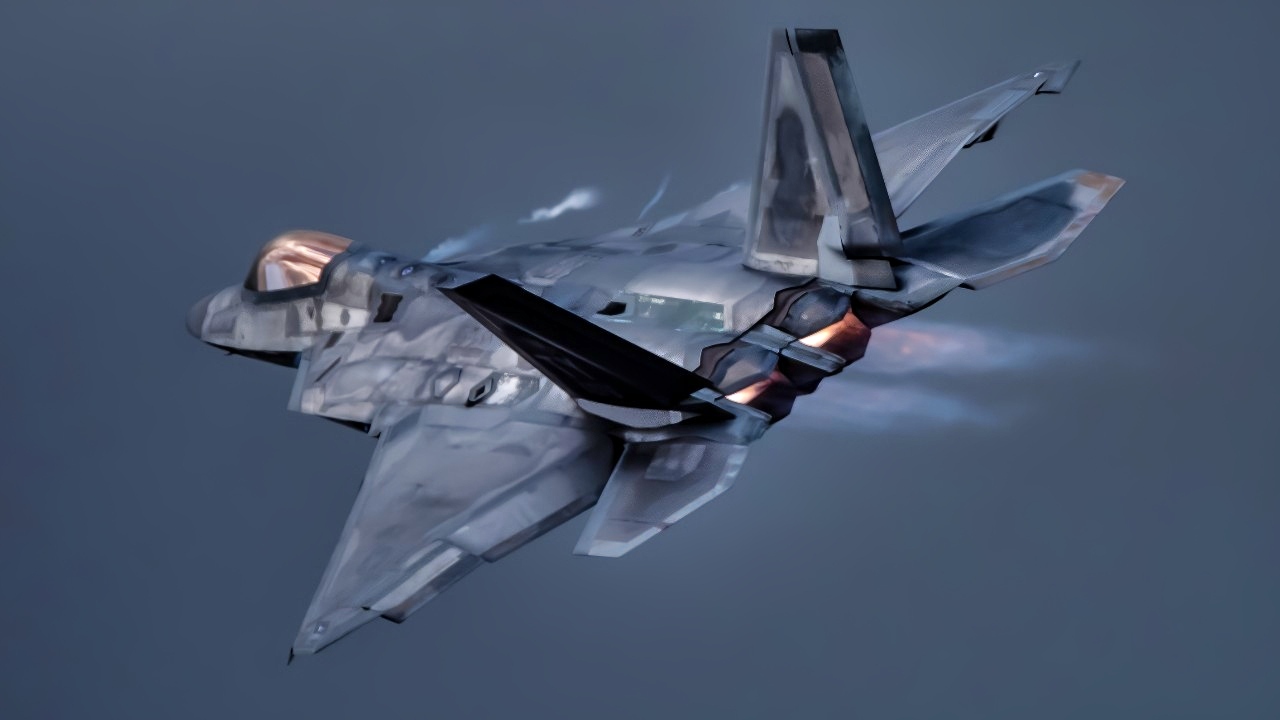
The Middle East reached a critical inflection point on February 28, 2026, as Israeli and U.S. forces launched a series of high-profile airstrikes against multiple targets within Iran, including Tehran, Isfahan, Qom, and Kermanshah. The operation prompted an immediate and total closure of regional airspace, signaling a potential shift toward full-scale regional conflict. Israeli Defense Minister Israel Katz characterized the operation as a "pre-emptive necessity" designed to eliminate imminent threats and remove risks associated with Iran's nuclear and missile programs. These strikes have triggered a wave of civilian flight cancellations and heightened military readiness across the globe. This escalation follows weeks of deteriorating diplomatic relations and a significant buildup of United States military assets in the region, including the historic deployment of F-22 Raptor stealth fighters to Israeli soil.
As of Saturday morning, the impact on international commerce and travel has been immediate. Civilian aviation authorities have reported widespread airspace disruptions, effectively grounding hundreds of flights and rerouting traffic away from the Persian Gulf. The geopolitical shockwaves have also extended to South Asia, where a separate but equally volatile conflict between Afghanistan and Pakistan has entered a state of "open war." On February 27, 2026, Pakistani Defense Minister Khawaja Asif announced the declaration against the Taliban, citing their sheltering of militant groups, further straining the United Nations' ability to provide humanitarian relief and maintain diplomatic channels.
Aviation and Logistics: Global Carriers Suspend Operations
The immediate fallout of the February 28 strikes was felt most acutely in the aviation sector. Major international carriers have suspended operations to Tel Aviv, Beirut, Amman, and several Gulf hubs, citing the unpredictability of missile activity and the closure of sovereign airspaces. The following table outlines the current status of major airlines as of February 28, 2026:
| Airline | Status | Details and Duration |
|---|---|---|
| Air France | Suspended | All flights to/from Tel Aviv and Beirut cancelled for February 28. |
| Lufthansa Group | Suspended | Suspensions to Tel Aviv, Beirut, and Oman until March 7; Dubai suspended Feb 28-29. |
| Wizz Air | Suspended | All flights to Israel, Dubai, Abu Dhabi, and Amman suspended until March 7. |
| KLM | Cancelled | Amsterdam-Tel Aviv route halted indefinitely pending security review. |
| Iberia Express | Cancelled | Tel Aviv flight (1700 local time) aborted; further schedule under review. |
| flydubai | Impacted | Routes adjusted due to Iraqi, Iranian, and Israeli airspace closures. |
| IndiGo | Monitoring | Airlines following government advisories; potential for widespread cancellations. |
The closure of these corridors has not only disrupted passenger travel but has also raised concerns regarding the global supply chain. With the Strait of Hormuz and surrounding air routes deemed high-risk zones, logistics experts warn of significant delays in the transport of electronic components and medical supplies between Europe and Asia.
U.S. Military Buildup and the March 2 Deadline
The strikes on Iran did not occur in a vacuum. In late February 2026, the United States signaled its hardening stance by deploying 11 F-22 Raptor stealth fighters to Ovda Air Base in Israel. While this marks the first-ever operational deployment of American combat aircraft to Israel, officials have described it as a "temporary forward deployment" for potential combat operations rather than a permanent stationing. U.S. President Donald Trump, speaking from Washington on Friday, expressed profound dissatisfaction with the progress of nuclear negotiations in Vienna, stating, "They cannot have nuclear weapons."
The Trump administration has established a critical timeline for Iranian compliance regarding uranium enrichment. A decision on further military intervention is expected by March 2, 2026—exactly ten days after the initial policy framework was established on February 20. The President stated he is "not happy" with Tehran’s current trajectory and is actively considering further action if a comprehensive deal to dismantle Iran's nuclear infrastructure is not reached. Secretary of State Marco Rubio is scheduled to arrive in Israel on March 2-3 to meet with regional leaders and address the escalating security crisis.
The Diplomatic Stagnation in Vienna
Despite the military escalation, some diplomatic threads remain, though they appear increasingly frayed. Indirect talks between the U.S. and Iran in Vienna yielded no significant movement on February 27, with U.S. negotiators reportedly leaving the talks disappointed. However, Omani Foreign Minister Badr al-Busaidi reported "significant progress" following a high-level meeting with U.S. Vice President JD Vance. The discrepancy between the Omani optimism and the U.S. military posture suggests a complex "dual-track" strategy of maximum pressure and back-channel communication.
Key hurdles in the negotiations include:
- Nuclear Decommissioning: The U.S. demands the verifiable destruction of Iranian nuclear facilities, a condition Tehran has repeatedly labeled as a violation of national sovereignty.
- Permanent Constraints: Washington is seeking a "permanent" deal rather than the "sunset clauses" found in previous iterations of the Joint Comprehensive Plan of Action (JCPOA).
Afghanistan-Pakistan Conflict: A New Front in South Asia
While global attention remains fixed on the Middle East, a secondary crisis has erupted on the border of Afghanistan and Pakistan. On February 27, UN Secretary-General António Guterres expressed "deep concern" over the escalation of violence between the two nations. Following the declaration of "open war" by Pakistan, the conflict has intensified with retaliatory offensives and cross-border attacks.
The violence has centered on the Torkham border crossing, a vital artery for trade and humanitarian aid. UN teams on the ground reported attacks on a transit center, leading to civilian casualties and the displacement of thousands. Overnight airstrikes on targets in Kabul and Kandahar have been reported as Pakistan responds to what it cites as its right to self-defense against unprovoked aggression from militant groups operating from Afghan soil.
Humanitarian Crisis in Gaza and the West Bank
The geopolitical instability is further complicating an already dire humanitarian situation in the Gaza Strip. According to UN reports released in late February, the volume of aid trucks entering the territory was halved during the month of February 2026. Supply shortages and the dismantling of previous security agreements have led to a breakdown in distribution networks.
The UN humanitarian report highlighted several critical issues:
- Logistical Bottlenecks: Two-thirds of the aid trucks sent via the Egyptian corridor were returned due to inspection delays and security concerns.
- Civilian Casualties: A UN commission has documented widespread attacks on civilians, including indiscriminate bombings, linked to the collapse of regional oversight mechanisms.
- Infrastructure Failure: Coordinated movements with Israeli authorities continue, but the frequency of strikes has made the "safe zones" increasingly precarious for NGOs.
Market Reactions: Oil Surges Amid "WW3" Fears
Global markets have reacted with volatility to the news of the strikes. West Texas Intermediate (WTI) crude oil prices surged to approximately $67 per barrel on February 27-28, driven by nuclear tensions and the military buildup. Analysts warn that if the conflict disrupts the Strait of Hormuz, gasoline prices in the United States could spike significantly, fueling fears of a renewed inflationary cycle.
On social media, the hashtags #IranStrikes and #WW3Fears have trended globally. Sentiment analysis reveals a "tense and alarmed" public, with many users expressing skepticism regarding the international community's ability to contain the various flashpoints. The narrative of a "convergence of chaos" is gaining traction as analysts link the Israel-Iran conflict with the tensions in South Asia and the ongoing war in Ukraine.
The Role of the IRGC and Hezbollah
Intelligence reports suggest that the Iranian Revolutionary Guard Corps (IRGC) continues to exert significant influence over Hezbollah’s operations in Lebanon. The IRGC is reportedly rebuilding its missile arsenal in the Bekaa Valley following recent IDF strikes on Hezbollah missile command centers. These strikes were condemned by Lebanese President Joseph Aun as an attempt to undermine U.S.-led diplomacy.
The presence of Iranian-made precision-guided munitions in Lebanon remains a primary justification for Israel's pre-emptive strategy. Israeli defense officials argue that allowing the IRGC to consolidate its "northern front" would pose an existential threat that outweighs the risks of the current escalation.
Conclusion: A World in Wait
As the sun sets on February 28, 2026, the international community remains in a state of high alert. The next 48 hours will be critical as the world waits for Iran's formal response to the morning's airstrikes and for the U.S. to reach its March 2 decision deadline. With diplomatic channels nearly exhausted and military assets deployed at historic levels, the margin for error has narrowed to its thinnest point in decades. The United Nations continues to call for an immediate cessation of hostilities, but the momentum on the ground suggests that global peace may yet find a new, deeper floor.
The situation remains fluid, and further updates are expected as Secretary of State Marco Rubio begins his regional tour on March 2 and as civilian aviation authorities reassess the safety of the world's most contested skies.
Comments (0)
No comments yet. Be the first to share your thoughts!