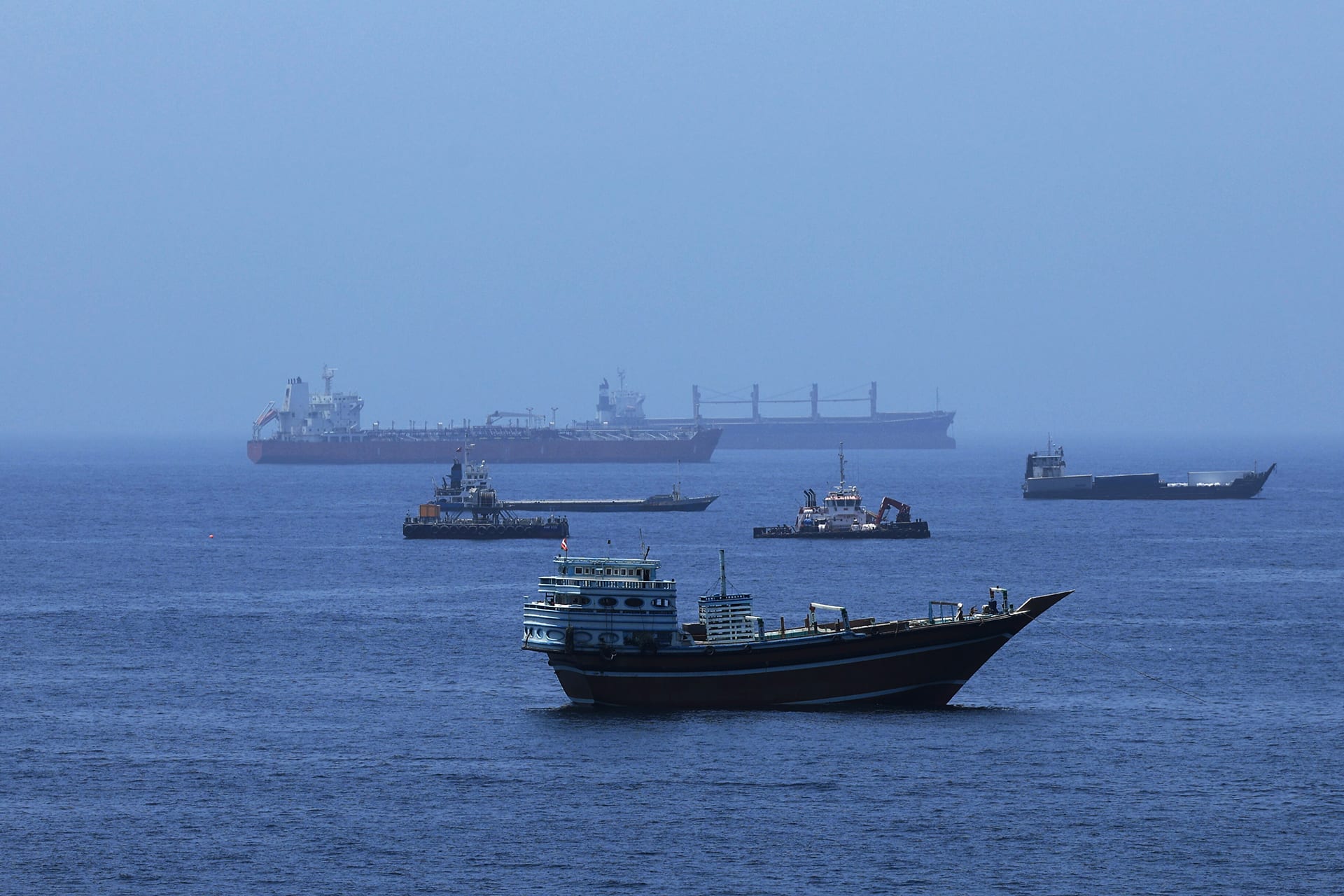
Strait of Hormuz Closed as US-Iran Hostilities Escalate
In a significant escalation of Middle Eastern hostilities, the Iranian government has declared the Strait of Hormuz closed to all maritime traffic as of July 12, 2026. This move follows a series of military exchanges on Saturday, July 11, in which United States forces conducted targeted strikes against approximately 80 sites, including Iranian port facilities, air surveillance radars, and missile storage. The Iranian Revolutionary Guard Corps (IRGC) responded by announcing the closure of the 21-mile-wide waterway, stating it will remain shut until U.S. interference in the region ceases.
The closure of the Strait, through which approximately one-fifth of the world's oil consumption passes, has sent immediate shockwaves through international markets. Officials in Washington stated that the initial strikes were a response to resumed Iranian attacks on oil tankers in the region. Tehran, however, has rejected a 24-hour ultimatum issued by the U.S. and its allies, signaling a prolonged standoff that threatens the stability of the global energy supply chain.
U.S. Treasury Issues Sanctions Against Khamenei Inner Circle
Parallel to the military action, the U.S. Department of the Treasury’s Office of Foreign Assets Control (OFAC) announced a comprehensive set of sanctions on Friday, July 10, 2026. These measures specifically target the financial network supporting Iran’s Mojtaba Khamenei, the son of the Supreme Leader. The sanctions list designates 13 targets, consisting of eight individuals and five companies identified as key financiers for the regime, aimed at crippling the IRGC's ability to fund maritime operations and regional proxies.
The following table details primary entities and individuals targeted in the latest round of U.S. sanctions:
| Entity/Individual | Role/Affiliation | Primary Reason for Sanction |
|---|---|---|
| Ali Ansari | Key Financier | Supporting Mojtaba Khamenei’s financial network |
| CDM Trading Limited | Commercial Entity (Hong Kong) | Facilitating illicit financial flows for the regime |
| Lavasani & Partners | Financial Services (Tehran) | Assisting in the circumvention of maritime sanctions |
| 10 Additional Targets | Mixed Individuals/Entities | Providing material support to the IRGC and leadership circle |
Diplomatic Fractures: Spain’s Ongoing Rupture with Israel
In Europe, diplomatic tensions remain high following Spain's permanent withdrawal of its ambassador from Israel, Ana María Salomón Pérez. The move occurred on March 11, 2026, following rifts over military strikes and humanitarian concerns in Gaza. The absence of formal diplomatic representation continues to influence European de-escalation strategies. The Spanish Ministry of Foreign Affairs has maintained that the withdrawal was a necessary response to the trajectory of regional hostilities.
This diplomatic rupture remains one of the most significant between a major EU member state and Israel. Analysts suggest that the lack of consensus on Middle Eastern policy among European nations complicates the international community's ability to present a unified front as the conflict between the U.S., Iran, and various regional actors intensifies.
Ukraine Targets Russian Energy Infrastructure
In Eastern Europe, the conflict continues to impact regional stability as Ukrainian forces conduct strikes on major Russian refineries and logistics hubs. These operations are part of a strategic effort to disrupt the energy infrastructure supporting the ongoing invasion. While Moscow has faced domestic pressure to stabilize fuel supplies following these drone strikes, international observers continue to monitor the potential for further economic restrictions in the region.
Humanitarian Crisis in Bangladesh: Monsoon Flooding Continues
While geopolitical tensions dominate the headlines, a severe humanitarian crisis is unfolding in South Asia. Torrential monsoon rains and mountain runoff have triggered catastrophic flash floods across Bangladesh. Authorities have reported significant casualties and widespread damage across multiple districts as the monsoon season intensifies.
The floods have caused extensive damage to infrastructure, cutting off remote villages and displacing thousands of families. Rescue operations are currently underway, though hampered by rising water levels and damaged transport links. The Bangladeshi government has issued an urgent appeal for aid as the monsoon season is expected to continue for several more weeks, threatening to exacerbate the already dire situation.
Security Success in Nigeria: Rescuing Kidnapped Schoolchildren
In West Africa, a major security operation has resulted in the successful rescue of 39 schoolchildren and six teachers in Nigeria’s Oyo state. The group had been held captive for 56 days following their abduction on May 15, 2026. A presidential spokesperson confirmed that the rescue, which took place on July 10, was the result of a coordinated effort between military intelligence and local security forces.
The 45 rescued individuals are currently receiving medical evaluations and psychological support. While the operation is being hailed as a significant victory for Nigerian security services, the incident highlights the ongoing challenges of domestic security and the persistence of kidnapping-for-ransom rings in the region.
Summary of Current Global Flashpoints
The events of the last several days represent a significant shift in the global security landscape. From the maritime blockade in the Persian Gulf to the strategic shifts in Eastern Europe, the international community is facing multiple simultaneous crises. The following list summarizes the primary developments as of July 12, 2026:
- Persian Gulf: Strait of Hormuz closed by Iran; U.S. military strikes on approximately 80 Iranian sites; sanctions announced July 10 against 13 targets in Mojtaba Khamenei’s network.
- Diplomacy: Spain maintains its withdrawal of its ambassador from Israel; international pressure mounts for mediation in the Ukraine conflict.
- Eastern Europe: Ukraine continues strikes on Russian energy infrastructure; regional tensions remain high.
- South Asia: Widespread flooding in Bangladesh; rescue operations underway amid rising water levels.
- Africa: 45 individuals (39 students and 6 teachers) rescued from kidnappers in Oyo state, Nigeria, after 56 days in captivity.
Analysis of Energy Market Impact
The closure of the Strait of Hormuz has immediately impacted global energy expectations. With safe passage through the Persian Gulf currently halted, shipping insurance rates have seen a dramatic increase. International energy analysts warn that if the closure persists, the global supply of crude oil and liquefied natural gas (LNG) will face unprecedented bottlenecks. The convergence of supply shocks has forced several nations to activate emergency strategic petroleum reserves.
Ongoing Domestic Unrest in Iran
Compounding the external military pressure, the Iranian government is facing intensified domestic challenges. Public sentiment has become increasingly alarmed by the military escalation and the potential for full-scale war. Reports indicate a tense domestic atmosphere, with a "new protest movement" gaining momentum as the population reacts to the IRGC's maritime strategy and the resulting international isolation.
Observers note that the IRGC’s decision to close the Strait of Hormuz may be an attempt to galvanize nationalist sentiment, but the strategy is being tested by internal instability. With the U.S. Treasury targeting the financial core of the leadership, the regime's ability to manage both a foreign confrontation and domestic dissent is under severe pressure.
Conclusion: A Weekend of Global Realignment
As of midday on July 12, 2026, the international order is in a state of rapid flux. The military actions in the Persian Gulf have transitioned from localized skirmishes to a full-scale maritime blockade. Meanwhile, the ongoing humanitarian crises in South Asia and Africa suggest that global security protocols are being fundamentally rewritten.
Government agencies and international bodies, including the UN Security Council, are expected to hold emergency sessions to address the Hormuz closure and the burgeoning humanitarian needs in Bangladesh. For now, the focus remains on the Strait, where the world’s energy security hangs in a delicate balance between military posturing and diplomatic desperation.
Comments (0)
No comments yet. Be the first to share your thoughts!