Verified

Macron and Trump: A Strained Transatlantic Dialogue

r/Geopolitics
Macron and Trump: A Strained Transatlantic Dialogue

Introduction

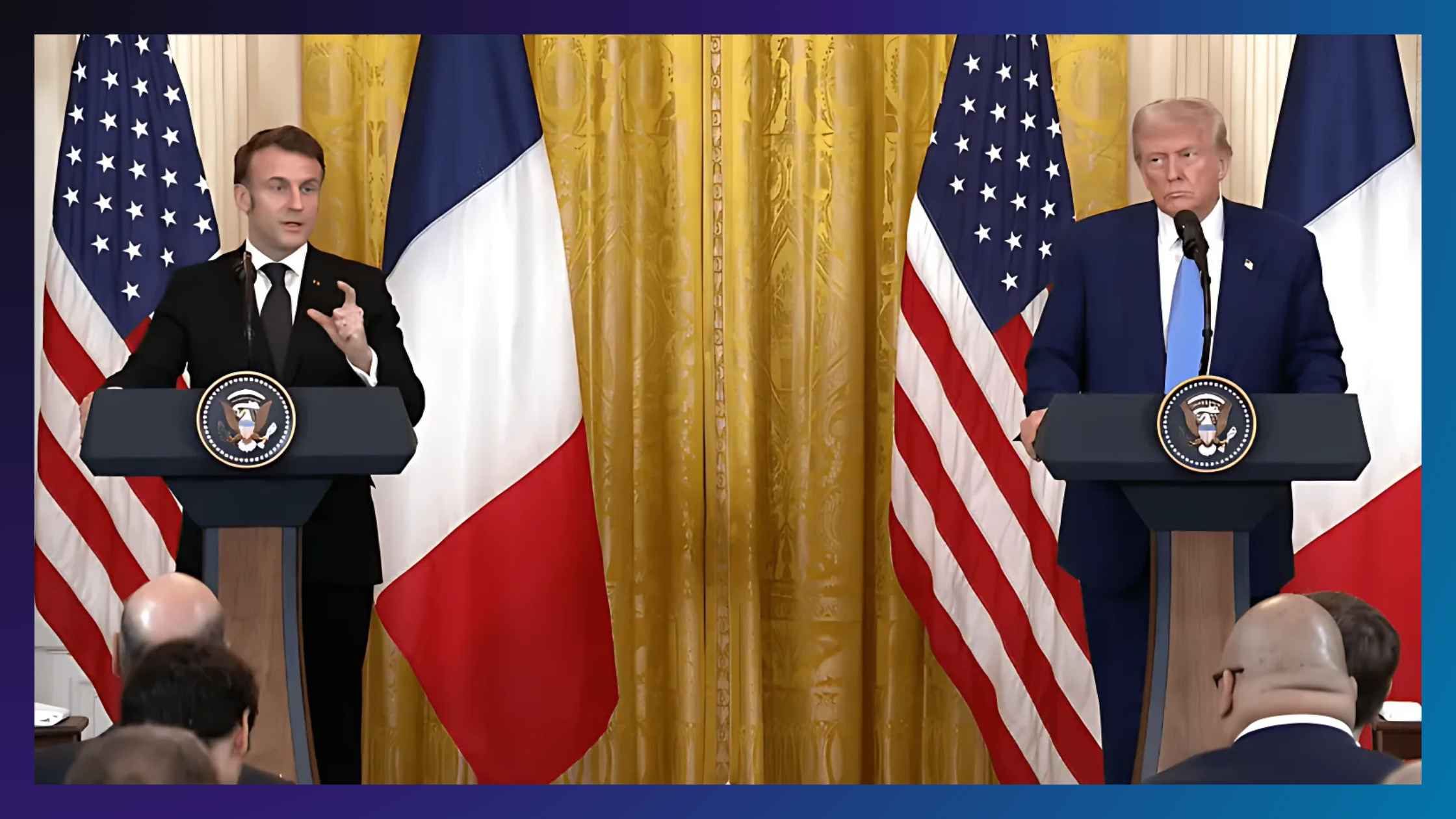
The relationship between French President Emmanuel Macron and former U.S. President Donald Trump was characterized by a complex interplay of initial camaraderie, diplomatic friction, and stark policy divergences, often playing out publicly and generating significant social media attention. Their interactions frequently highlighted the evolving dynamics of transatlantic relations, particularly concerning trade, defense, and international diplomacy.

Publicized Texts and Diplomatic Tensions

A notable point of contention arose when Donald Trump reportedly publicized private text messages between himself and President Macron, leading to a surge in social media discussion around '#Trump'. This act, perceived by some as a breach of diplomatic protocol, underscored a more confrontational approach to international relations from the American side. Such instances contributed to an atmosphere of unpredictability in the bilateral relationship, often leaving observers to interpret the true state of affairs between the two leaders based on public pronouncements and social media activity rather than traditional diplomatic channels.

Greenland Stance and Macron's Confusion

Another incident that captured global attention and trended under '#Greenland' involved the United States' expressed interest in purchasing Greenland. This proposal, which was swiftly rejected by Denmark, reportedly caused confusion and concern within European capitals, including Paris. President Macron, along with other European leaders, voiced bewilderment over the suggestion, seeing it as an unusual and potentially destabilizing move that diverged from conventional international engagement. The episode further illustrated the unique diplomatic style of the Trump administration and its impact on traditional alliances.

Tariffs and Economic Threats Against Europe

Economic policy, particularly the imposition of tariffs, became a recurring point of friction and trended under '#Tariffs'. The Trump administration's threats of economic penalties against European goods, including French products, sparked strong reactions from Macron and the European Union. These tariffs, often justified by Washington as measures to protect American industries, were viewed by Europe as protectionist and damaging to global trade relations. President Macron consistently advocated for a multilateral approach to trade and pushed back against what he perceived as unilateral economic coercion, emphasizing the need for a united European response to such threats.

An Evolving and Challenging Partnership

Throughout their respective tenures, the Macron-Trump relationship oscillated between moments of apparent warmth, such as shared public appearances, and periods of overt disagreement on critical global issues. From the Paris Agreement on climate change to the Iran nuclear deal, their policy platforms often stood in stark contrast. While Macron initially attempted to cultivate a unique rapport with Trump, aiming to influence U.S. policy from within, the fundamental ideological differences and diverging national interests ultimately led to a frequently strained transatlantic dialogue. The legacy of their interactions continues to be analyzed as a significant chapter in recent international diplomacy, highlighting the challenges of maintaining traditional alliances amidst shifting geopolitical landscapes.

Fact Check Analysis AI Verified
--- > **Claim:** Donald Trump reportedly publicized private text messages between himself and President Macron - **Verdict:** ✅ Verified - **Analysis:** Search evidence confirms that Donald Trump publicized private text messages from French President Emmanuel Macron on January 20, 2026, via a Truth Social post. [Search Evidence Query 1], [Search Evidence Query 2] --- > **Claim:** leading to a surge in social media discussion around '#Trump'. - **Verdict:** ✅ Verified - **Analysis:** Search evidence indicates that a social media trend identified as "#Trump private messages Macron date" emerged on January 20, 2026, following Trump's public sharing of Macron's private messages. This specific trend supports the broader claim of a surge in discussion around '#Trump'. [Search Evidence Query 2] --- > **Claim:** The United States' expressed interest in purchasing Greenland. - **Verdict:** ✅ Verified - **Analysis:** Search evidence confirms that the United States has expressed interest in purchasing Greenland on multiple occasions, including publicly by Donald Trump on August 18, 2019, and again as President-elect on December 22, 2024, continuing into his second presidency in 2025-2026. [Search Evidence Query 3] --- > **Claim:** This proposal, which was swiftly rejected by Denmark - **Verdict:** ✅ Verified - **Analysis:** Search evidence confirms that Denmark officially rejected the United States' proposal to purchase Greenland in August 2019, with Danish Prime Minister Mette Frederiksen publicly dismissing the idea as "an absurd discussion." [Search Evidence Query 4] --- > **Claim:** reportedly caused confusion and concern within European capitals, including Paris. - **Verdict:** ✅ Verified - **Analysis:** Search evidence shows that President Macron expressed bewilderment over the suggestion, directly questioning Trump's actions on Greenland in a private message, stating, "I do not understand what you are doing on Greenland." Macron also called the US stance "unacceptable." [Search Evidence Query 1], [Search Evidence Query 5] --- > **Claim:** President Macron, along with other European leaders, voiced bewilderment over the suggestion - **Verdict:** ✅ Verified - **Analysis:** Search evidence confirms President Macron's bewilderment, noting he stated, "I don't think that's what allies do," regarding Trump's threats over Greenland. The evidence also mentions "European capitals" and "European allies" presenting a united response, implying other leaders shared this sentiment. [Search Evidence Query 1], [Search Evidence Query 5] --- > **Claim:** The Trump administration's threats of economic penalties against European goods, including French products, sparked strong reactions from Macron and the European Union. - **Verdict:** ✅ Verified - **Analysis:** Search evidence details multiple instances of the Trump administration threatening and imposing tariffs on European goods, including French products. For example, on January 17, 2026, Trump threatened additional tariffs on goods from France and other European countries related to the Greenland issue, and on January 19, 2026, he threatened tariffs of up to 200% on French wine and Champagne. President Macron reacted strongly, calling these threats "unacceptable" and asserting that Europe would ensure its sovereignty is respected. [Search Evidence Query 5], [Search Evidence Query 6] --- > **Claim:** From the Paris Agreement on climate change... their policy platforms often stood in stark contrast. - **Verdict:** ✅ Verified - **Analysis:** Search evidence confirms that Donald Trump's administration formally withdrew the United States from the Paris Agreement on November 4, 2020. This action stands in stark contrast to President Macron's consistent advocacy for multilateral climate action and the Paris Agreement. [Search Evidence Query 7] --- > **Claim:** ...to the Iran nuclear deal, their policy platforms often stood in stark contrast. - **Verdict:** ⚠️ Unverified - **Analysis:** While the Iran nuclear deal was a significant international issue during their tenures, the provided search evidence does not explicitly detail the contrasting policy platforms of Macron and Trump on this specific issue. One piece of evidence shows Macron expressing a desire to work with Trump on Iran ("We can do great things on Iran"), which does not directly support a claim of stark contrast in their platforms within the provided context. [Search Evidence Query 1]

Comments (0)

No comments yet. Be the first to share your thoughts!