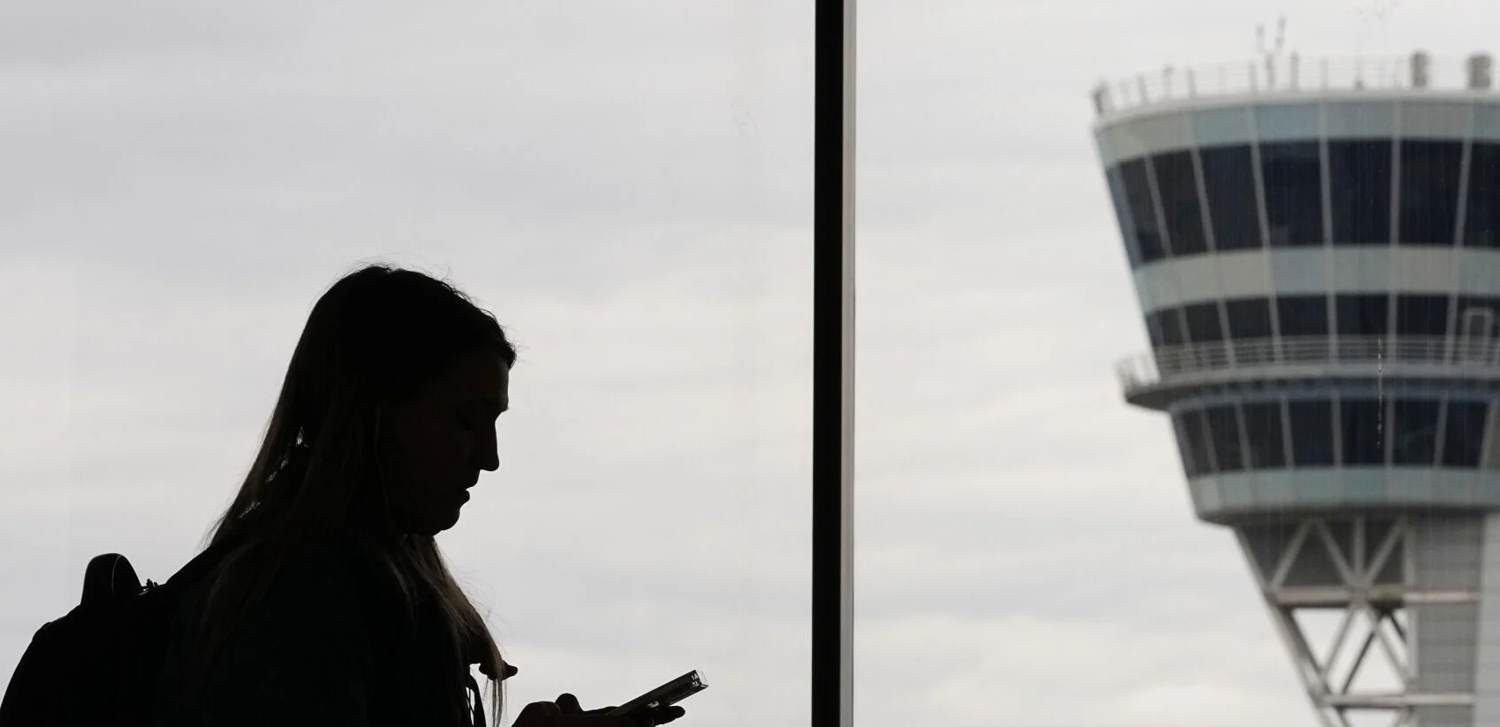
Summary of the Incident
A severe communications failure at the Federal Aviation Administration’s Philadelphia Terminal Radar Approach Control facility triggered widespread flight cancellations, diversions, and ground stops across the U.S. Northeast, according to federal officials. The disruption paralyzed operations at major hubs including Newark Liberty International Airport, Philadelphia International Airport, John F. Kennedy International Airport, and LaGuardia Airport.
Causes of the Outage
According to Federal Aviation Administration Administrator Bryan Bedford, the disruption began on Monday morning when a primary communications circuit at the Philadelphia facility failed. When air traffic controllers attempted to switch to secondary backup channels, they discovered that the backup fiber-optic line had also been severed.
Federal officials confirmed that the backup line was accidentally cut during third-party construction work in New Jersey, situated between Newark and New Brunswick. The simultaneous loss of both primary and backup pathways stripped controllers of critical radar and voice communications data for hours, preventing a seamless transition to redundancy.
Immediate Impacts Across the Region
The sudden loss of infrastructure forced sweeping ground stops across one of the densest air corridors in the country. Newark Liberty International Airport bore some of the heaviest operational consequences, recording zero commercial flight arrivals for several hours alongside hundreds of cancellations and severe delays stretching past two hours. Philadelphia International Airport experienced parallel disruptions, while cascading delays quickly rippled into New York's major terminals.
Airlines scrambled to hold aircraft at departure gates nationwide to prevent congested airspace over the Northeast. Thousands of travelers experienced extensive delays, missed connections, and widespread cancellations as the regional grid locked up.
Restoration and Official Response
Transportation Secretary Sean Duffy stated that repair crews worked through Monday to mend the damaged physical lines. By Monday evening, the communication circuits were restored, allowing federal authorities to lift ground stops and gradually resume normal flight flows across the Northeast corridor.
Aviation safety analysts noted that the incident exposed a systemic vulnerability in air traffic management architecture. Because the failure impacted a regional facility managing multiple high-traffic metropolitan airports simultaneously, the localized infrastructure break resulted in an unusually broad multi-state paralysis rather than a localized hub delay.
Comments (0)
No comments yet. Be the first to share your thoughts!