New Delhi
The BRICS summit concluded in New Delhi on Saturday with the unanimous adoption of the Delhi Declaration, following intensive overnight negotiations that successfully bridged divisions among member nations on sensitive geopolitical issues.
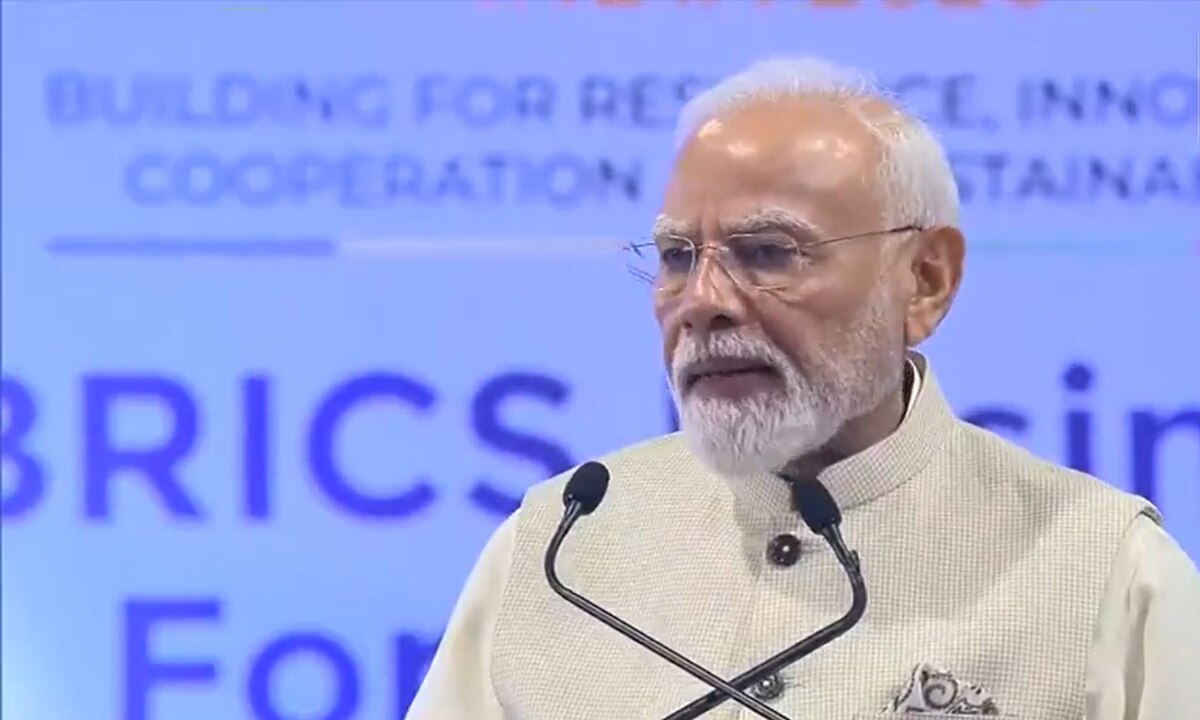
Indian Prime Minister Narendra Modi announced the final agreement during the closing session at the Bharat Mandapam convention center, declaring that no member had raised objections to the text. The consensus was finalized early Saturday morning after hours of diplomatic talks addressing multilateral trade, security, and global governance reform.
According to the adopted text, the declaration avoids naming specific countries but explicitly condemns unilateral military actions, endorsing instead peaceful dispute resolution through dialogue and diplomacy. The document emphasizes a multilateral approach that respects differing national positions while pressing for broader structural reforms within international institutions.
Trade, Governance, and Regional Security
Trade policy emerged as a central pillar of the discussions. The declaration raises concerns regarding unilateral tariff and non-tariff measures that distort international commerce and conflict with World Trade Organization rules. Member states reinforced their collective push for comprehensive reform of global governance frameworks, seeking stronger representation for developing countries within the Global South.
Diplomatic efforts faced significant hurdles regarding the West Asia conflict. According to participating officials, India successfully navigated divergent views among members, including Iran and the United Arab Emirates, to secure unified language addressing regional hostilities. The final text addresses conflict prevention, outlines a firm stance against terrorism, and calls for substantial United Nations reform to grant developing nations a larger voice in international decision-making.
Observers noted that securing a unified consensus represents a major diplomatic success for India, demonstrating the bloc's capacity to maintain cohesion despite profound geopolitical complexities among its expanded membership.
Background
The BRICS bloc, originally comprising Brazil, Russia, India, China, and South Africa, has progressively expanded its diplomatic footprint and economic scope to champion the interests of emerging economies. The New Delhi summit marks a key milestone in the group's ongoing efforts to coordinate policy positions on global trade reform and multilateral security frameworks.
Comments (0)
No comments yet. Be the first to share your thoughts!