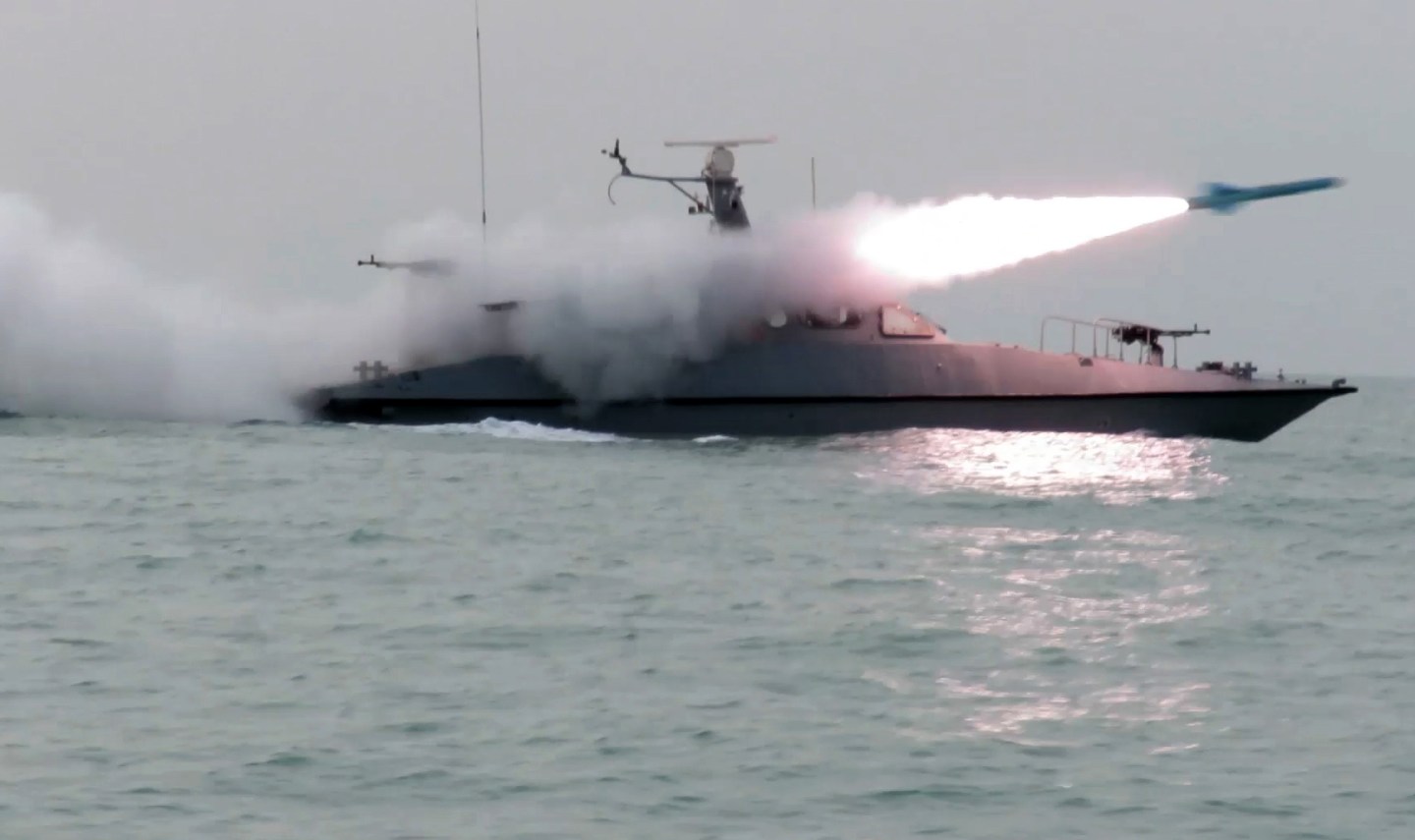
Escalation of Military Action in the Strait of Hormuz
The United States military initiated a series of concentrated offensive strikes against Iranian targets on July 7 and July 8, 2026, marking a significant escalation in the regional conflict. U.S. Central Command (CENTCOM) coordinated two consecutive nights of precision strikes following a declaration by the Trump administration on July 8, 2026, that the standing ceasefire was officially "over." These actions were described as a direct response to a series of Iranian attacks on commercial shipping vessels and regional military installations earlier in the week, which the U.S. characterized as a clear violation of the ceasefire.
On July 7, 2026, the U.S. military targeted over 80 specific locations within Iran. The strikes utilized precision-guided munitions to neutralize assets that the Pentagon identified as threats to international maritime security. The following night, Wednesday, July 8, a second wave of attacks was launched against approximately 90 additional military targets along Iran's coastline, including missile and drone storage sites. This second round confirmed the total collapse of the agreement that had briefly paused hostilities. CENTCOM officials stated that the primary objectives included the degradation of Iran’s ability to project force in the Strait of Hormuz and the Persian Gulf.
Tactical Analysis of U.S. Strikes
The military operations targeted a diverse array of Iranian strategic assets. According to official reports, the strikes focused on air defense systems, command and control networks, and coastal radar sites that had been used to track commercial traffic. Furthermore, the U.S. Navy and Air Force targeted anti-ship missile batteries and launch platforms. A significant portion of the engagement involved the destruction of more than 60 Islamic Revolutionary Guard Corps (IRGC) small boats and fast-attack craft, which had been utilized in recent harassment operations against merchant vessels.
The precision of the strikes was intended to minimize collateral damage while maximizing the disruption of the IRGC’s maritime capabilities. The second night of strikes on July 8 was specifically aimed at reinforcing the message that the U.S. would no longer adhere to the previous ceasefire terms following what the administration described as repeated Iranian provocations.
Iranian Maritime Attacks and Regional Retaliation
The resumption of U.S. offensive operations followed a period of intense Iranian activity in the Strait of Hormuz. Between July 6 and July 7, 2026, the IRGC targeted multiple commercial vessels, disrupting one of the world's most critical transit points for global trade. These attacks involved a combination of drone strikes, projectiles, and boarding attempts, leading to heightened alerts for all maritime operators in the region.
| Date | Vessel Name | Flag State | Incident Type |
|---|---|---|---|
| July 7, 2026 | M/T Al Rekayyat | Qatar | Projectile Attack/Engine Room Fire |
| July 7, 2026 | M/T Wedyan | Saudi Arabia | Missile Attack/Damage |
In addition to maritime targets, Iran expanded its retaliatory strikes to include U.S. military interests in neighboring countries. On July 5, drone and missile attacks were directed toward facilities in Kuwait and Bahrain. Following the heavy U.S. bombardment, the IRGC claimed responsibility for a second round of strikes on July 8. These retaliatory efforts targeted U.S. assets in Bahrain, Kuwait, and Qatar, specifically aiming at Patriot missile systems and fuel depots, further complicating the security environment for coalition forces stationed in the Gulf.
Diplomatic Initiatives and the Role of Vice President JD Vance
Despite the intensification of military engagements, diplomatic channels remain partially active through neutral intermediaries. U.S. Vice President JD Vance has been designated as the chief negotiator for the Trump administration, leading the American delegation at technical-level negotiations held in Bürgenstock, Switzerland. Vance’s primary objective is to reach a definitive conclusion to the hostilities while addressing concerns regarding Iran’s nuclear capabilities.
The Swiss Foreign Ministry confirmed that it continues to provide a secure environment for negotiations. These talks, described as a "60-day sprint," focus on the potential execution of a new memorandum to replace the failed ceasefire. Vice President Vance reported that during the initial phase of these discussions, Iran agreed to the return of international nuclear inspectors. However, this development remains a point of contention, as the Iranian Foreign Ministry subsequently denied making any such new commitments regarding IAEA verification. Despite this dispute, the 60-day window for intensive negotiations continues to determine the future of Iran’s nuclear program and address the security of the Strait of Hormuz.
Meta Introduces 'Muse' AI Model for Social Platforms
In the technology sector, Meta has officially launched the "Muse" series, including Muse Image (launched July 7) and Muse Spark 1.1 (launched July 9, 2026), its latest artificial intelligence models designed for advanced image generation. Integrated directly into Instagram and WhatsApp, the Muse model represents a significant update to Meta's creative toolset. As a new multimodal reasoning family, Muse is distinct from the Llama models, allowing users to generate high-fidelity images through natural language prompts and streamlining the content creation process for millions of users globally.
The rollout of Muse includes several key features designed for both casual users and professional creators:
- New Architecture: A new multimodal reasoning family that is not a successor to or replacement for the Llama models.
- Real-time Generation: Optimized for mobile devices, allowing for near-instantaneous image creation and real-time language switching within chat interfaces.
- Privacy Controls: Implements new safety filters and watermarking technologies to prevent the creation of deceptive content.
- Global Language Support: Includes expanded support for various regional languages to cater to Meta's global user base.
The introduction of Muse comes as Meta continues to focus on practical applications for AI in daily communication. While the tool has been met with positive reviews for its speed and accuracy, it has also prompted discussions regarding digital privacy and the ethical use of AI-generated imagery in social media environments.
Christian Pulisic Faces Injury Recovery Following World Cup
In sports news, United States Men’s National Team (USMNT) star Christian Pulisic is recovering from a significant injury sustained during the 52nd minute of the World Cup round-of-16 match against Belgium, which resulted in a 4-1 loss for the U.S. in Seattle. Medical evaluations, including X-ray and MRI results, confirmed that Pulisic suffered a bone bruise and a microfracture of the right tibia and fibula. This setback is expected to keep him out of competitive play for four to six weeks.
Following the diagnosis, AC Milan’s medical staff and management have emphasized a policy of caution regarding his rehabilitation. However, unlike earlier reports of an extended layoff, Pulisic is projected to return to training in August. He is currently expected to be available for AC Milan’s Serie A opener against Torino on August 23, with trainers focusing on a gradual return-to-play protocol to prevent any long-term complications.
Impact on AC Milan and USMNT
Pulisic's recovery is a primary focus for both his club and the national team. For AC Milan, he remains a pivotal figure in the offensive lineup. The club will monitor his progress closely during the pre-season period. For the USMNT, the loss of their captain during the conclusion of their World Cup run necessitated a shift in leadership and tactical execution during the final stages of the tournament.
The recovery timeline for Pulisic is summarized below:
- Injury Type: Microfracture of the right tibia and fibula, and bone bruise.
- Estimated Recovery: 4 to 6 weeks.
- Expected Availability: Projected return for the Serie A opener against Torino (August 23).
- Rehabilitation Focus: Non-weight-bearing exercises followed by progressive physical therapy.
Regional Security and Maritime Safety Measures
Returning to the conflict in the Middle East, the repeated attacks on commercial shipping have prompted international maritime organizations to issue new safety protocols. Vessels transiting the Strait of Hormuz are now advised to maintain increased bridge watches and utilize private maritime security teams where possible. The United Kingdom Maritime Trade Operations (UKMTO) has increased its monitoring frequency and issued multiple regional alerts, providing real-time updates to shipping companies operating in the Gulf of Oman and the Persian Gulf.
The strikes on July 7 and 8 have led to a temporary reduction in IRGC naval activity, though officials warn that the threat of asymmetric attacks remains high. The use of "suicide" drones and fast-attack craft continues to be the primary method of Iranian interference with commercial traffic. Coalition forces have increased their presence in the region to provide escorts for high-value tankers, particularly those flagged by nations that have been targeted in the recent wave of hostilities.
Conclusion of Current Diplomatic Efforts
As of July 10, 2026, the situation remains fluid. The dual-track approach of the United States—combining heavy military pressure with high-level negotiations led by Vice President Vance—is currently being tested. The 60-day window for negotiations serves as a critical period for potential de-escalation, though the recent collapse of the ceasefire and conflicting reports regarding inspector access suggest a difficult path forward. The international community continues to monitor the Bürgenstock talks closely, hoping for a resolution that ensures maritime stability and regional security.
Comments (0)
No comments yet. Be the first to share your thoughts!