Introduction and Overview of Recent Developments
The diplomatic and security landscape involving the United States and Iran continues to experience rapid shifts, characterized by alternating periods of mediated discussions and renewed military friction [2, 4, 5]. International observers, diplomatic entities, and regional governments closely monitor developments as communication channels encounter both openings and obstacles [2, 4]. While diplomatic intermediaries maintain platforms for dialogue, operational conditions in critical waterways such as the Strait of Hormuz reflect persistent friction and security concerns [2, 3].
Recent diplomatic reports indicate that international channels hosted by nations like Switzerland continue to offer a discrete environment for dialogue concerning memorandum frameworks and prospective de-escalation steps [3]. Concurrently, public statements from leadership figures on both sides outline differing perspectives regarding the viability and status of ongoing arrangements [2, 4, 5].
Diplomatic Channels and Mediation Efforts
Diplomatic engagement remains active through various international intermediaries, though public alignment between Washington and Tehran faces recurrent friction [2, 3, 4]. Reports from diplomatic sources highlight ongoing communication via Swiss channels, aiming to preserve a reliable environment for dialogue [3]. Officials have evaluated proposals and responses concerning bilateral understandings, while regional figures—including Pakistan’s Army Chief Asim Munir—have engaged in diplomatic exchanges regarding regional stability [9].
Discussions have periodically addressed technical matters, including inspection frameworks and communication mechanisms designed to reduce operational misunderstandings [2]. However, public stances from government spokespersons often present contrasting views on whether formal negotiation rounds have been officially scheduled or if participants have agreed to temporary stand-downs [2, 4].
Maritime Security and Commercial Transit in the Strait of Hormuz
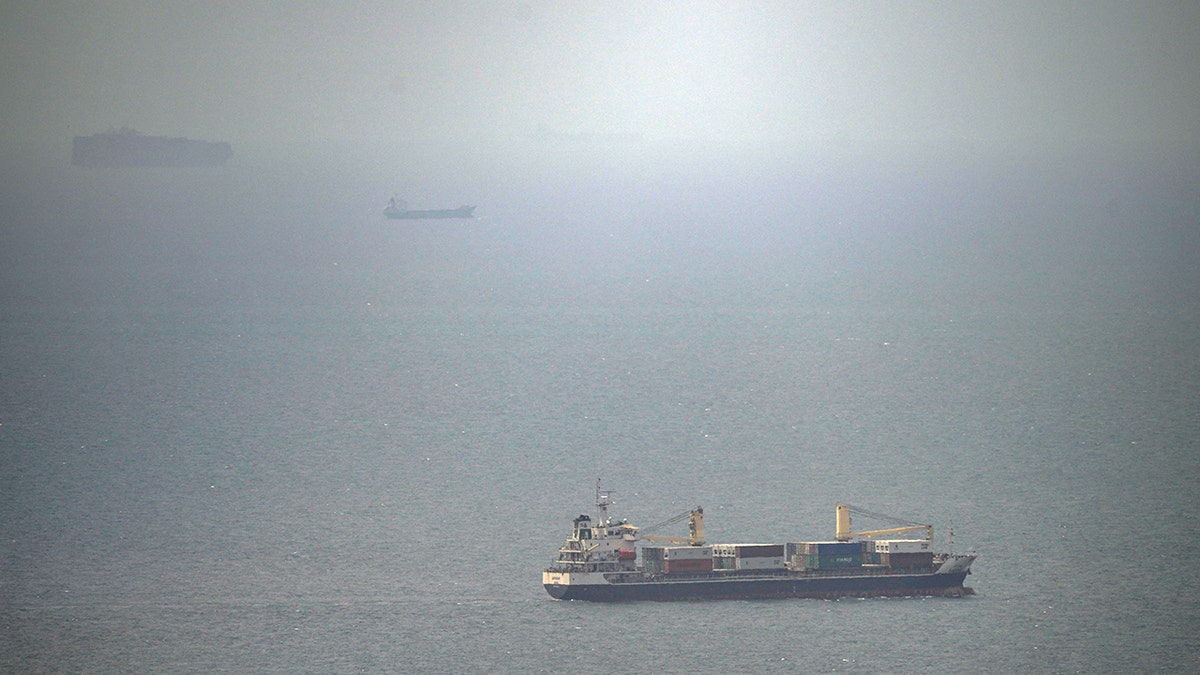
The Strait of Hormuz remains a central focal point for international commerce, security patrols, and strategic posturing [2, 3]. Operational metrics from the region demonstrate a noticeable contraction in commercial vessel crossings compared to pre-conflict baselines [2]. Communication protocols, including the establishment of dedicated coordination hotlines, have been discussed to prevent unintended maritime escalations [2].
Maritime authorities and international shipping associations track traffic density closely, balancing commercial imperatives against security warnings issued by regional commands [2, 3]. Below is a tabular overview summarizing recent commercial transit metrics and diplomatic communication milestones based on reporting from international news agencies:
| Metric / Parameter | Reported Status / Figure | Context / Source Reference |
|---|---|---|
| Pre-Conflict Commercial Average | ~110 commercial ships per day | Baseline maritime traffic data [2] |
| Recent Daily Crossings | At least 24 commercial ships | Measured over a recent 24-hour window [2] |
| Communication Protocols | Hotline establishment discussed | Intended to prevent maritime misunderstandings [2] |
| Diplomatic Hosting Venue | Switzerland | Provides a discrete environment for memorandum talks [3] |
Military Posture and Operational Context
Operational reports from international news organizations outline a complex environment marked by intermittent security actions and strategic announcements [3, 5]. Official statements from military commands in the region have periodically addressed transit access and defensive readiness [3], while international updates note instances of renewed military activity and targeted infrastructure responses [5].
Strategic assessments from research organizations trace the origins of the current heightened posture back to initial military engagements earlier in the year [11]. Analysts continue to evaluate the broader implications of these developments on regional security architectures, commercial supply chains, and diplomatic continuity [2, 3].
Broader Regional Impacts and Outlook
The interplay between military readiness and diplomatic overtures leaves the trajectory of bilateral relations subject to continuous reassessment by foreign policy analysts [2, 4, 9]. Governments across international blocs emphasize the necessity of maintaining open communication conduits to mitigate miscalculations in strategic zones [2]. As representatives evaluate upcoming proposals and coordinate through neutral diplomatic hosts, the international community continues to monitor whether foundational understandings can be established to stabilize regional security conditions [3, 9].
Comments (0)
No comments yet. Be the first to share your thoughts!