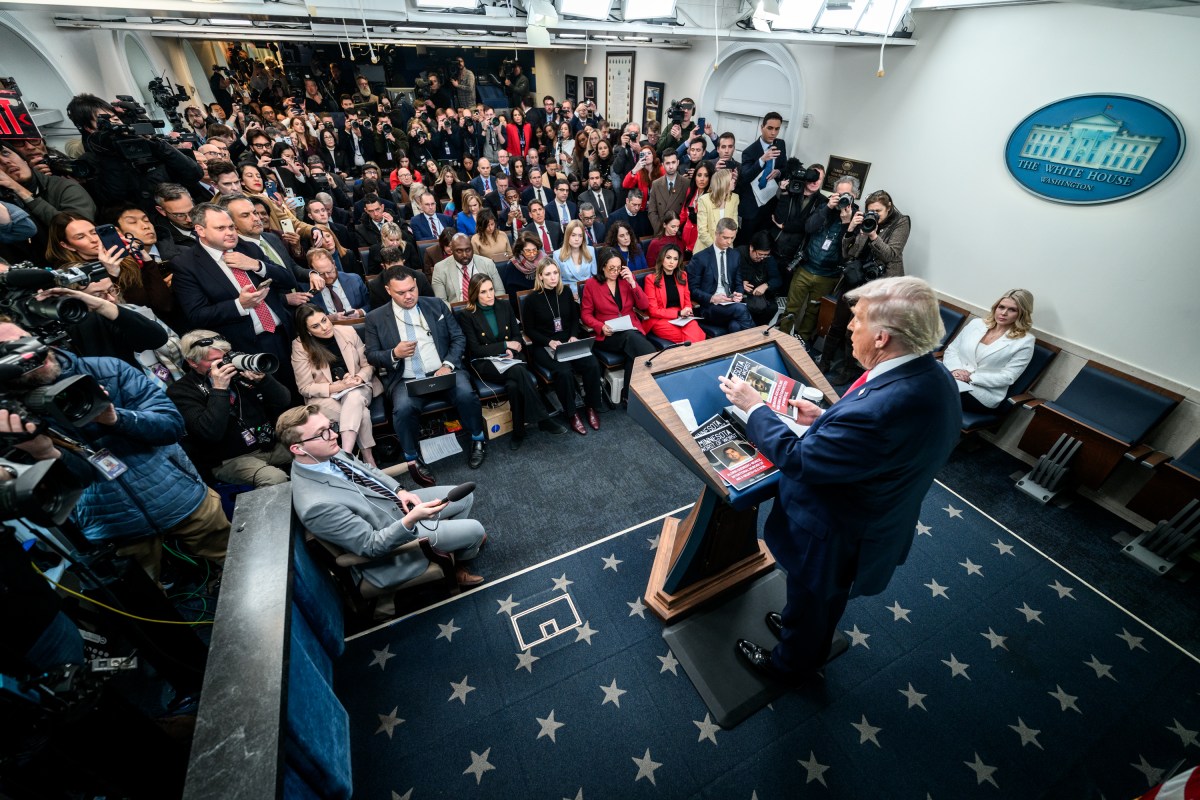
Trump Signs Major Sanctions Package Into Law
President Donald Trump signed the Lindsey O. Graham Sanctioning Russia and Iran Act of 2026 into law on Friday, September 18, 2026, enacting a comprehensive package of statutory sanctions, trade prohibitions, and tariff authorities targeting Russia and Iran, according to White House statements. The legislation immediately expands punitive economic measures against Moscow in response to its ongoing war in Ukraine while extending existing statutory sanctions on Iran.
The White House confirmed that the legislation—designated as H.R. 5334—formally entered into force following its signing. The measure cleared Congress earlier in the week, passing the Senate before securing a 262-159 vote in the House of Representatives.
Key Provisions and Secondary Sanctions Authority
The newly enacted law introduces a wide array of economic restrictions aimed at crippling financial support for Moscow's military operations. Key elements of the legislation include:
- Targeted sanctions against top Russian government officials, including Russian President Vladimir Putin, alongside financial institutions, banks, and oligarchs.
- Measures directed at Russia’s defense and energy sectors, as well as the maritime "shadow fleet" utilized to transport Russian petroleum exports.
- Authority for the president to impose secondary tariffs of up to 100 percent on the largest foreign purchasers of Russian crude oil and natural gas.
- An extension of the foundational legislation governing U.S. sanctions on Iran's energy and weapons sectors.
The secondary-tariffs provision grants the executive branch broad leverage over major global energy importers. While the text applies broadly to large-scale buyers, foreign policy analysts note that the mechanism carries significant implications for major importers of Russian hydrocarbons, most notably China and India. Although the statute provides discretionary waiver authority allowing the administration to delay or adjust measures, the prospective tariff threat has introduced fresh complexity into Washington's trade and diplomatic relationships with key developing economies.
Legislative Background and Congressional Passage
The bill is named in honor of the late Senator Lindsey Graham, who helped spearhead and negotiate the framework before his death in July 2026 at the age of 71. Graham had championed the bipartisan legislative effort as a necessary tool to enforce maximum economic pressure on the Kremlin.
While the legislation enjoyed strong bipartisan backing across both chambers, some congressional Democrats voiced reservations during the legislative process regarding the broad expansion of executive tariff authority. Supporters maintained that the statutory teeth are essential to constrain Moscow's war economy as the conflict in Ukraine continues without a definitive diplomatic resolution.
Comments (0)
No comments yet. Be the first to share your thoughts!