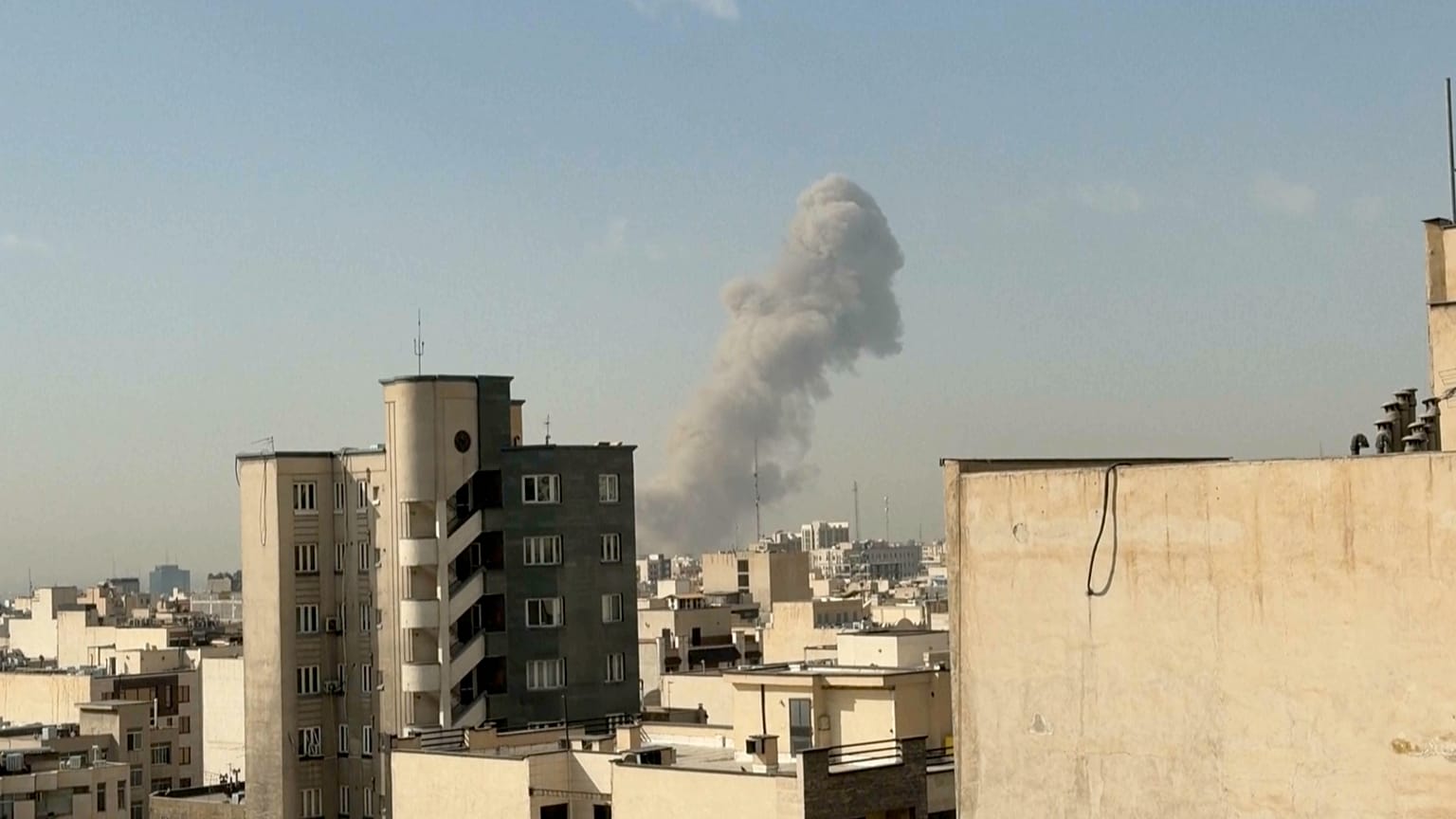
The Intensification of Operation Epic Fury
As of March 4, 2026, the coordinated US-Israeli military campaign against the Islamic Republic of Iran, known as Operation Epic Fury, has entered its fifth day of high-intensity conflict. Transitioning from the initial suppression of air defenses that began on February 28, the campaign has shifted to a massive assault on the nation’s core political and military command structures. Following a series of unprecedented strikes, the regional security landscape has shifted dramatically, characterized by the targeting of administrative hubs in Tehran and the retaliatory closure of the Strait of Hormuz by the Islamic Revolutionary Guard Corps (IRGC).
The conflict has now reached a critical juncture. Israeli and United States forces have expanded their target list to include the highest levels of Iranian governance following the death of Supreme Leader Ayatollah Ali Khamenei on the first day of the campaign, February 28. According to military reports, the campaign aims to dismantle Iran’s strategic capabilities, including its missile arsenal, naval assets, and command-and-control links between the central government and its regional proxy network.
Decapitation Strikes: Targeting the Political and Clerical Core
On March 3, 2026, the Israeli Air Force conducted an aerial assault striking hundreds of targets across Iran. In Tehran, administrative hubs and command centers were targeted in a wave intended to disrupt the state's leadership following the loss of the Supreme Leader. While the strikes were extensive, specific details regarding the exact number of missiles used in individual districts remain under assessment by regional analysts.
The loss of Ayatollah Khamenei has created a significant power vacuum within the Iranian state. While the Iranian constitution provides frameworks for succession, the ongoing high-intensity bombardment has complicated the transition of power. Reports suggest that remaining leadership figures are attempting to manage the crisis from secure locations, though no official interim governing body has been confirmed by international observers.
The following table summarizes the primary military engagements and target data reported as of March 4, 2026:
| Category | Reported Data / Status |
|---|---|
| Total Iranian Targets Struck | Approximately 2,000 (as of March 4) |
| Iranian Naval Losses | Confirmed sinking of Jamaran-class corvette (March 1, Chah Bahar) |
| Israeli Aircraft Involved (March 3 Sortie) | Unprecedented scale; specific figures unconfirmed |
| Total Targets Hit (March 3 Sortie) | Hundreds of strategic targets |
| US Servicemember Casualties | 6 killed (Regional facilities) |
| Total Reported Fatalities (Iran) | 550+ (Source: Red Crescent / Regional Reports) |
The Strait of Hormuz and Global Energy Security
In response to the air campaign, the IRGC announced the total closure of the Strait of Hormuz on March 3. This waterway facilitates the passage of approximately 20% of the global petroleum supply. The Iranian military has issued warnings that any vessel attempting to traverse the strait without authorization will be subject to immediate attack. This move has introduced significant volatility into global energy markets and prompted a sharp response from Washington.
President Donald Trump, addressing the situation, noted that the military campaign is proceeding "ahead of time projections." While the closure of the strait is viewed by geopolitical analysts as Iran’s "asymmetric lever" to force international pressure on the US and Israel, the US administration has indicated that the military campaign will continue until all strategic objectives are met, despite the initial four-to-five-week estimate being challenged by the pace of escalation.
Operation True Promise 4: Iranian Retaliation Across the Gulf
Simultaneous with the closure of the Strait, Iran has continued "Operation True Promise 4." By March 2, the IRGC had already launched multiple waves of retaliatory strikes, involving hundreds of drones and ballistic missiles targeting US installations and regional interests. Confirmed strikes have occurred across the theater, including:
- Qatar: Drone and missile attacks were confirmed at al Udeid Airbase, a primary hub for US Central Command. Reports indicate that while the base was targeted, the majority of incoming threats were successfully intercepted.
- Saudi Arabia and UAE: Targeted attacks on energy production facilities and port infrastructure have been reported as part of the broader regional escalation.
In Israel, the home front has faced persistent barrages. While Israel's multi-layered missile defense systems intercepted the majority of the incoming threats, including those directed toward Jerusalem and Tel Aviv, confirmed casualty figures within Israel remain fluid as emergency services respond to ongoing volleys.
The Lebanese Front and Regional Expansion
The conflict has expanded significantly to include Hezbollah in Lebanon. Following an intensive aerial bombardment of over 160 targets—including command centers and weapons caches in the suburbs of Beirut—there are unconfirmed reports regarding the authorization of ground operations in southern Lebanon. The IDF's stated objective in the north is to neutralize Hezbollah's ability to support Tehran and to prevent rocket attacks into northern Israel, marking a significant widening of the theater of operations.
Humanitarian Impact and Casualty Reports
The humanitarian toll is mounting. Reports as of early March indicate that the death toll within Iran has surpassed 550 individuals. This includes a high-casualty incident on February 28 in Minab, Hormozgan province, where an airstrike hit the Shajareh Tayyebeh girls' elementary school. Iranian state media reported that 180 individuals were killed in the strike, the vast majority of whom were schoolchildren. The Iranian government has accused the US and Israel of targeting civilian infrastructure.
On the US side, the Pentagon and CENTCOM confirmed that a total of six US servicemembers were killed by March 2, 2026. These fatalities occurred following an Iranian strike on a tactical operations center in Kuwait. The following table highlights the reported casualty figures across the theater of operations:
| Region/Group | Confirmed Fatalities | Primary Cause of Death |
|---|---|---|
| Iran (General) | 550+ | Airstrikes on political/military hubs |
| Iran (Minab School Incident) | 180 | Airstrike (February 28) |
| Israel (Civilian/Military) | No confirmed fatalities | Majority of missile/drone barrages intercepted |
| United States (Military) | 6 | Missile/Drone strike on tactical center in Kuwait |
| Lebanon (Hezbollah) | Unconfirmed | IDF air operations |
Diplomatic Stagnation and Succession Uncertainty
Diplomatic efforts to de-escalate the crisis have stalled. Following the death of the Supreme Leader, the Iranian leadership has been thrust into a period of extreme uncertainty. While the government attempts to maintain state stability under fire, the absence of a confirmed successor has complicated any potential for negotiated settlement.
The United States has signaled that military pressure will continue until several core objectives are met, including the permanent cessation of all uranium enrichment and the withdrawal of support for regional proxies including Hamas, Hezbollah, and the Houthi movement. Remaining Iranian officials have accused the US and Israel of attempting to dismantle the Iranian state entirely.
International Reactions and the "Big Wave"
The international community remains divided. Russian President Vladimir Putin has described the strikes as a "preplanned act of armed aggression," while Turkish President Recep Tayyip Erdoğan has called for an immediate ceasefire to prevent regional collapse. Conversely, many Western allies have offered tacit support, citing Iran’s strikes on US personnel and global shipping.
As of March 4, the military outlook remains aggressive. President Trump has cautioned that the "big wave" of the campaign is still ahead, suggesting that the first five days were a preparatory phase for a more comprehensive dismantling of the IRGC's strategic depth and the reopening of the Strait of Hormuz.
Comments (0)
No comments yet. Be the first to share your thoughts!